Rosaceae
Evergreen Rose: Complete Growing Guide
Rosa sempervirens
Plant in full sun with well-draining, fertile loamy soil. Water every 7 days during dry spells. Prune after flowering to encourage new growth. Apply balanced fertilizer monthly during the growing season. Inspect regularly for black spot, powdery mildew, and aphids.
Every 7 days
Bright indirect
-10° - 38°C
40% - 70%
Categories
What is Evergreen Rose?
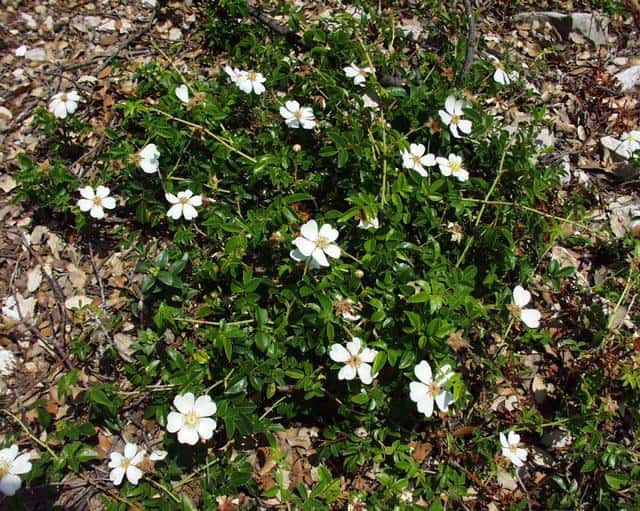
Evergreen Rose (Rosa sempervirens) is a medium-care plant from the Rosaceae family. Rosa sempervirens, commonly known as the evergreen rose, is a vigorous rambling rose native to the Mediterranean region, thriving across southern Europe and North Africa. It produces clusters of small, fragrant white to cream flowers in late spring and early summer, against a backdrop of glossy, sem...
Evergreen Rose grows up to 5.0m, spread of 300cm, watering every 7 days, -10°C – 38°C, 40–70% humidity. It is not suitable for indoor environments and safe for pets.
Unlike many popular species, Evergreen Rose is safe to keep around pets.
How to Care for Evergreen Rose?
TLDR: Evergreen Rose needs Bright indirect, watering every 7 days, and temperatures between -10-38°C with 40-70% humidity.
How Often Should You Water Evergreen Rose?
Water deeply every 7 days in dry conditions, allowing the soil to partially dry between waterings. Avoid wetting the foliage to reduce fungal disease risk. Reduce irrigation in winter.
How Much Light Does Evergreen Rose Need?
Requires full sun — at least 6 hours of direct sunlight daily. Insufficient light leads to poor flowering and increases susceptibility to fungal diseases.
What Is the Best Soil for Evergreen Rose?
Prefers fertile, well-draining loamy soil with a pH of 6.0–7.0. Amend planting holes with compost to improve drainage and nutrient availability.
What Pot Should You Use for Evergreen Rose?
Large terracotta or ceramic container with drainage holes, or direct garden planting.
Care Schedule
Fertilize
Every 14 days
Misting
Every 3 days
Rotate
Every 7 days
Repot
Every 365 days
What Is Evergreen Rose and Where Does It Come From?
Rosa sempervirens, commonly known as the evergreen rose, is a vigorous rambling rose native to the Mediterranean region, thriving across southern Europe and North Africa. It produces clusters of small, fragrant white to cream flowers in late spring and early summer, against a backdrop of glossy, semi-evergreen foliage that persists through mild winters. Widely cultivated as a climbing plant for walls, pergolas, and fences, it brings enduring charm and ecological value to gardens.
How Big Does Evergreen Rose Grow?
TLDR: Evergreen Rose can reach up to 5.0m tall with Fast growth rate.
Max height
5.0m
Spread
3.0m
Growth rate
Fast
Foliage
Semi-evergreen
Plant Uses
Ornamental
Great for decoration
Ground Cover
Soil coverage
Is your plant showing symptoms?
Click on the symptom to discover possible causes:
What Diseases Commonly Affect Evergreen Rose?
TLDR: Evergreen Rose is susceptible to 6 known diseases. Monitor regularly for early detection.
Black Spot
Black spot is the most serious fungal disease affecting roses, caused by the fungus Diplocarpon rosae. It is characterized by dark circular spots on leaves that progress to yellowing and premature leaf drop. The disease thrives in humid and cool conditions, especially early in the growing season.
Powdery Mildew
Powdery mildew is a common fungal disease caused by various fungi species including Erysiphe, Podosphaera, Oïdium, and Leveillula. It affects over 10,000 plant species worldwide. The disease thrives in warm, dry climates with high humidity and appears as a distinctive white powdery coating on plant surfaces.
Rust
Rust is a common fungal disease caused by fungi in the order Pucciniales that affects a wide variety of plants. The disease gets its name from the characteristic orange, yellow, or reddish-brown pustules that appear on leaves, resembling metal rust. This obligate fungal parasite requires living plants to survive and can cause significant economic losses in agricultural crops.
Aphids
Aphids are small, soft-bodied, pear-shaped insects (1/16 to 1/8 inch long) that feed by sucking nutrient-rich sap from plants. They reproduce rapidly and can quickly weaken plants, causing distorted growth and transmitting plant viruses. Aphids come in various colors including green, black, red, yellow, brown, and gray. They secrete honeydew, a sticky substance that attracts ants and encourages sooty mold growth.
Meaning & Symbolism
A symbol of love, beauty, and eternal devotion. In Mediterranean tradition, the evergreen rose represents undying affection and the enduring nature of true love.
Fun Facts
Rosa sempervirens was used by 19th-century hybridizers to develop many modern climbing rose varieties.
The name "sempervirens" is Latin for "always green," referring to its persistent foliage in mild climates.
It can reach heights of up to 5 metres when supported by a suitable structure such as a wall or pergola.
Frequently asked questions
How often should I water the evergreen rose?
Is the evergreen rose frost-hardy?
How do I prevent black spot?
Compare with similar plants
| Attribute | Difficulty | Light | Watering | Pet Safe |
|---|---|---|---|---|
| Dark Fieldcap | Medium | Low light | 2d | ⚠️ |
| Azalea | Medium | Partial shade | 3d | ⚠️ |
| Bougainvillea | Medium | Direct sun | 7d | ⚠️ |
| Wild Lettuce | Medium | Direct sun | 7d | ⚠️ |



