Asteraceae
Max Chrysanthemum: Complete Leucanthemum maximum Growing Guide
Leucanthemum maximum
Water weekly during dry spells, allowing the top inch of soil to dry out between waterings. Established plants are somewhat drought-tolerant but perform best with consistent moisture. Avoid waterlogging to prevent crown and root rot.
Every 7 days
Direct sun
-34° - 30°C
40% - 70%
Categories
What is Max Chrysanthemum?
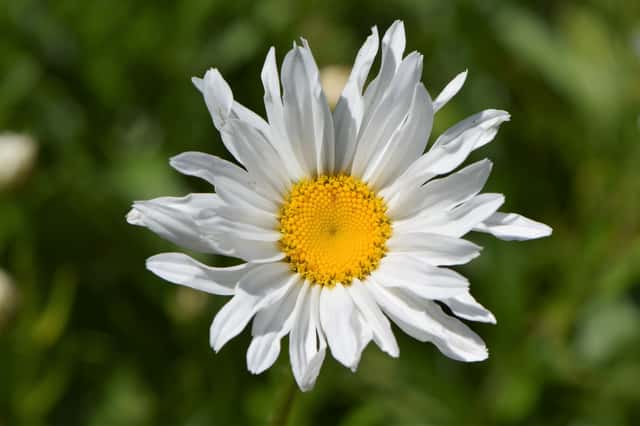
Max Chrysanthemum (Leucanthemum maximum) is a easy-care plant from the Asteraceae family. Leucanthemum maximum, commonly known as the max chrysanthemum or great daisy, is a herbaceous perennial in the Asteraceae family, native to the Pyrenees mountains of France and Spain. It produces classic white daisy-like flowers with bright white ray petals surrounding a golden-yellow disc center, b...
Max Chrysanthemum grows up to 90cm, spread of 60cm, watering every 7 days, -34°C – 30°C, 40–70% humidity. It is not suitable for indoor environments and safe for pets.
Unlike many tropical plants, Max Chrysanthemum tolerates watering mistakes. Best for beginners. Unlike many popular species, Max Chrysanthemum is safe to keep around pets.
How to Care for Max Chrysanthemum?
TLDR: Max Chrysanthemum needs Direct sun, watering every 7 days, and temperatures between -34-30°C with 40-70% humidity.
How Often Should You Water Max Chrysanthemum?
Water weekly, letting the top 2-3 cm of soil dry out between waterings. Avoid overwatering to prevent root rot.
How Much Light Does Max Chrysanthemum Need?
Plant in full sun with at least 6 hours of direct sunlight daily for best blooming. Tolerates light partial shade but may produce fewer flowers and become leggy.
What Is the Best Soil for Max Chrysanthemum?
Prefers well-draining loamy soil with a pH between 6.0 and 7.0. Amend heavy clay soils with compost and grit to improve drainage. Good drainage is essential, especially in winter.
What Pot Should You Use for Max Chrysanthemum?
Wide outdoor border or raised bed with excellent drainage. Suitable for large containers on patios; not recommended for indoor cultivation.
Care Schedule
Fertilize
Every 30 days
Misting
Every 3 days
Rotate
Every 7 days
Repot
Every 365 days
What Is Max Chrysanthemum and Where Does It Come From?
Leucanthemum maximum, commonly known as the max chrysanthemum or great daisy, is a herbaceous perennial in the Asteraceae family, native to the Pyrenees mountains of France and Spain. It produces classic white daisy-like flowers with bright white ray petals surrounding a golden-yellow disc center, blooming from late spring through summer. This species is one of the parent plants used by horticulturist Luther Burbank to create the beloved Shasta daisy hybrid. It is widely grown in cottage gardens, borders, and as a long-lasting cut flower.
How to Propagate Max Chrysanthemum?
Crown Division
Seed Sowing
How Big Does Max Chrysanthemum Grow?
TLDR: Max Chrysanthemum can reach up to 90cm tall with Medium growth rate.
Max height
90cm
Spread
60cm
Growth rate
Medium
Foliage
Deciduous
Plant Uses
Ornamental
Great for decoration
Is your plant showing symptoms?
Click on the symptom to discover possible causes:
What Diseases Commonly Affect Max Chrysanthemum?
TLDR: Max Chrysanthemum is susceptible to 14 known diseases. Monitor regularly for early detection.
Powdery Mildew
Powdery mildew is a common fungal disease caused by various fungi species including Erysiphe, Podosphaera, Oïdium, and Leveillula. It affects over 10,000 plant species worldwide. The disease thrives in warm, dry climates with high humidity and appears as a distinctive white powdery coating on plant surfaces.
Gray Mold (Botrytis Blight)
Gray mold, caused by the fungus Botrytis cinerea, is one of the most common fungal diseases in plants. It affects over 200 plant species, including ornamentals, vegetables, fruits, and houseplants. The disease thrives in cool, humid conditions with poor air circulation, causing grayish spots and soft rot on infected tissues.
Aphids
Aphids are small, soft-bodied, pear-shaped insects (1/16 to 1/8 inch long) that feed by sucking nutrient-rich sap from plants. They reproduce rapidly and can quickly weaken plants, causing distorted growth and transmitting plant viruses. Aphids come in various colors including green, black, red, yellow, brown, and gray. They secrete honeydew, a sticky substance that attracts ants and encourages sooty mold growth.
Slugs and Snails
Slugs and snails are mollusks that feed on plant tissue, causing irregular holes in leaves and damage to young seedlings. They are most active at night and in moist conditions, leaving characteristic silvery slime trails. These pests can quickly devastate gardens, especially during wet seasons.
Meaning & Symbolism
Symbolizes innocence, purity, loyal love, and new beginnings. The classic white daisy is culturally associated with simplicity, cheerfulness, and the childhood tradition of petal-counting "he loves me, he loves me not."
Fun Facts
Leucanthemum maximum is one of the original parent species used by Luther Burbank in 1884-1901 to create the Shasta daisy through 17 years of hybridization with L. vulgare, L. lacustre, and Nipponanthemum nipponicum.
The flowers are excellent for attracting pollinators including bees and butterflies, making this plant a great addition to wildlife-friendly gardens.
Deadheading spent blooms regularly can extend the flowering season significantly and encourages the plant to produce more flowers.
Frequently asked questions
When does Leucanthemum maximum bloom?
Is max chrysanthemum toxic to pets?
How often should I divide my plants?
Compare with similar plants
| Attribute | Difficulty | Light | Watering | Pet Safe |
|---|---|---|---|---|
| Field Maple | Easy | Bright indirect | 14d | ✓ |
| Silver Birch | Easy | Direct sun | 14d | ✓ |
| Cushion Bush | Easy | Direct sun | 14d | ✓ |
| Wild Lettuce | Medium | Direct sun | 7d | ⚠️ |
Choose & Compare
Sources & References
- Leucanthemum maximum: Complete care, characteristics, and cultivation guide
- Problems of Shasta Daisy: Yardener.com
- Shasta Daisy Care: How To Grow Leucanthemum Maximum
- Shasta Daisy Growing and Caring for Shasta Daisy Flowers
- Shasta Daisies: Planting, Growing and Care Guide
- How To Grow Leucanthemum maximum EarthOne





