Platanaceae
London Plane Tree: The Ultimate Guide to Platanus × hispanica
Platanus × hispanica
A robust outdoor tree thriving in full sun. Requires regular watering for the first 2-3 years until established; afterwards highly drought-tolerant. Needs fertile, well-drained soil. Fast-growing — can gain 60-90 cm per year. Periodic pruning or pollarding keeps size in check and rejuvenates foliage.
Every 14 days
Direct sun
-20° - 35°C
40% - 80%
Categories
What is London plane?
London plane (Platanus × hispanica) is a medium-care plant from the Platanaceae family. The London plane (Platanus × hispanica) is a large deciduous hybrid tree, a cross between the Oriental plane (P. orientalis) and the American sycamore (P. occidentalis). It is instantly recognizable by its distinctive bark that peels away in patches to reveal cream, olive, and grey mottled patterns...
London plane grows up to 35.0m, spread of 1000cm, watering every 14 days, -20°C – 35°C, 40–80% humidity. It is not suitable for indoor environments and safe for pets.
Unlike many popular species, London plane is safe to keep around pets.
How to Care for London plane?
TLDR: London plane needs Direct sun, watering every 14 days, and temperatures between -20-35°C with 40-80% humidity.
How Often Should You Water London plane?
Water deeply every 7-14 days during the first 2-3 years after planting. Once established, the tree is drought-tolerant and typically requires supplemental watering only during prolonged dry spells. Avoid waterlogging.
How Much Light Does London plane Need?
Plant in full sun with at least 6 hours of direct sunlight per day. Tolerates partial shade but growth will be slower. Exceptionally well-adapted to urban light conditions including reflected heat and air pollution.
What Is the Best Soil for London plane?
Prefers fertile, loamy, well-drained soils with pH 6.0-7.5. Tolerates clay, chalk, sand, and compacted urban soils. Avoid permanently waterlogged conditions.
Care Schedule
Fertilize
Every 90 days
What Is London plane and Where Does It Come From?
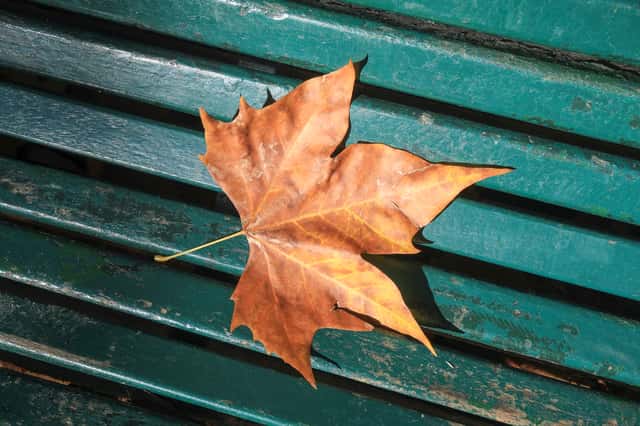
The London plane (Platanus × hispanica) is a large deciduous hybrid tree, a cross between the Oriental plane (P. orientalis) and the American sycamore (P. occidentalis). It is instantly recognizable by its distinctive bark that peels away in patches to reveal cream, olive, and grey mottled patterns beneath, and by its large maple-like leaves. One of the most widely planted urban trees in the world, it is prized for its exceptional tolerance of air pollution, compacted soils, and drought once established.
How to Propagate London plane?
Hardwood cutting
Use rooting hormone to improve success rate. Keep cuttings cool but frost-free over winter. Transplant to final position the following autumn.
- 1 Take 20-25 cm cuttings from the current year's growth in mid-winter
- 2 Remove all leaves, retaining 2-3 nodes per cutting
- 3 Dip the base in rooting hormone powder
- 4 Insert into well-draining sandy compost mix
- 5 Keep slightly moist in a sheltered, frost-free location until spring
Materials needed:
How Big Does London plane Grow?
TLDR: London plane can reach up to 35.0m tall with Fast growth rate.
Max height
35.0m
Spread
10.0m
Growth rate
Fast
Foliage
Deciduous
Plant Uses
Ornamental
Great for decoration
Air Purifying
Improves air quality
Is your plant showing symptoms?
Click on the symptom to discover possible causes:
What Diseases Commonly Affect London plane?
TLDR: London plane is susceptible to 5 known diseases. Monitor regularly for early detection.
Anthracnose
Anthracnose is a fungal disease caused by fungi in the genus Colletotrichum that affects many plants, including vegetables, fruits, and trees. The disease thrives in cool, wet conditions, causing dark, sunken lesions on leaves, stems, flowers, and fruits.
Powdery Mildew
Powdery mildew is a common fungal disease caused by various fungi species including Erysiphe, Podosphaera, Oïdium, and Leveillula. It affects over 10,000 plant species worldwide. The disease thrives in warm, dry climates with high humidity and appears as a distinctive white powdery coating on plant surfaces.
Canker
Canker is a disease caused by various fungi and bacteria that create necrotic, sunken areas on bark of branches, stems, and trunks. Pathogens enter through wounds and natural openings, especially when plants are stressed. Canker can gradually weaken or kill branches by disrupting water and nutrient flow.
Leafminers
Leafminers are the larvae of various insects including flies, moths, sawflies, and beetles that tunnel between leaf surfaces, creating distinctive serpentine trails or blotchy patches. While primarily cosmetic, severe infestations can weaken plants by reducing photosynthesis capacity and making them susceptible to secondary infections.
Meaning & Symbolism
The London plane symbolizes longevity, urban resilience, and enduring beauty. Famous for growing more graceful and majestic with age, it is a living landmark in many of the world's great cities.
Fun Facts
The London plane can live for over 500 years — some European specimens are thought to be among the oldest surviving examples of the hybrid
Two-thirds of all street trees in London in 1920 were London planes, making it the defining tree of the city
Its bark-shedding mechanism is believed to help it eliminate accumulated air pollutants, making it uniquely adapted to city life
The hybrid likely originated spontaneously in 17th-century England, possibly at the Oxford Botanic Garden
Frequently asked questions
How fast does a London plane tree grow?
Is the London plane suitable for a small garden?
How often should I water a London plane tree?
Is the London plane toxic to pets?
Why does the London plane shed its bark?
Compare with similar plants
| Attribute | Difficulty | Light | Watering | Pet Safe |
|---|---|---|---|---|
| Dark Fieldcap | Medium | Low light | 2d | ⚠️ |
| Azalea | Medium | Partial shade | 3d | ⚠️ |
| Bougainvillea | Medium | Direct sun | 7d | ⚠️ |
| Wild Lettuce | Medium | Direct sun | 7d | ⚠️ |



