Araceae
Dragon Tail Plant (Epipremnum pinnatum): The Complete Indoor Care Guide
Epipremnum pinnatum
Dragon Tail Plant is beginner-friendly and highly adaptable. Provide bright indirect light and allow the top few centimetres of soil to dry between waterings. High humidity (50-70%) encourages faster growth and larger leaves. It thrives when given a moss pole or trellis to climb.
Every 7 days
Partial shade
15° - 27°C
50% - 70%
Categories
What is Dragon Tail Plant?
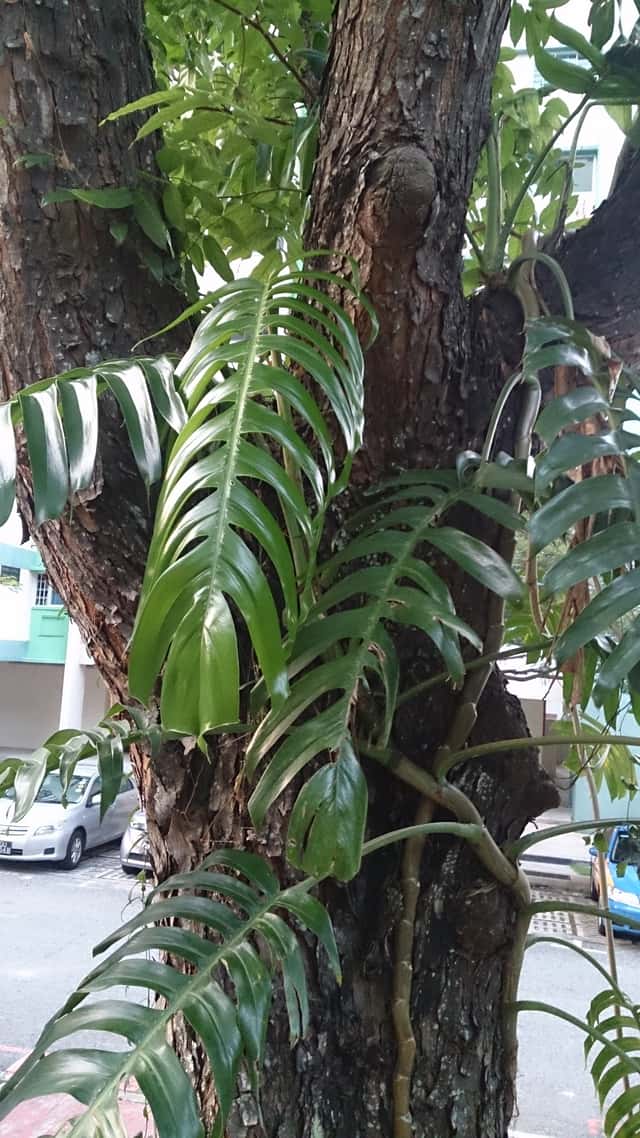
Dragon Tail Plant (Epipremnum pinnatum) is a easy-care plant from the Araceae family. Epipremnum pinnatum is a vigorous climbing aroid native to Southeast Asia and the Pacific Islands. It is celebrated for its dramatic leaf dimorphism: juvenile leaves are small and entire, while mature leaves become large, glossy, and deeply pinnately split. Related to but distinct from E. aureum (go...
Dragon Tail Plant grows up to 6.0m, spread of 120cm, watering every 7 days, 15°C – 27°C, 50–70% humidity. It is suitable for indoor environments and not safe for pets.
Unlike many tropical plants, Dragon Tail Plant tolerates watering mistakes. Best for beginners. Without precautions, ingestion can cause irritation in pets. Keep out of reach of cats and dogs. Without adequate drainage, root rot can develop within 14 days.
How to Care for Dragon Tail Plant?
TLDR: Dragon Tail Plant needs Partial shade, watering every 7 days, and temperatures between 15-27°C with 50-70% humidity.
How Often Should You Water Dragon Tail Plant?
Water every 7 days in summer and every 10-14 days in winter. Always check that the top 3-4 cm of soil are dry before watering. Overwatering is the primary cause of root rot.
How Much Light Does Dragon Tail Plant Need?
Place in bright, indirect light for best growth and leaf development. It tolerates medium light but fenestrated leaves are less likely without good light. Avoid prolonged direct midday sun.
What Is the Best Soil for Dragon Tail Plant?
Use a well-draining, lightweight mix: equal parts coco coir and perlite, or a quality aroid mix. A slightly acidic pH of 6.0-6.5 is ideal.
What Pot Should You Use for Dragon Tail Plant?
A hanging basket, wide nursery pot, or planter with a moss pole works well. Choose a pot with drainage holes. Terracotta aids soil drying; plastic or ceramic retains more moisture.
Care Schedule
Fertilize
Every 30 days
Misting
Every 7 days
Rotate
Every 7 days
Repot
Every 730 days
What Is Dragon Tail Plant and Where Does It Come From?
Epipremnum pinnatum is a vigorous climbing aroid native to Southeast Asia and the Pacific Islands. It is celebrated for its dramatic leaf dimorphism: juvenile leaves are small and entire, while mature leaves become large, glossy, and deeply pinnately split. Related to but distinct from E. aureum (golden pothos), it is a fast-growing, adaptable houseplant and robust outdoor vine in tropical climates.
How to Propagate Dragon Tail Plant?
Stem Cutting
Use clean, sharp scissors. Keep cuttings warm above 18C for faster rooting.
- 1 Cut a healthy stem 10-15 cm long with at least one node and 1-2 leaves
- 2 Remove the lower leaves to expose the node
- 3 Place the cutting in a glass of room-temperature water with the node submerged
- 4 Change water every 5-7 days
- 5 Once roots reach 2-3 cm, pot in moist aroid mix
Materials needed:
Air Layering
Keep the moss moist throughout. Best for larger specimens.
- 1 Select a healthy stem section with at least one node
- 2 Make a small wound at the node
- 3 Pack moist sphagnum moss around the wound
- 4 Wrap tightly with plastic film and secure at both ends
- 5 Wait for roots to develop through the moss, then cut and pot
Materials needed:
How Big Does Dragon Tail Plant Grow?
TLDR: Dragon Tail Plant can reach up to 6.0m tall with Fast growth rate.
Max height
6.0m
Spread
1.2m
Growth rate
Fast
Foliage
Evergreen
Warning: Toxic Plant
This plant can be toxic if ingested. Keep out of reach of:
Plant Uses
Ornamental
Great for decoration
Air Purifying
Improves air quality
Medicinal Uses
- Traditional use in Chinese medicine for injuries, abscesses, and rheumatic conditions
Is your plant showing symptoms?
Click on the symptom to discover possible causes:
What Diseases Commonly Affect Dragon Tail Plant?
TLDR: Dragon Tail Plant is susceptible to 10 known diseases. Monitor regularly for early detection.
Root Rot
Root rot is a serious fungal disease that affects the root system of plants, causing them to decay and die. It is primarily caused by overwatering, poor drainage, or soil-borne fungi such as Pythium, Phytophthora, Rhizoctonia, and Fusarium. The disease thrives in waterlogged conditions where roots are deprived of oxygen, making them susceptible to fungal infection.
Overwatering
Overwatering occurs when plants receive too much water, depriving roots of oxygen and causing root rot. This environmental stress is one of the most common causes of houseplant death, as waterlogged soil prevents roots from breathing and functioning properly.
Leaf Spot
Leaf spot is a common fungal disease caused by various pathogens including Alternaria, Ascochyta, Colletotrichum, Septoria, and Venturia. It primarily affects leaves, causing discolored spots that can lead to premature leaf drop if left untreated.
Powdery Mildew
Powdery mildew is a common fungal disease caused by various fungi species including Erysiphe, Podosphaera, Oïdium, and Leveillula. It affects over 10,000 plant species worldwide. The disease thrives in warm, dry climates with high humidity and appears as a distinctive white powdery coating on plant surfaces.
Meaning & Symbolism
The Dragon Tail Plant symbolises resilience and transformation, reflecting its dramatic metamorphosis from small-leaved juvenile to deeply pinnate adult foliage.
Fun Facts
It can absorb so much nicotine from indoor air that its leaves accumulate concentrations roughly three times higher than a tobacco plant.
In the wild, E. pinnatum can climb up to 20 metres up rainforest trees where its leaves expand to 50 cm or more.
Juvenile and adult leaves look so different that early botanists classified them as separate species.
It has documented traditional medicinal use in Chinese medicine, prescribed for injuries and rheumatic conditions.
Frequently asked questions
How often should I water Epipremnum pinnatum?
Is Epipremnum pinnatum toxic to cats and dogs?
Why are my Dragon Tail Plant leaves not splitting?
How do I propagate Epipremnum pinnatum?
What is the difference between Epipremnum pinnatum and Epipremnum aureum?
Compare with similar plants
| Attribute | Difficulty | Light | Watering | Pet Safe |
|---|---|---|---|---|
| Field Maple | Easy | Bright indirect | 14d | ✓ |
| Silver Birch | Easy | Direct sun | 14d | ✓ |
| Cushion Bush | Easy | Direct sun | 14d | ✓ |
| Peruvian peppertree | Easy | Direct sun | 14d | ⚠️ |