Ericaceae
Strawberry Tree - Arbutus unedo
Arbutus unedo
A hardy, low-maintenance plant ideal for Mediterranean-style gardens. Prefers full sun, well-drained soil, and moderate watering; quite drought tolerant once established.
Every 10 days
Bright indirect
-16° - 35°C
30% - 60%
Categories
What is Strawberry Tree?
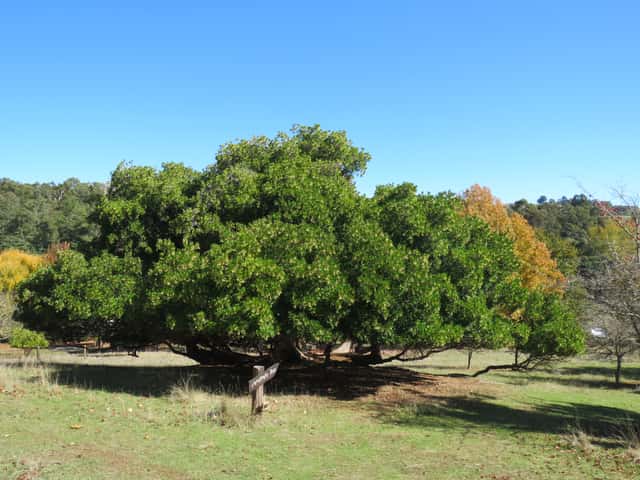
Strawberry Tree (Arbutus unedo) is a medium-care plant from the Ericaceae family. The strawberry tree (Arbutus unedo) is an evergreen shrub or small tree in the Ericaceae family, native to the Mediterranean region and western Europe. It is known for its white urn-shaped flowers and red strawberry-like fruit, which ripen in autumn and winter alongside the new flowering.
Strawberry Tree grows up to 8.0m, spread of 500cm, watering every 10 days, -16°C – 35°C, 30–60% humidity. It is not suitable for indoor environments and safe for pets.
Unlike many popular species, Strawberry Tree is safe to keep around pets.
How to Care for Strawberry Tree?
TLDR: Strawberry Tree needs Bright indirect, watering every 10 days, and temperatures between -16-35°C with 30-60% humidity.
How Often Should You Water Strawberry Tree?
Water regularly during the first year after planting; afterward reduce frequency, letting soil dry between waterings. Avoid waterlogging.
How Much Light Does Strawberry Tree Need?
Prefers full sun but tolerates partial shade. More light generally means better flowering and fruiting.
What Is the Best Soil for Strawberry Tree?
Well-drained soil, from sandy to rocky; tolerates poor soils and is more lime-tolerant than most of the genus.
What Pot Should You Use for Strawberry Tree?
Large terracotta or clay pot with good drainage, suited to Mediterranean plants
Care Schedule
Fertilize
Every 60 days
What Is Strawberry Tree and Where Does It Come From?
The strawberry tree (Arbutus unedo) is an evergreen shrub or small tree in the Ericaceae family, native to the Mediterranean region and western Europe. It is known for its white urn-shaped flowers and red strawberry-like fruit, which ripen in autumn and winter alongside the new flowering.
How to Propagate Strawberry Tree?
Seed sowing
Germination can be slow and uneven; be patient and keep substrate consistently moist but not waterlogged.
- 1 Extract seeds from ripe fruit and wash off the pulp
- 2 Cold-stratify for 4-6 weeks in the refrigerator
- 3 Sow in well-drained substrate and keep moist
- 4 Keep in indirect light until germination
Materials needed:
Semi-hardwood cutting
Success rate is low; use rooting hormone and bottom heat if possible.
- 1 Take 10-15 cm semi-hardwood cuttings in summer
- 2 Apply rooting hormone to the base
- 3 Plant in well-drained sandy substrate
- 4 Keep in a humid, sheltered environment until rooted
Materials needed:
How Big Does Strawberry Tree Grow?
TLDR: Strawberry Tree can reach up to 8.0m tall with Medium growth rate.
Max height
8.0m
Spread
5.0m
Growth rate
Medium
Foliage
Evergreen
Plant Uses
Ornamental
Great for decoration
Edible
Can be consumed
Culinary Uses
- Fruit used in jams, liqueurs, and marmalades
Is your plant showing symptoms?
Click on the symptom to discover possible causes:
What Diseases Commonly Affect Strawberry Tree?
TLDR: Strawberry Tree is susceptible to 9 known diseases. Monitor regularly for early detection.
Leaf Spot
Leaf spot is a common fungal disease caused by various pathogens including Alternaria, Ascochyta, Colletotrichum, Septoria, and Venturia. It primarily affects leaves, causing discolored spots that can lead to premature leaf drop if left untreated.
Anthracnose
Anthracnose is a fungal disease caused by fungi in the genus Colletotrichum that affects many plants, including vegetables, fruits, and trees. The disease thrives in cool, wet conditions, causing dark, sunken lesions on leaves, stems, flowers, and fruits.
Rust
Rust is a common fungal disease caused by fungi in the order Pucciniales that affects a wide variety of plants. The disease gets its name from the characteristic orange, yellow, or reddish-brown pustules that appear on leaves, resembling metal rust. This obligate fungal parasite requires living plants to survive and can cause significant economic losses in agricultural crops.
Aphids
Aphids are small, soft-bodied, pear-shaped insects (1/16 to 1/8 inch long) that feed by sucking nutrient-rich sap from plants. They reproduce rapidly and can quickly weaken plants, causing distorted growth and transmitting plant viruses. Aphids come in various colors including green, black, red, yellow, brown, and gray. They secrete honeydew, a sticky substance that attracts ants and encourages sooty mold growth.
Meaning & Symbolism
Symbol of longevity, resilience and protection; featured on the coat of arms of Madrid alongside the bear.
Fun Facts
The fruit is used to make traditional Portuguese "medronho" brandy
The tree gives its name to the bear on Madrid coat of arms, shown eating its fruit
Can live more than 200 years in favorable natural conditions
Frequently asked questions
Is the strawberry tree toxic to pets?
How long does it take for the strawberry tree to flower and fruit?
Does the strawberry tree tolerate lime in the soil?
Compare with similar plants
| Attribute | Difficulty | Light | Watering | Pet Safe |
|---|---|---|---|---|
| Dark Fieldcap | Medium | Low light | 2d | ⚠️ |
| Azalea | Medium | Partial shade | 3d | ⚠️ |
| Bougainvillea | Medium | Direct sun | 7d | ⚠️ |
| Wild Lettuce | Medium | Direct sun | 7d | ⚠️ |



