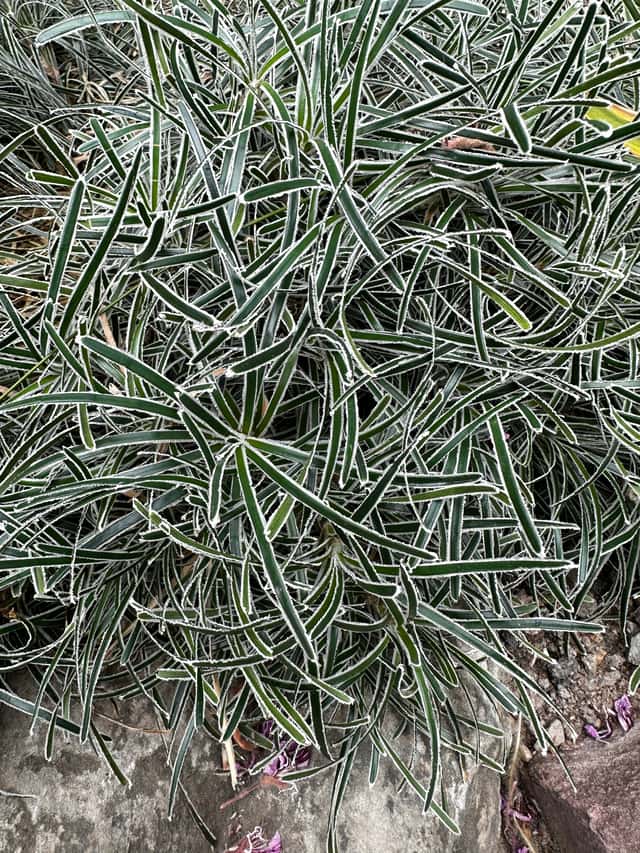
Cyperaceae
Sedge: Ground Cover Plant
Ficinia
Easy-care sedges that thrive in full sun to light shade with well-draining, gritty soil. Water moderately, letting the topsoil dry between waterings, and avoid waterlogging, especially in winter. Tolerant of poor, sandy soils and coastal conditions once established.
Every 7 days
Bright indirect
-10° - 35°C
35% - 65%
Categories
What is Sedge?
Sedge (Ficinia) is a easy-care plant from the Cyperaceae family. Ficinia is a genus of some 70-90 tufted, evergreen sedges (family Cyperaceae), the great majority endemic to South Africa's Cape Floristic Region, with a few species reaching New Zealand and Australia. Ornamental cultivars, most famously Ficinia truncata 'Ice Crystal', form neat clumps of narrow, gr...
Sedge grows up to 40cm, spread of 40cm, watering every 7 days, -10°C – 35°C, 35–65% humidity. It is suitable for indoor environments and safe for pets.
Unlike many tropical plants, Sedge tolerates watering mistakes. Best for beginners. Unlike many popular species, Sedge is safe to keep around pets. Without adequate drainage, root rot can develop within 14 days.
How to Care for Sedge?
TLDR: Sedge needs Bright indirect, watering every 7 days, and temperatures between -10-35°C with 35-65% humidity.
How Often Should You Water Sedge?
Water regularly during the growing season, allowing the soil surface to dry out between waterings; reduce watering in winter and never let pots sit in standing water, as Ficinia are prone to root rot in soggy soil.
How Much Light Does Sedge Need?
Give full sun to light, dappled shade; indoors provide the brightest spot available, such as a south- or west-facing window.
What Is the Best Soil for Sedge?
Use a gritty, fast-draining mix (sandy or loam-based) with a neutral to slightly alkaline pH; good drainage is more important than fertility.
What Pot Should You Use for Sedge?
Terracotta or other unglazed, breathable pots with generous drainage holes suit Ficinia best, helping excess moisture escape and preventing root rot.
Care Schedule
Repot
Every 365 days
What Is Sedge and Where Does It Come From?
Ficinia is a genus of some 70-90 tufted, evergreen sedges (family Cyperaceae), the great majority endemic to South Africa's Cape Floristic Region, with a few species reaching New Zealand and Australia. Ornamental cultivars, most famously Ficinia truncata 'Ice Crystal', form neat clumps of narrow, grass-like foliage and are prized as low-maintenance border, container or rockery plants. This is a genus-level care profile; individual species vary in size, colour and exact habitat.
How to Propagate Sedge?
Clump division
Divide every 1-2 years to keep clumps vigorous and prevent overcrowding; use a clean, sharp knife or spade for cutting.
- 1 Lift the whole clump out of its pot or bed in early spring
- 2 Gently tease or cut the root mass into sections, each with several shoots and healthy roots
- 3 Replant divisions promptly in well-draining soil at the same depth as before
- 4 Water well until new growth appears
Materials needed:
Seed sowing
Germination can be slow and uneven; fresh seed gives the best results.
- 1 Sow fresh seed on the surface of a sandy, well-draining seed mix
- 2 Keep lightly moist and in bright, indirect light
- 3 Thin seedlings once large enough to handle
- 4 Transplant into individual pots once established
Materials needed:
How Big Does Sedge Grow?
TLDR: Sedge can reach up to 40cm tall with Medium growth rate.
Max height
40cm
Spread
40cm
Growth rate
Medium
Foliage
Evergreen
Plant Uses
Ornamental
Great for decoration
Ground Cover
Soil coverage
Is your plant showing symptoms?
Click on the symptom to discover possible causes:
What Diseases Commonly Affect Sedge?
TLDR: Sedge is susceptible to 4 known diseases. Monitor regularly for early detection.
Root Rot
Root rot is a serious fungal disease that affects the root system of plants, causing them to decay and die. It is primarily caused by overwatering, poor drainage, or soil-borne fungi such as Pythium, Phytophthora, Rhizoctonia, and Fusarium. The disease thrives in waterlogged conditions where roots are deprived of oxygen, making them susceptible to fungal infection.
Rust
Rust is a common fungal disease caused by fungi in the order Pucciniales that affects a wide variety of plants. The disease gets its name from the characteristic orange, yellow, or reddish-brown pustules that appear on leaves, resembling metal rust. This obligate fungal parasite requires living plants to survive and can cause significant economic losses in agricultural crops.
Mealybugs
Mealybugs are small, soft-bodied insects covered with a white, waxy, cottony material. They are common pests of houseplants and outdoor plants in mild climates. These sap-sucking insects feed on plant tissue, causing damage, stunted growth, and can lead to plant death if left untreated. They produce sticky honeydew which attracts sooty mold.
Leaf Spot
Leaf spot is a common fungal disease caused by various pathogens including Alternaria, Ascochyta, Colletotrichum, Septoria, and Venturia. It primarily affects leaves, causing discolored spots that can lead to premature leaf drop if left untreated.
Meaning & Symbolism
As Cape fynbos natives that endure poor soil, wind and drought, Ficinia sedges are often associated with resilience, adaptability and quiet, understated beauty.
Compare with similar plants
| Attribute | Difficulty | Light | Watering | Pet Safe |
|---|---|---|---|---|
| Field Maple | Easy | Bright indirect | 14d | ✓ |
| Silver Birch | Easy | Direct sun | 14d | ✓ |
| Cushion Bush | Easy | Direct sun | 14d | ✓ |
| Peruvian peppertree | Easy | Direct sun | 14d | ⚠️ |





