Marantaceae
Medallion Calathea: Pet-Safe Plant
Goeppertia veitchiana
Keep in bright, indirect light, away from direct sun. Water when the topsoil is slightly dry, always using filtered or rainwater. Maintain humidity above 50% and avoid cold drafts.
Every 7 days
Partial shade
18° - 27°C
50% - 80%
Categories
What is Medallion Calathea?
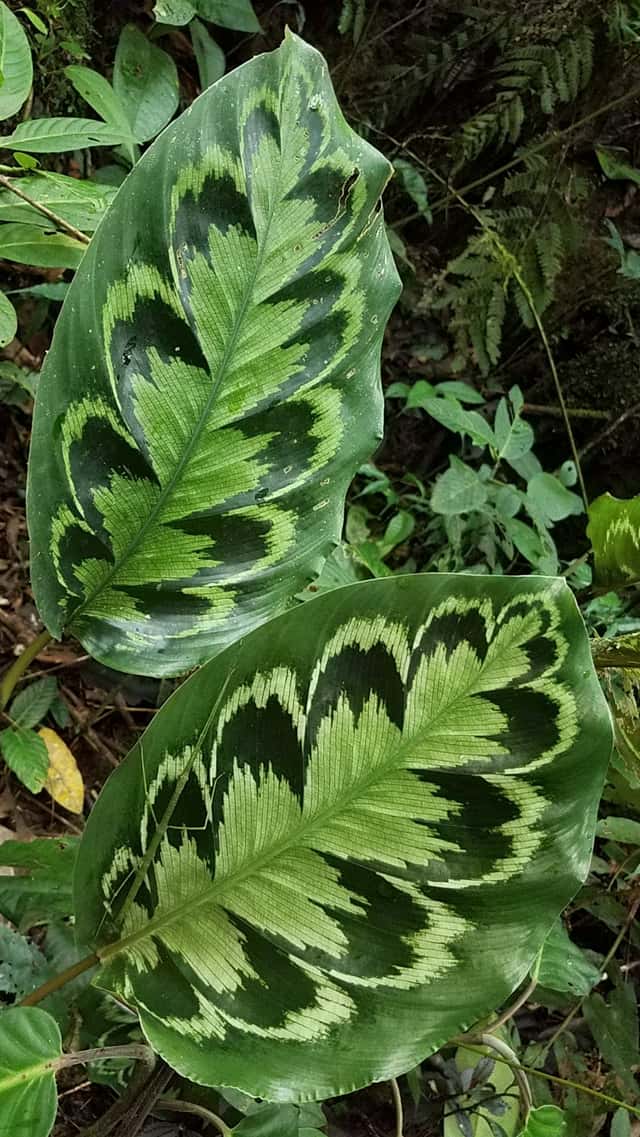
Medallion Calathea (Goeppertia veitchiana) is a medium-care plant from the Marantaceae family. Goeppertia veitchiana, popularly known as Medallion Calathea, is a tropical plant native to the rainforests of Ecuador. Its leaves are true works of art: large, rounded, and adorned with patterns in shades of dark and light green, with a wine-red underside. Like other prayer plants in the Marantacea...
Medallion Calathea grows up to 60cm, spread of 60cm, watering every 7 days, 18°C – 27°C, 50–80% humidity. It is suitable for indoor environments and safe for pets.
Unlike many popular species, Medallion Calathea is safe to keep around pets. Without adequate drainage, root rot can develop within 14 days.
How to Care for Medallion Calathea?
TLDR: Medallion Calathea needs Partial shade, watering every 7 days, and temperatures between 18-27°C with 50-80% humidity.
How Often Should You Water Medallion Calathea?
Water every 7 days using the soak and dry method. Use only filtered, distilled, or rainwater — Medallion Calathea is extremely sensitive to chlorine and fluoride in tap water, which causes spots and burns on leaf tips.
How Much Light Does Medallion Calathea Need?
Prefers bright to medium indirect light. Place near a north or east-facing window. Direct sun burns the leaves and fades the patterns. In low-light conditions, growth slows down.
What Is the Best Soil for Medallion Calathea?
Use a well-draining substrate rich in organic matter: mix potting soil with perlite and pine bark. The ideal pH is between 6.0 and 6.5. Avoid substrates that retain too much water to prevent root rot.
What Pot Should You Use for Medallion Calathea?
Ceramic or terracotta pots are ideal as they allow for soil gas exchange. Choose a pot with drainage holes and a diameter only slightly larger than the plant's root ball.
Care Schedule
Fertilize
Every 30 days
Misting
Every 2 days
Repot
Every 365 days
What Is Medallion Calathea and Where Does It Come From?
Goeppertia veitchiana, popularly known as Medallion Calathea, is a tropical plant native to the rainforests of Ecuador. Its leaves are true works of art: large, rounded, and adorned with patterns in shades of dark and light green, with a wine-red underside. Like other prayer plants in the Marantaceae family, it moves its leaves throughout the day in response to light.
How to Propagate Medallion Calathea?
Rhizome division
Perform division during repotting in spring. Keep the substrate slightly moist and increase ambient humidity to facilitate rooting.
- 1 Carefully remove the plant from its pot and shake off excess soil
- 2 Identify healthy rhizomes with at least 2-3 leaves each
- 3 Separate the rhizomes with your hands or a clean, sharp knife
- 4 Plant each division in an individual pot with moist, well-draining substrate
- 5 Keep in a warm, humid place with indirect light until established
Materials needed:
How Big Does Medallion Calathea Grow?
TLDR: Medallion Calathea can reach up to 60cm tall with Slow growth rate.
Max height
60cm
Spread
60cm
Growth rate
Slow
Foliage
Evergreen
Plant Uses
Ornamental
Great for decoration
Is your plant showing symptoms?
Click on the symptom to discover possible causes:
What Diseases Commonly Affect Medallion Calathea?
TLDR: Medallion Calathea is susceptible to 8 known diseases. Monitor regularly for early detection.
Root Rot
Root rot is a serious fungal disease that affects the root system of plants, causing them to decay and die. It is primarily caused by overwatering, poor drainage, or soil-borne fungi such as Pythium, Phytophthora, Rhizoctonia, and Fusarium. The disease thrives in waterlogged conditions where roots are deprived of oxygen, making them susceptible to fungal infection.
Spider Mites
Spider mites are tiny arachnids (less than 1/20 inch long) related to spiders and ticks that feed on plant sap. They thrive in hot, dry conditions and can cause significant damage to ornamental and vegetable plants. During severe infestations, crop losses can reach 14% or higher as these pests disrupt vital plant processes including photosynthesis, carbon dioxide absorption, and transpiration.
Overwatering
Overwatering occurs when plants receive too much water, depriving roots of oxygen and causing root rot. This environmental stress is one of the most common causes of houseplant death, as waterlogged soil prevents roots from breathing and functioning properly.
Mealybugs
Mealybugs are small, soft-bodied insects covered with a white, waxy, cottony material. They are common pests of houseplants and outdoor plants in mild climates. These sap-sucking insects feed on plant tissue, causing damage, stunted growth, and can lead to plant death if left untreated. They produce sticky honeydew which attracts sooty mold.
Meaning & Symbolism
Symbol of inner transformation and hidden beauty. The movement of its leaves throughout the day represents adaptation and harmony with natural rhythms.
Compare with similar plants
| Attribute | Difficulty | Light | Watering | Pet Safe |
|---|---|---|---|---|
| Dark Fieldcap | Medium | Low light | 2d | ⚠️ |
| Azalea | Medium | Partial shade | 3d | ⚠️ |
| Bougainvillea | Medium | Direct sun | 7d | ⚠️ |
| Wild Lettuce | Medium | Direct sun | 7d | ⚠️ |



