Cactaceae
Blue Candle Cactus – Myrtillocactus geometrizans
Myrtillocactus geometrizans
A highly drought-tolerant cactus ideal for sunny, dry environments. Water sparingly, use fast-draining soil, and provide full sun for mature plants. Largely pest- and disease-free when not overwatered.
Every 14 days
Direct sun
-4° - 38°C
10% - 30%
Categories
What is Blue Candle Cactus?
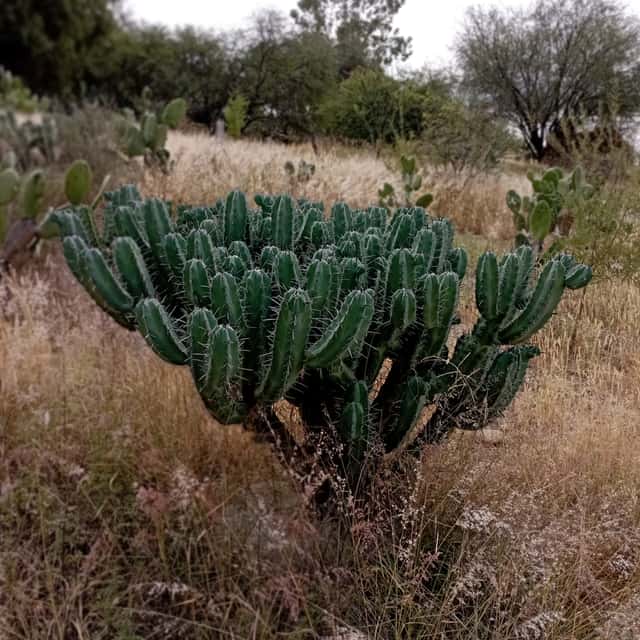
Blue Candle Cactus (Myrtillocactus geometrizans) is a easy-care plant from the Cactaceae family. Myrtillocactus geometrizans, commonly known as the Blue Candle Cactus, is a striking columnar cactus native to central and northern Mexico. Its branching stems display a distinctive blue-green hue that intensifies with sun exposure, and the plant can reach heights of up to 5 meters in its native hab...
Blue Candle Cactus grows up to 5.0m, spread of 300cm, watering every 14 days, -4°C – 38°C, 10–30% humidity. It is suitable for indoor environments and safe for pets.
Unlike many tropical plants, Blue Candle Cactus tolerates watering mistakes. Best for beginners. Unlike many popular species, Blue Candle Cactus is safe to keep around pets. Without adequate drainage, root rot can develop within 28 days.
How to Care for Blue Candle Cactus?
TLDR: Blue Candle Cactus needs Direct sun, watering every 14 days, and temperatures between -4-38°C with 10-30% humidity.
How Often Should You Water Blue Candle Cactus?
Water only when the soil has dried out completely — roughly every 10–14 days in summer. In winter, reduce watering to near zero. Overwatering is the number one cause of death for this cactus.
How Much Light Does Blue Candle Cactus Need?
Mature plants require full sun, at least 5–6 hours of direct sunlight daily. Young seedlings benefit from partial shade to prevent sunburn. Indoors, place in a south-facing window.
What Is the Best Soil for Blue Candle Cactus?
Use a well-draining cactus mix. Amend with coarse sand or fine pumice (up to 50%) to improve drainage. Ideal pH is 6.0–7.5. Avoid clay-heavy or compacted soils at all costs.
What Pot Should You Use for Blue Candle Cactus?
Terracotta or unglazed ceramic pots are ideal, as they allow excess moisture to evaporate through the walls. Always ensure the pot has a drainage hole.
Care Schedule
Fertilize
Every 30 days
Repot
Every 730 days
What Is Blue Candle Cactus and Where Does It Come From?
Myrtillocactus geometrizans, commonly known as the Blue Candle Cactus, is a striking columnar cactus native to central and northern Mexico. Its branching stems display a distinctive blue-green hue that intensifies with sun exposure, and the plant can reach heights of up to 5 meters in its native habitat. It produces small, edible berries called garambullos, similar in appearance to blueberries and long used by indigenous Mexican communities. It is widely cultivated as an ornamental specimen in dry gardens and as a grafting rootstock.
How to Propagate Blue Candle Cactus?
Stem Cutting
Always use a sterilized blade to prevent bacterial infection. Do not water until the soil is completely dry after planting.
- 1 Cut a healthy stem segment of at least 15 cm using a sterile knife
- 2 Allow the cut end to dry and callous for 2–3 weeks in a dry, shaded spot
- 3 Plant in dry cactus mix and wait 2–3 weeks before first watering
Materials needed:
Seeds
Seeds germinate quickly at 20–28°C. Remove cover gradually once seedlings emerge.
- 1 Sow seeds in slightly moist cactus mix
- 2 Cover with plastic wrap or a glass lid to retain humidity
- 3 Keep in a warm spot with indirect light until germination
Materials needed:
How Big Does Blue Candle Cactus Grow?
TLDR: Blue Candle Cactus can reach up to 5.0m tall with Medium growth rate.
Max height
5.0m
Spread
3.0m
Growth rate
Medium
Foliage
Evergreen
Plant Uses
Ornamental
Great for decoration
Edible
Can be consumed
Culinary Uses
- The edible garambullo berries are used in Mexico to make jams, juices, and traditional liqueurs
- The flowers and fruit attract birds, butterflies, and bees, making it valuable in wildlife gardens
Is your plant showing symptoms?
Click on the symptom to discover possible causes:
What Diseases Commonly Affect Blue Candle Cactus?
TLDR: Blue Candle Cactus is susceptible to 6 known diseases. Monitor regularly for early detection.
Root Rot
Root rot is a serious fungal disease that affects the root system of plants, causing them to decay and die. It is primarily caused by overwatering, poor drainage, or soil-borne fungi such as Pythium, Phytophthora, Rhizoctonia, and Fusarium. The disease thrives in waterlogged conditions where roots are deprived of oxygen, making them susceptible to fungal infection.
Overwatering
Overwatering occurs when plants receive too much water, depriving roots of oxygen and causing root rot. This environmental stress is one of the most common causes of houseplant death, as waterlogged soil prevents roots from breathing and functioning properly.
Scale Insects
Scale insects are small sap-sucking pests that appear as brown, shell-like bumps on plant stems and leaves. There are over 25 species, divided into armored (hard) and unarmored (soft) scales. They feed by piercing plant tissue and extracting sap, which weakens the plant and can lead to yellowing, stunted growth, and even death if left untreated. They also excrete honeydew, which attracts ants and promotes sooty mold growth.
Spider Mites
Spider mites are tiny arachnids (less than 1/20 inch long) related to spiders and ticks that feed on plant sap. They thrive in hot, dry conditions and can cause significant damage to ornamental and vegetable plants. During severe infestations, crop losses can reach 14% or higher as these pests disrupt vital plant processes including photosynthesis, carbon dioxide absorption, and transpiration.
Meaning & Symbolism
In Mexico, the garambullo fruit has sustained indigenous communities for centuries, symbolizing resilience and abundance in the harsh arid landscapes of central Mexico.
Fun Facts
In its native Mexico, it forms dense forests covering thousands of square kilometers
Its edible berries (garambullos) have been eaten by indigenous peoples for centuries and are used in jams, juices, and spirits
It is one of the most popular grafting rootstocks in cactus cultivation worldwide
The blue-green color of its stems deepens with increased direct sun exposure
Frequently asked questions
How often should I water a Blue Candle Cactus?
Does the Blue Candle Cactus need full sun?
Is Myrtillocactus geometrizans toxic to pets?
Can I grow the Blue Candle Cactus indoors?
Compare with similar plants
| Attribute | Difficulty | Light | Watering | Pet Safe |
|---|---|---|---|---|
| Field Maple | Easy | Bright indirect | 14d | ✓ |
| Silver Birch | Easy | Direct sun | 14d | ✓ |
| Cushion Bush | Easy | Direct sun | 14d | ✓ |
| Peruvian peppertree | Easy | Direct sun | 14d | ⚠️ |