Asteraceae
Black-eyed Susan (Rudbeckia)
Rudbeckia
An easy-to-grow, drought-tolerant perennial for sunny gardens. Water weekly while establishing, then reduce frequency. Deadhead spent blooms to extend flowering season. Divide clumps every 3-4 years.
Every 7 days
Direct sun
-34° - 38°C
30% - 60%
Categories
What is Black-eyed Susan?
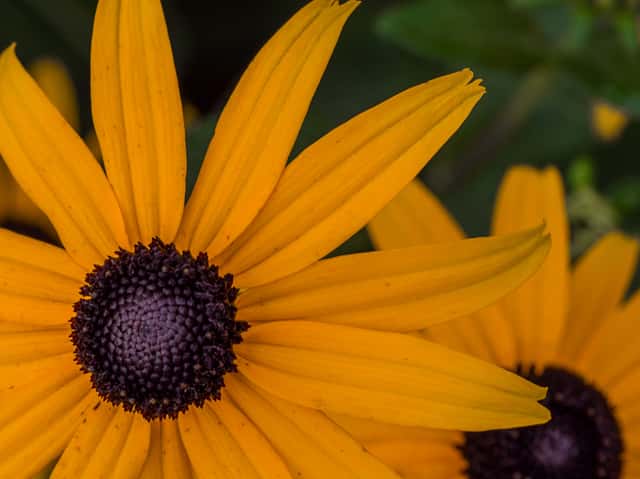
Black-eyed Susan (Rudbeckia) is a easy-care plant from the Asteraceae family. Rudbeckia is a genus of flowering plants in the family Asteraceae, native to North America. Widely known as black-eyed Susan or coneflower, it features cheerful golden-yellow daisy-like blooms with dark brown or black centers, blooming from summer through fall.
Black-eyed Susan grows up to 1.2m, spread of 60cm, watering every 7 days, -34°C – 38°C, 30–60% humidity. It is not suitable for indoor environments and safe for pets.
Unlike many tropical plants, Black-eyed Susan tolerates watering mistakes. Best for beginners. Unlike many popular species, Black-eyed Susan is safe to keep around pets.
How to Care for Black-eyed Susan?
TLDR: Black-eyed Susan needs Direct sun, watering every 7 days, and temperatures between -34-38°C with 30-60% humidity.
How Often Should You Water Black-eyed Susan?
Water deeply once a week during the first growing season. Once established, Rudbeckia is very drought tolerant. Always water at soil level to prevent fungal diseases on foliage.
How Much Light Does Black-eyed Susan Need?
Rudbeckia thrives in full sun with at least 6 hours of direct sunlight daily. It tolerates partial shade but produces fewer blooms and may become leggy.
What Is the Best Soil for Black-eyed Susan?
Prefers well-drained soil but adapts to clay, loam, and poor soils once established. Amend heavy clay with compost for best results.
What Pot Should You Use for Black-eyed Susan?
Garden borders, mixed beds, or large outdoor containers.
Care Schedule
Fertilize
Every 14 days
Misting
Every 3 days
Rotate
Every 7 days
Repot
Every 365 days
What Is Black-eyed Susan and Where Does It Come From?
Rudbeckia is a genus of flowering plants in the family Asteraceae, native to North America. Widely known as black-eyed Susan or coneflower, it features cheerful golden-yellow daisy-like blooms with dark brown or black centers, blooming from summer through fall.
How Big Does Black-eyed Susan Grow?
TLDR: Black-eyed Susan can reach up to 1.2m tall with Medium growth rate.
Max height
1.2m
Spread
60cm
Growth rate
Medium
Foliage
Deciduous
Plant Uses
Ornamental
Great for decoration
Is your plant showing symptoms?
Click on the symptom to discover possible causes:
What Diseases Commonly Affect Black-eyed Susan?
TLDR: Black-eyed Susan is susceptible to 8 known diseases. Monitor regularly for early detection.
Powdery Mildew
Powdery mildew is a common fungal disease caused by various fungi species including Erysiphe, Podosphaera, Oïdium, and Leveillula. It affects over 10,000 plant species worldwide. The disease thrives in warm, dry climates with high humidity and appears as a distinctive white powdery coating on plant surfaces.
Downy Mildew
Downy mildew is a fungal-like disease caused by oomycetes (water molds) that thrives in cool, wet conditions. It affects a wide range of plants, causing yellowing leaves with fuzzy white-gray growth underneath, leading to defoliation and reduced yields if left untreated.
Leaf Spot
Leaf spot is a common fungal disease caused by various pathogens including Alternaria, Ascochyta, Colletotrichum, Septoria, and Venturia. It primarily affects leaves, causing discolored spots that can lead to premature leaf drop if left untreated.
Rust
Rust is a common fungal disease caused by fungi in the order Pucciniales that affects a wide variety of plants. The disease gets its name from the characteristic orange, yellow, or reddish-brown pustules that appear on leaves, resembling metal rust. This obligate fungal parasite requires living plants to survive and can cause significant economic losses in agricultural crops.
Meaning & Symbolism
Rudbeckia symbolizes encouragement, motivation, and justice. Its bright golden blooms represent optimism and resilience in the face of adversity.
Fun Facts
Black-eyed Susan is the state flower of Maryland, USA.
Rudbeckia attracts butterflies, bees, and goldfinches, making it a pollinator powerhouse.
The seed heads provide winter food for birds when left standing after flowering.
Some species are biennial, while others are long-lived perennials.
Compare with similar plants
| Attribute | Difficulty | Light | Watering | Pet Safe |
|---|---|---|---|---|
| Field Maple | Easy | Bright indirect | 14d | ✓ |
| Silver Birch | Easy | Direct sun | 14d | ✓ |
| Cushion Bush | Easy | Direct sun | 14d | ✓ |
| Wild Lettuce | Medium | Direct sun | 7d | ⚠️ |





