Sapindaceae
Maple: Pet-Safe Plant
Acer
Maples prefer full sun to partial shade, well-drained and slightly acidic soil. Water regularly during growth periods, allowing the soil to dry slightly between waterings. Fertilizing in spring promotes vigorous growth. Light pruning in late winter maintains the desired shape.
Every 7 days
Partial shade
-20° - 35°C
30% - 50%
Categories
What is Maple?
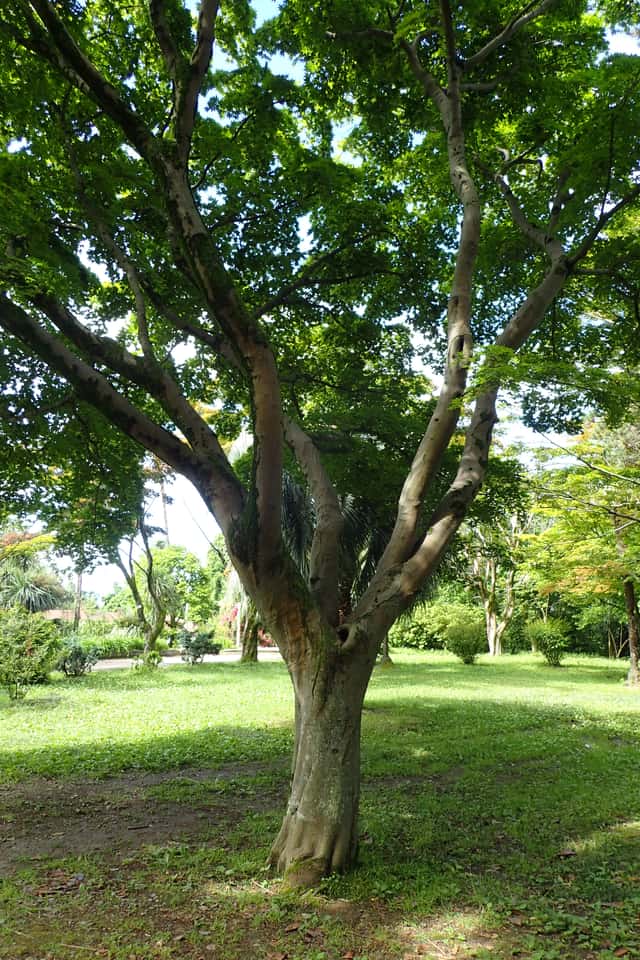
Maple (Acer) is a medium-care plant from the Sapindaceae family. The genus Acer, commonly known as maple, encompasses more than 130 species of deciduous trees and shrubs distributed throughout the Northern Hemisphere. Famous for the exuberance of its autumn foliage, the maple is cultivated for both its ornamental value and its fine wood. The Japanese species Acer...
Maple grows up to 25.0m, spread of 900cm, watering every 7 days, -20°C – 35°C, 30–50% humidity. It is not suitable for indoor environments and safe for pets.
Unlike many popular species, Maple is safe to keep around pets.
How to Care for Maple?
TLDR: Maple needs Partial shade, watering every 7 days, and temperatures between -20-35°C with 30-50% humidity.
How Often Should You Water Maple?
Water every 7 days on average, or when the top 2 inches (5 cm) of soil are dry. Newly planted trees need more frequent watering. Avoid waterlogging, which can cause root rot.
How Much Light Does Maple Need?
Prefers full sun to partial shade. In hot climates, protect from afternoon sun to prevent leaf scorch. In temperate climates, full sun intensifies autumn colors.
What Is the Best Soil for Maple?
Use well-drained soil rich in organic matter with a pH between 5.5 and 7.0. Avoid clayey and compacted soils. Adding organic compost improves both drainage and moisture retention.
What Pot Should You Use for Maple?
Ceramic or stone pots are ideal for Acer bonsai. For cultivation in larger containers, prefer pots with good drainage and a generous diameter to accommodate the root system.
Care Schedule
Fertilize
Every 90 days
Repot
Every 730 days
What Is Maple and Where Does It Come From?
The genus Acer, commonly known as maple, encompasses more than 130 species of deciduous trees and shrubs distributed throughout the Northern Hemisphere. Famous for the exuberance of its autumn foliage, the maple is cultivated for both its ornamental value and its fine wood. The Japanese species Acer palmatum is especially prized in gardens and bonsai, while Acer saccharum provides the famous sap for maple syrup.
How to Propagate Maple?
Seeds
Cold stratification simulates natural winter and increases the germination rate.
- 1 Collect mature samaras in autumn
- 2 Cold stratify the seeds for 60-90 days in the refrigerator
- 3 Plant in moist, well-drained substrate in spring
- 4 Keep in a bright location with partial shade until germination
Materials needed:
Stem cuttings
Use cuttings from specific cultivars to maintain the ornamental characteristics of the parent plant.
- 1 Cut 4-6 inch (10-15 cm) semi-hardwood tips in early summer
- 2 Remove lower leaves, leaving 2-3 at the top
- 3 Apply rooting hormone to the base of the cut
- 4 Insert into moist substrate and maintain under high humidity
Materials needed:
How Big Does Maple Grow?
TLDR: Maple can reach up to 25.0m tall with Slow growth rate.
Max height
25.0m
Spread
9.0m
Growth rate
Slow
Foliage
Deciduous
Plant Uses
Ornamental
Great for decoration
Culinary Uses
- Maple syrup is produced from the sap of Acer saccharum in northeastern North America
Is your plant showing symptoms?
Click on the symptom to discover possible causes:
What Diseases Commonly Affect Maple?
TLDR: Maple is susceptible to 9 known diseases. Monitor regularly for early detection.
Anthracnose
Anthracnose is a fungal disease caused by fungi in the genus Colletotrichum that affects many plants, including vegetables, fruits, and trees. The disease thrives in cool, wet conditions, causing dark, sunken lesions on leaves, stems, flowers, and fruits.
Powdery Mildew
Powdery mildew is a common fungal disease caused by various fungi species including Erysiphe, Podosphaera, Oïdium, and Leveillula. It affects over 10,000 plant species worldwide. The disease thrives in warm, dry climates with high humidity and appears as a distinctive white powdery coating on plant surfaces.
Verticillium Wilt
Verticillium wilt is a soil-borne fungal disease caused primarily by the fungi Verticillium dahliae and V. albo-atrum. These pathogens infect plant roots and grow within the vascular tissues, blocking water and nutrient transport, resulting in wilting and eventual plant death. The disease affects over 350 plant species including vegetables, fruits, ornamental flowers, and trees. The fungi can survive in soil for more than 10 years as resistant structures called microsclerotia.
Phytophthora Root Rot
Disease caused by fungus-like organisms (oomycetes) that live in soil and can survive for years. It affects roots, stem, and crown of plants, being especially severe in waterlogged or poorly drained soils. It is the second most common cause of root rot in trees and shrubs.
Meaning & Symbolism
The maple symbolizes strength, endurance, and the beauty of transformation. In Japan, maple leaves (momiji) represent peace and elegance, being a central theme of autumn hanami. In Canada, the maple leaf is a national symbol of identity and pride.
Compare with similar plants
| Attribute | Difficulty | Light | Watering | Pet Safe |
|---|---|---|---|---|
| Dark Fieldcap | Medium | Low light | 2d | ⚠️ |
| Azalea | Medium | Partial shade | 3d | ⚠️ |
| Field Maple | Easy | Bright indirect | 14d | ✓ |
| Bougainvillea | Medium | Direct sun | 7d | ⚠️ |




