Asteraceae
Kleinia: The Complete Succulent Care Guide
Kleinia
Extremely drought-tolerant succulent. Thrives in full sun or bright direct light with fast-draining soil and infrequent watering. The biggest risk is overwatering — always let soil dry completely between waterings.
Every 14 days
Direct sun
10° - 32°C
20% - 50%
Categories
What is Kleinia?
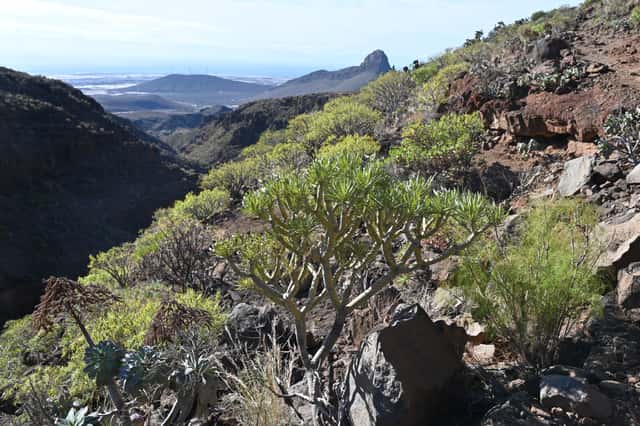
Kleinia (Kleinia) is a easy-care plant from the Asteraceae family. Kleinia is a genus of perennial succulents in the Asteraceae family, closely allied to Senecio. Native to the Canary Islands, North Africa, and parts of Asia, the genus comprises around 56 species featuring fleshy stems, silvery-blue foliage, and ornamental summer flowers. It is a low-maintenance pl...
Kleinia grows up to 1.2m, spread of 60cm, watering every 14 days, 10°C – 32°C, 20–50% humidity. It is suitable for indoor environments and safe for pets.
Unlike many tropical plants, Kleinia tolerates watering mistakes. Best for beginners. Unlike many popular species, Kleinia is safe to keep around pets. Without adequate drainage, root rot can develop within 28 days.
How to Care for Kleinia?
TLDR: Kleinia needs Direct sun, watering every 14 days, and temperatures between 10-32°C with 20-50% humidity.
How Often Should You Water Kleinia?
Water every 14 days in spring and summer; reduce to once a month in winter. Always check that the soil is completely dry before watering again.
How Much Light Does Kleinia Need?
Prefers 4–6 hours of direct sunlight daily. Indoors, place near a south- or west-facing window. Avoid deep shade.
What Is the Best Soil for Kleinia?
Use a well-draining cactus or succulent mix amended with perlite or coarse sand. Ideal pH 6.0–8.0. Good drainage is non-negotiable.
What Pot Should You Use for Kleinia?
Terracotta or ceramic pot with drainage hole. Avoid oversized pots — Kleinia prefers snug containers that dry out quickly.
Care Schedule
Fertilize
Every 90 days
Repot
Every 730 days
What Is Kleinia and Where Does It Come From?
Kleinia is a genus of perennial succulents in the Asteraceae family, closely allied to Senecio. Native to the Canary Islands, North Africa, and parts of Asia, the genus comprises around 56 species featuring fleshy stems, silvery-blue foliage, and ornamental summer flowers. It is a low-maintenance plant ideal for rock gardens, dry borders, and container growing.
How to Propagate Kleinia?
Stem Cutting
Do not water immediately after planting. Use clean, sharp tools to prevent disease.
- 1 Cut a healthy stem 8–12 cm long with clean scissors
- 2 Allow the cut end to callus in open air for 2–3 days
- 3 Plant in dry succulent mix in a pot with drainage holes
- 4 Wait 2 weeks before giving a light first watering
Materials needed:
Seed Propagation
Germination can be slow. Keep in a warm, bright location.
- 1 Sow seeds in fine, well-draining seed mix
- 2 Keep lightly moist until germination
- 3 Transplant seedlings when they reach 3–4 cm
Materials needed:
How Big Does Kleinia Grow?
TLDR: Kleinia can reach up to 1.2m tall with Medium growth rate.
Max height
1.2m
Spread
60cm
Growth rate
Medium
Foliage
Evergreen
Plant Uses
Ornamental
Great for decoration
Medicinal
Medicinal properties
Medicinal Uses
- Traditional use in African and Middle Eastern folk medicine to treat inflammation and wounds
Is your plant showing symptoms?
Click on the symptom to discover possible causes:
What Diseases Commonly Affect Kleinia?
TLDR: Kleinia is susceptible to 6 known diseases. Monitor regularly for early detection.
Root Rot
Root rot is a serious fungal disease that affects the root system of plants, causing them to decay and die. It is primarily caused by overwatering, poor drainage, or soil-borne fungi such as Pythium, Phytophthora, Rhizoctonia, and Fusarium. The disease thrives in waterlogged conditions where roots are deprived of oxygen, making them susceptible to fungal infection.
Overwatering
Overwatering occurs when plants receive too much water, depriving roots of oxygen and causing root rot. This environmental stress is one of the most common causes of houseplant death, as waterlogged soil prevents roots from breathing and functioning properly.
Mealybugs
Mealybugs are small, soft-bodied insects covered with a white, waxy, cottony material. They are common pests of houseplants and outdoor plants in mild climates. These sap-sucking insects feed on plant tissue, causing damage, stunted growth, and can lead to plant death if left untreated. They produce sticky honeydew which attracts sooty mold.
Aphids
Aphids are small, soft-bodied, pear-shaped insects (1/16 to 1/8 inch long) that feed by sucking nutrient-rich sap from plants. They reproduce rapidly and can quickly weaken plants, causing distorted growth and transmitting plant viruses. Aphids come in various colors including green, black, red, yellow, brown, and gray. They secrete honeydew, a sticky substance that attracts ants and encourages sooty mold growth.
Meaning & Symbolism
Symbolizes resilience and adaptation — surviving in harsh, arid conditions where few plants can thrive.
Fun Facts
The genus Kleinia was described by botanist Philip Miller in 1754, named after German naturalist Jacob Theodor Klein.
Kleinia is closely related to Senecio — the two genera were once classified together before taxonomic revision.
Several Kleinia species have been used in traditional African medicine for centuries.
Kleinia neriifolia from the Canary Islands can grow up to 2.5 meters tall, resembling a small tree.
Frequently asked questions
How often should I water Kleinia?
Can Kleinia grow indoors?
Is Kleinia toxic to pets?
Why are my Kleinia leaves shriveling?
How fast does Kleinia grow?
Compare with similar plants
| Attribute | Difficulty | Light | Watering | Pet Safe |
|---|---|---|---|---|
| Field Maple | Easy | Bright indirect | 14d | ✓ |
| Silver Birch | Easy | Direct sun | 14d | ✓ |
| Cushion Bush | Easy | Direct sun | 14d | ✓ |
| Wild Lettuce | Medium | Direct sun | 7d | ⚠️ |





