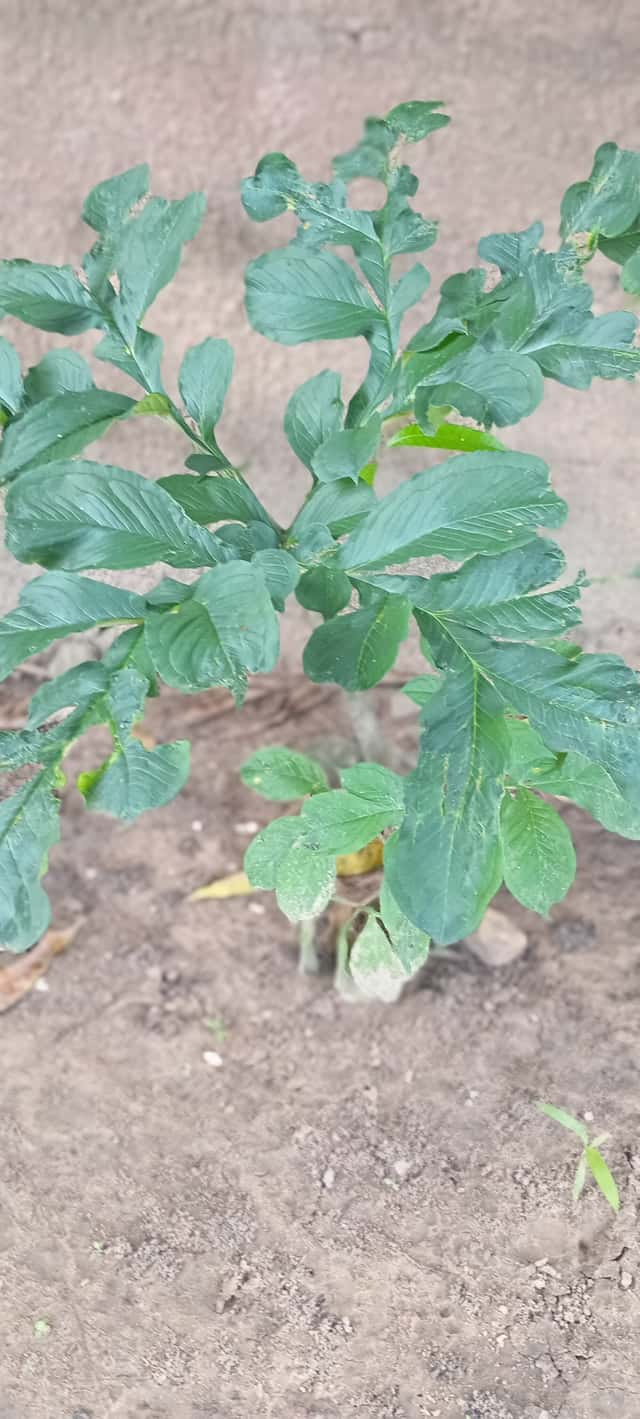
Araceae
Konjac: Edible Plant
Amorphophallus konjac
Requires soil rich in organic matter, high humidity, and filtered light. The plant enters full dormancy in winter, during which watering should be suspended.
Every 5 days
Low light
16° - 30°C
50% - 70%
Categories
What is Konjac?
Konjac (Amorphophallus konjac) is a medium-care plant from the Araceae family. Amorphophallus konjac is an exotic tuberous plant native to Southeast Asia. It is famous for producing a single giant leaf that resembles a small tree and a spectacular dark purple inflorescence that emits a strong odor to attract pollinators. Its underground tuber is widely used in Asian cuisine fo...
Konjac grows up to 1.5m, spread of 120cm, watering every 5 days, 16°C – 30°C, 50–70% humidity. It is suitable for indoor environments and not safe for pets.
Without precautions, ingestion can cause irritation in pets. Keep out of reach of cats and dogs. Without adequate drainage, root rot can develop within 10 days.
How to Care for Konjac?
TLDR: Konjac needs Low light, watering every 5 days, and temperatures between 16-30°C with 50-70% humidity.
How Often Should You Water Konjac?
Keep the soil constantly moist during the summer, but never waterlogged. Stop watering completely when the plant enters dormancy.
How Much Light Does Konjac Need?
Avoid direct midday sun, which can burn the single leaf; prefer filtered light or partial shade.
What Is the Best Soil for Konjac?
Use a mixture of potting soil, organic compost, and sand to ensure nutrition and fast drainage.
What Pot Should You Use for Konjac?
Deep and wide pots to accommodate tuber growth and ensure stability.
Care Schedule
Fertilize
Every 14 days
Rotate
Every 30 days
Repot
Every 730 days
What Is Konjac and Where Does It Come From?
Amorphophallus konjac is an exotic tuberous plant native to Southeast Asia. It is famous for producing a single giant leaf that resembles a small tree and a spectacular dark purple inflorescence that emits a strong odor to attract pollinators. Its underground tuber is widely used in Asian cuisine for the production of konjac flour and jelly.
How to Propagate Konjac?
Tuber Division
- Ensure the tuber is firm and shows no signs of rot before replanting.
- Use gloves when handling cut tubers to avoid skin irritation.
- 1 Tuber Removal
After the leaf dries completely in the fall, carefully dig up the main tuber.
- 2 Separating Offsets
Identify the small side tubers (cormels) that have grown around the mother tuber and gently detach them.
- 3 Storage
Keep the tubers in a cool, dry place during the winter until the first sprouts appear in the spring.
- 4 Replanting
Plant the tubers in rich, moist soil as soon as the weather warms up.
Materials needed:
How Big Does Konjac Grow?
TLDR: Konjac can reach up to 1.5m tall with Fast growth rate.
Max height
1.5m
Spread
1.2m
Growth rate
Fast
Foliage
Deciduous
Warning: Toxic Plant
This plant can be toxic if ingested. Keep out of reach of:
Plant Uses
Ornamental
Great for decoration
Edible
Can be consumed
Medicinal Uses
- Weight loss aid (satiety)
- Cholesterol control
- Bowel regulation
- Blood sugar control
Culinary Uses
- Shirataki noodles
- Konjac flour
- Vegan jelly
- Food thickener
Is your plant showing symptoms?
Click on the symptom to discover possible causes:
What Diseases Commonly Affect Konjac?
TLDR: Konjac is susceptible to 9 known diseases. Monitor regularly for early detection.
Root Rot
Root rot is a serious fungal disease that affects the root system of plants, causing them to decay and die. It is primarily caused by overwatering, poor drainage, or soil-borne fungi such as Pythium, Phytophthora, Rhizoctonia, and Fusarium. The disease thrives in waterlogged conditions where roots are deprived of oxygen, making them susceptible to fungal infection.
Leaf Spot
Leaf spot is a common fungal disease caused by various pathogens including Alternaria, Ascochyta, Colletotrichum, Septoria, and Venturia. It primarily affects leaves, causing discolored spots that can lead to premature leaf drop if left untreated.
Scale Insects
Scale insects are small sap-sucking pests that appear as brown, shell-like bumps on plant stems and leaves. There are over 25 species, divided into armored (hard) and unarmored (soft) scales. They feed by piercing plant tissue and extracting sap, which weakens the plant and can lead to yellowing, stunted growth, and even death if left untreated. They also excrete honeydew, which attracts ants and promotes sooty mold growth.
Spider Mites
Spider mites are tiny arachnids (less than 1/20 inch long) related to spiders and ticks that feed on plant sap. They thrive in hot, dry conditions and can cause significant damage to ornamental and vegetable plants. During severe infestations, crop losses can reach 14% or higher as these pests disrupt vital plant processes including photosynthesis, carbon dioxide absorption, and transpiration.
Meaning & Symbolism
Represents resilience and the capacity for renewal through its dormancy cycles.
Compare with similar plants
| Attribute | Difficulty | Light | Watering | Pet Safe |
|---|---|---|---|---|
| Dark Fieldcap | Medium | Low light | 2d | ⚠️ |
| Azalea | Medium | Partial shade | 3d | ⚠️ |
| Muriel's Bamboo | Medium | Partial shade | 3d | ✓ |
| Bougainvillea | Medium | Direct sun | 7d | ⚠️ |




