Asteraceae
Pot Marigold: Aromatic Plant
Calendula officinalis
Pot marigold is an easy-to-grow plant that thrives in full sun. Water weekly and avoid waterlogging the soil. It prefers mild temperatures and can bloom in both spring and fall. Deadhead spent flowers regularly to encourage new buds.
Every 7 days
Direct sun
-3° - 29°C
30% - 60%
Categories
What is Pot Marigold?
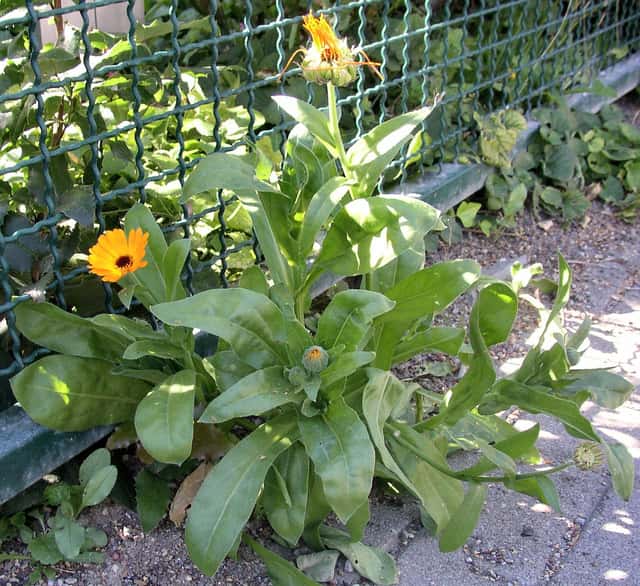
Pot Marigold (Calendula officinalis) is a easy-care plant from the Asteraceae family. Pot marigold (Calendula officinalis) is an annual plant native to the Mediterranean region, widely cultivated for its vibrant flowers in shades of orange, yellow, and cream. Belonging to the Asteraceae family, it is one of the oldest and most versatile medicinal herbs in the world, used since the Mi...
Pot Marigold grows up to 60cm, spread of 45cm, watering every 7 days, -3°C – 29°C, 30–60% humidity. It is not suitable for indoor environments and safe for pets.
Unlike many tropical plants, Pot Marigold tolerates watering mistakes. Best for beginners. Unlike many popular species, Pot Marigold is safe to keep around pets.
How to Care for Pot Marigold?
TLDR: Pot Marigold needs Direct sun, watering every 7 days, and temperatures between -3-29°C with 30-60% humidity.
How Often Should You Water Pot Marigold?
Water the calendula every 7 days, providing about 1 inch (2-3 cm) of water per week. Avoid wetting the leaves to prevent powdery mildew. Reduce frequency during rainy periods and on cooler days.
How Much Light Does Pot Marigold Need?
Pot marigold loves full sun—at least 6 hours of direct sunlight per day. In very hot climates, it benefits from light afternoon shade to avoid heat stress and maintain blooming.
What Is the Best Soil for Pot Marigold?
Plant in well-drained soil with a pH between 6.0 and 7.0. It prefers moderately fertile soil—excessively rich soil inhibits blooming. Mix in sand or perlite if the soil is too clayey.
What Pot Should You Use for Pot Marigold?
Terracotta or clay pots are ideal as they allow for good aeration and drainage. Use containers at least 8 inches (20 cm) in diameter with a drainage hole.
What Is Pot Marigold and Where Does It Come From?
Pot marigold (Calendula officinalis) is an annual plant native to the Mediterranean region, widely cultivated for its vibrant flowers in shades of orange, yellow, and cream. Belonging to the Asteraceae family, it is one of the oldest and most versatile medicinal herbs in the world, used since the Middle Ages for healing, culinary, and ornamental purposes. Its edible flowers bloom from spring to fall and attract beneficial pollinators to the garden.
How to Propagate Pot Marigold?
Direct sowing
Calendula germinates best at temperatures between 60-70°F (15-20°C). It can be sown in the fall in mild climates for winter-spring blooming.
- 1 Sow directly in the permanent location after the last frost
- 2 Lightly cover seeds with 1/4 inch (0.5 cm) of substrate
- 3 Keep the soil moist until germination
- 4 Thin seedlings to 8-10 inches (20-25 cm) apart
Materials needed:
How Big Does Pot Marigold Grow?
TLDR: Pot Marigold can reach up to 60cm tall with Fast growth rate.
Max height
60cm
Spread
45cm
Growth rate
Fast
Foliage
Deciduous
Plant Uses
Ornamental
Great for decoration
Edible
Can be consumed
Medicinal
Medicinal properties
Aromatic
Pleasant fragrance
Medicinal Uses
- Topical anti-inflammatory for irritated skin and minor burns
- Healing agent for cuts and scrapes
- Natural antifungal
- Tea to aid digestion and relieve cramps
- Ingredient in ointments, creams, and medicinal oils
Culinary Uses
- Fresh petals in salads
- Natural saffron substitute for coloring rice and cheeses
- Dried flower tea
- Edible decoration on cakes and desserts
Is your plant showing symptoms?
Click on the symptom to discover possible causes:
What Diseases Commonly Affect Pot Marigold?
TLDR: Pot Marigold is susceptible to 6 known diseases. Monitor regularly for early detection.
Powdery Mildew
Powdery mildew is a common fungal disease caused by various fungi species including Erysiphe, Podosphaera, Oïdium, and Leveillula. It affects over 10,000 plant species worldwide. The disease thrives in warm, dry climates with high humidity and appears as a distinctive white powdery coating on plant surfaces.
Downy Mildew
Downy mildew is a fungal-like disease caused by oomycetes (water molds) that thrives in cool, wet conditions. It affects a wide range of plants, causing yellowing leaves with fuzzy white-gray growth underneath, leading to defoliation and reduced yields if left untreated.
Aphids
Aphids are small, soft-bodied, pear-shaped insects (1/16 to 1/8 inch long) that feed by sucking nutrient-rich sap from plants. They reproduce rapidly and can quickly weaken plants, causing distorted growth and transmitting plant viruses. Aphids come in various colors including green, black, red, yellow, brown, and gray. They secrete honeydew, a sticky substance that attracts ants and encourages sooty mold growth.
Leaf Spot
Leaf spot is a common fungal disease caused by various pathogens including Alternaria, Ascochyta, Colletotrichum, Septoria, and Venturia. It primarily affects leaves, causing discolored spots that can lead to premature leaf drop if left untreated.
Meaning & Symbolism
Called 'Mary's Gold' in honor of the Virgin Mary, it symbolizes creativity, warmth, healing, and resilience. It is associated with solar renewal and hope.
Compare with similar plants
| Attribute | Difficulty | Light | Watering | Pet Safe |
|---|---|---|---|---|
| Field Maple | Easy | Bright indirect | 14d | ✓ |
| Silver Birch | Easy | Direct sun | 14d | ✓ |
| Cushion Bush | Easy | Direct sun | 14d | ✓ |
| Wild Lettuce | Medium | Direct sun | 7d | ⚠️ |





