Rubiaceae
Hedge Bedstraw: Ground Cover Plant
Galium mollugo
A tough, low-maintenance plant well suited to wildflower beds and informal borders. It tolerates a wide range of soils and light conditions, needing only occasional moisture and an annual trim to keep its scrambling habit in check.
Every 7 days
Partial shade
-20° - 28°C
% - %
Categories
What is Hedge Bedstraw?
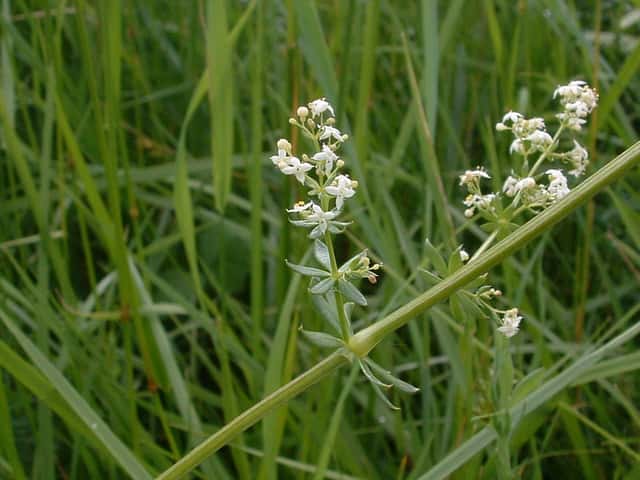
Hedge Bedstraw (Galium mollugo) is a easy-care plant from the Rubiaceae family. Hedge bedstraw is a sprawling European perennial found along hedgebanks, woodland edges and grassy, calcareous slopes. Its square stems scramble through neighboring vegetation, bearing whorls of narrow leaves and airy clusters of tiny star-shaped white flowers from late spring through summer.
Hedge Bedstraw grows up to 1.2m, spread of 60cm, watering every 7 days, -20°C – 28°C. It is not suitable for indoor environments and safe for pets.
Unlike many tropical plants, Hedge Bedstraw tolerates watering mistakes. Best for beginners. Unlike many popular species, Hedge Bedstraw is safe to keep around pets.
How to Care for Hedge Bedstraw?
TLDR: Hedge Bedstraw needs Partial shade, watering every 7 days, and temperatures between -20-28°C with 40-70% humidity.
How Often Should You Water Hedge Bedstraw?
Water when the top couple of centimeters of soil dry out; keep evenly moist without waterlogging, though established plants tolerate dry spells.
How Much Light Does Hedge Bedstraw Need?
Grows in full sun to partial shade; in hot climates provide light shade to prevent leaf scorch.
What Is the Best Soil for Hedge Bedstraw?
Tolerant of sandy, loamy or clay soils as long as they are well-drained; happiest in mildly acid to mildly alkaline pH.
Care Schedule
Fertilize
Every 365 days
What Is Hedge Bedstraw and Where Does It Come From?
Hedge bedstraw is a sprawling European perennial found along hedgebanks, woodland edges and grassy, calcareous slopes. Its square stems scramble through neighboring vegetation, bearing whorls of narrow leaves and airy clusters of tiny star-shaped white flowers from late spring through summer.
How to Propagate Hedge Bedstraw?
Division
- Divide established clumps in spring
- Keep newly divided sections moist until established
- 1 Lift the clump
Dig up the plant carefully in early spring
- 2 Divide
Separate into sections each with healthy roots
- 3 Replant
Replant immediately and water thoroughly
Materials needed:
Seed
- Sow in situ as soon as seed ripens in late summer
- Alternatively sow in spring
- 1 Prepare soil
Loosen soil and clear competing weeds
- 2 Sow
Scatter seed thinly over the surface
- 3 Keep moist
Water lightly until germination
Materials needed:
How Big Does Hedge Bedstraw Grow?
TLDR: Hedge Bedstraw can reach up to 1.2m tall with Medium growth rate.
Max height
1.2m
Spread
60cm
Growth rate
Medium
Foliage
Deciduous
Plant Uses
Ornamental
Great for decoration
Medicinal
Medicinal properties
Edible
Can be consumed
Ground Cover
Soil coverage
Medicinal Uses
- Traditionally used in European folk medicine as an antispasmodic and wound-healing (vulnerary) herb
Culinary Uses
- Young leaves edible raw or cooked
Is your plant showing symptoms?
Click on the symptom to discover possible causes:
What Diseases Commonly Affect Hedge Bedstraw?
TLDR: Hedge Bedstraw is susceptible to 1 known diseases. Monitor regularly for early detection.
Compare with similar plants
| Attribute | Difficulty | Light | Watering | Pet Safe |
|---|---|---|---|---|
| Field Maple | Easy | Bright indirect | 14d | ✓ |
| Silver Birch | Easy | Direct sun | 14d | ✓ |
| Cushion Bush | Easy | Direct sun | 14d | ✓ |
| Peruvian peppertree | Easy | Direct sun | 14d | ⚠️ |





