Cupressaceae
Japanese Cedar: Care and Cultivation
Cryptomeria japonica
Grow in full sun to partial shade in rich, moist, well-drained, slightly acidic soil. Water regularly to keep soil evenly moist without waterlogging.
Every 7 days
Bright indirect
-20° - 35°C
40% - 70%
Categories
What is Japanese Cedar?
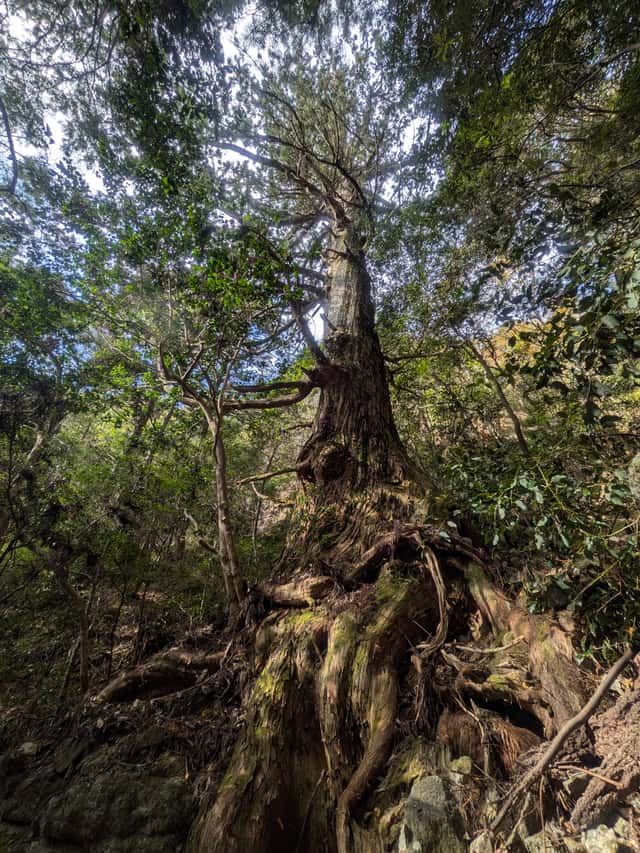
Japanese Cedar (Cryptomeria japonica) is a medium-care plant from the Cupressaceae family. Cryptomeria japonica, known as Japanese cedar or sugi, is an evergreen conifer native to Japan, where it is the national tree. It can reach great heights in the wild and is widely cultivated as an ornamental garden tree, hedge, or bonsai specimen.
Japanese Cedar grows up to 35.0m, spread of 600cm, watering every 7 days, -20°C – 35°C, 40–70% humidity. It is not suitable for indoor environments and safe for pets.
Unlike many popular species, Japanese Cedar is safe to keep around pets.
How to Care for Japanese Cedar?
TLDR: Japanese Cedar needs Bright indirect, watering every 7 days, and temperatures between -20-35°C with 40-70% humidity.
How Often Should You Water Japanese Cedar?
Keep soil evenly moist, especially during dry spells; avoid waterlogging which causes root rot.
How Much Light Does Japanese Cedar Need?
Prefers full sun to partial shade; cannot tolerate deep shade.
What Is the Best Soil for Japanese Cedar?
Rich organic, well-draining, slightly acidic soil (pH 5.0-6.5).
What Pot Should You Use for Japanese Cedar?
Large, deep pot with good drainage for young specimens; best planted in ground for mature trees
Care Schedule
Fertilize
Every 180 days
What Is Japanese Cedar and Where Does It Come From?
Cryptomeria japonica, known as Japanese cedar or sugi, is an evergreen conifer native to Japan, where it is the national tree. It can reach great heights in the wild and is widely cultivated as an ornamental garden tree, hedge, or bonsai specimen.
How to Propagate Japanese Cedar?
Seed sowing
Germination can be uneven; be patient and keep temperature stable.
- 1 Collect seeds from mature cones in autumn
- 2 Cold-stratify seeds for 30-60 days
- 3 Sow in well-draining substrate and keep moist
- 4 Transplant seedlings once true leaves develop
Materials needed:
Semi-hardwood cutting
Use a propagator or plastic bag to maintain high humidity during rooting.
- 1 Cut 10-15cm semi-hardwood branches in summer
- 2 Remove leaves from the base
- 3 Apply rooting hormone
- 4 Plant in sandy well-draining substrate and keep moist
Materials needed:
How Big Does Japanese Cedar Grow?
TLDR: Japanese Cedar can reach up to 35.0m tall with Medium growth rate.
Max height
35.0m
Spread
6.0m
Growth rate
Medium
Foliage
Evergreen
Plant Uses
Ornamental
Great for decoration
Is your plant showing symptoms?
Click on the symptom to discover possible causes:
What Diseases Commonly Affect Japanese Cedar?
TLDR: Japanese Cedar is susceptible to 7 known diseases. Monitor regularly for early detection.
Pestalotiopsis
Pestalotiopsis is a group of fungi (now often placed in Neopestalotiopsis and related genera) that causes leaf spots and tip blight, especially on plants that are stressed or kept too wet. It shows up most after cool, rainy weather or in crowded plantings with poor airflow. Look for tan to dark-brown spots that may have a yellow edge, or shoot tips that brown and die back from the tip inward. Tiny black pinhead-like dots often appear in the dead tissue—these are the fungus’s spore-producing bodies. It commonly affects arborvitae, juniper, cypress, yew, boxwood, many palms (including indoor palms), and can also occur on strawberry leaves and fruit.
Leaf Spot
Leaf spot is a common fungal disease caused by various pathogens including Alternaria, Ascochyta, Colletotrichum, Septoria, and Venturia. It primarily affects leaves, causing discolored spots that can lead to premature leaf drop if left untreated.
Root Rot
Root rot is a serious fungal disease that affects the root system of plants, causing them to decay and die. It is primarily caused by overwatering, poor drainage, or soil-borne fungi such as Pythium, Phytophthora, Rhizoctonia, and Fusarium. The disease thrives in waterlogged conditions where roots are deprived of oxygen, making them susceptible to fungal infection.
Aphids
Aphids are small, soft-bodied, pear-shaped insects (1/16 to 1/8 inch long) that feed by sucking nutrient-rich sap from plants. They reproduce rapidly and can quickly weaken plants, causing distorted growth and transmitting plant viruses. Aphids come in various colors including green, black, red, yellow, brown, and gray. They secrete honeydew, a sticky substance that attracts ants and encourages sooty mold growth.
Meaning & Symbolism
Symbolizes longevity, strength, and reverence in Japan; often planted at Shinto shrines and temples.
Fun Facts
It is the national tree of Japan and can live over a thousand years
Traditionally used in the construction of temples and Shinto shrines
Its aromatic wood is prized in traditional Japanese woodworking
Frequently asked questions
Is Japanese cedar toxic to pets?
How often should I water Japanese cedar?
Can Japanese cedar be grown in a pot?
Compare with similar plants
| Attribute | Difficulty | Light | Watering | Pet Safe |
|---|---|---|---|---|
| Dark Fieldcap | Medium | Low light | 2d | ⚠️ |
| Azalea | Medium | Partial shade | 3d | ⚠️ |
| Bougainvillea | Medium | Direct sun | 7d | ⚠️ |
| Wild Lettuce | Medium | Direct sun | 7d | ⚠️ |



