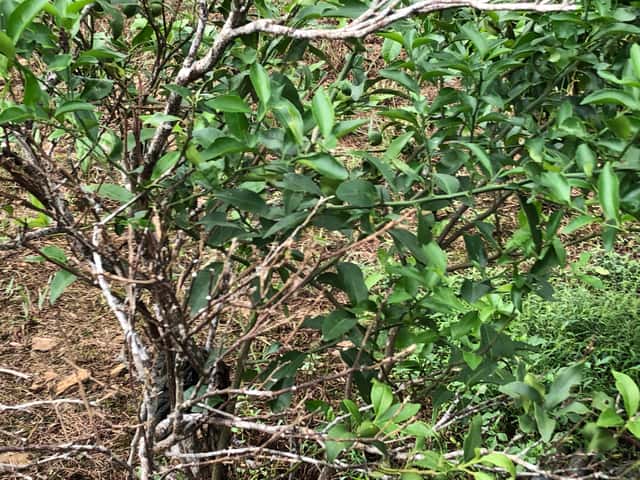
Rutaceae
Kumquat: Edible Plant
Citrus japonica
Grow in full sun with regular, deep watering that lets the topsoil dry slightly between waterings, in well-draining, mildly acidic soil. Slow-growing and compact, kumquats do well in containers but need protection below about 12-13°C.
Every 7 days
Bright indirect
13° - 30°C
40% - 70%
Categories
What is Kumquat?
Kumquat (Citrus japonica) is a medium-care plant from the Rutaceae family. The kumquat (Citrus japonica) is a small evergreen citrus shrub or tree native to China, prized for its bite-sized orange fruit that is eaten whole, peel and all, offering a sweet rind and tart flesh. Compact and slow-growing, it is popular as a container and ornamental garden plant, and is one of t...
Kumquat grows up to 4.5m, spread of 300cm, watering every 7 days, 13°C – 30°C, 40–70% humidity. It is suitable for indoor environments and safe for pets.
Unlike many popular species, Kumquat is safe to keep around pets. Without adequate drainage, root rot can develop within 14 days.
How to Care for Kumquat?
TLDR: Kumquat needs Bright indirect, watering every 7 days, and temperatures between 13-30°C with 40-70% humidity.
How Often Should You Water Kumquat?
Water deeply and let the top inch of soil dry out before watering again; avoid soggy soil, which promotes root rot.
How Much Light Does Kumquat Need?
Needs full sun, ideally 8+ hours of direct light daily, for the heaviest, sweetest fruit crop.
What Is the Best Soil for Kumquat?
Use well-draining sandy or loamy soil with a slightly acidic pH of 5.5 to 6.5; good drainage is essential to prevent root rot.
What Pot Should You Use for Kumquat?
A terracotta or ceramic pot with good drainage holes, sized to the root ball, helps manage soil moisture for container-grown kumquats.
Care Schedule
Fertilize
Every 60 days
Rotate
Every 14 days
Repot
Every 730 days
What Is Kumquat and Where Does It Come From?
The kumquat (Citrus japonica) is a small evergreen citrus shrub or tree native to China, prized for its bite-sized orange fruit that is eaten whole, peel and all, offering a sweet rind and tart flesh. Compact and slow-growing, it is popular as a container and ornamental garden plant, and is one of the few citrus resistant to citrus canker.
How to Propagate Kumquat?
Grafting
- Use a vigorous citrus rootstock for best vigor and early fruiting
- Graft in late winter or early spring
- 1 Select scion
Choose a healthy budwood from the parent tree
- 2 Graft
Join the scion to the rootstock and secure with grafting tape
Materials needed:
Seed
- Germination is slow and fruiting from seed can take up to a decade
- 1 Extract seeds
Remove seeds from a ripe fruit and rinse clean
- 2 Sow
Plant in light potting mix and keep consistently moist
Materials needed:
How Big Does Kumquat Grow?
TLDR: Kumquat can reach up to 4.5m tall with Slow growth rate.
Max height
4.5m
Spread
3.0m
Growth rate
Slow
Foliage
Evergreen
Plant Uses
Edible
Can be consumed
Ornamental
Great for decoration
Medicinal Uses
- Peel is rich in vitamin C and traditionally used in teas for coughs and colds
Culinary Uses
- Eaten whole fresh, peel and all
- Marmalades and preserves
- Candied kumquats
- Cocktails and liqueurs
Is your plant showing symptoms?
Click on the symptom to discover possible causes:
What Diseases Commonly Affect Kumquat?
TLDR: Kumquat is susceptible to 11 known diseases. Monitor regularly for early detection.
Whiteflies
Whiteflies are small, soft-bodied, winged insects closely related to aphids and mealybugs. They are moth-like in appearance, about 1/16 inch long, triangular in shape, and gray-white in color. These sap-sucking pests feed on plant tissue, causing yellowing, stunted growth, and wilting. They also excrete honeydew, which attracts ants and promotes sooty mold growth. Whiteflies can transmit serious plant viruses.
Aphids
Aphids are small, soft-bodied, pear-shaped insects (1/16 to 1/8 inch long) that feed by sucking nutrient-rich sap from plants. They reproduce rapidly and can quickly weaken plants, causing distorted growth and transmitting plant viruses. Aphids come in various colors including green, black, red, yellow, brown, and gray. They secrete honeydew, a sticky substance that attracts ants and encourages sooty mold growth.
Leafminers
Leafminers are the larvae of various insects including flies, moths, sawflies, and beetles that tunnel between leaf surfaces, creating distinctive serpentine trails or blotchy patches. While primarily cosmetic, severe infestations can weaken plants by reducing photosynthesis capacity and making them susceptible to secondary infections.
Caterpillars
Caterpillars are the larval stage of moths and butterflies that feed voraciously on plant foliage, stems, flowers, and fruits. Common species include cabbage loopers, tomato hornworms, armyworms, and cutworms. These pests can cause extensive damage by consuming large amounts of plant tissue in a short time. They vary in size from small (1/4 inch) to large (5 inches), with colors ranging from green to brown, often featuring stripes or spots. Caterpillars are highly mobile and can quickly spread throughout gardens, making them one of the most destructive common pests.
Meaning & Symbolism
In Chinese culture the kumquat symbolizes good luck, prosperity and good fortune, and potted trees are a traditional Lunar New Year gift and decoration.
Compare with similar plants
| Attribute | Difficulty | Light | Watering | Pet Safe |
|---|---|---|---|---|
| Dark Fieldcap | Medium | Low light | 2d | ⚠️ |
| Azalea | Medium | Partial shade | 3d | ⚠️ |
| Bougainvillea | Medium | Direct sun | 7d | ⚠️ |
| Wild Lettuce | Medium | Direct sun | 7d | ⚠️ |
Choose & Compare
Sources & References
- Kumquat Tree Info - How To Care For Kumquat Trees
- How to Plant, Grow, and Care for a Kumquat Tree
- Kumquat (Citrus japonica): How to Grow, Eat, and Enjoy it Benefits
- Kumquat Pests: How to Spot, Treat, and Prevent Them
- How to Identify and Treat Kumquat Diseases
- CDFA Citrus Canker Pest Profile
- Are Kumquats Good for Pets?
- Propagating Kumquat Tree: Step-by-Step Guide



