Vitaceae
Fox Grape (Vitis labrusca): The Hardy North American Vine
Vitis labrusca
Fox Grape is a vigorous, outdoor vine that thrives in full sun and well-drained soil. Water regularly during the growing season, approximately every 7 days, allowing the soil to partially dry between waterings. Prune annually in late winter to maintain productivity. Fertilize in early spring with a balanced fertilizer. Provide a sturdy trellis, arbor, or fence for support. Cold-hardy to zone 5.
Every 7 days
Direct sun
-20° - 35°C
50% - 70%
Categories
What is Fox Grape?
Fox Grape (Vitis labrusca) is a medium-care plant from the Vitaceae family. Vitis labrusca, commonly known as the Fox Grape or Northern Fox Grape, is a vigorous deciduous climbing vine native to eastern North America. It is the parent species of many beloved American grape cultivars, most notably the Concord grape, widely used in juices, jellies, and wines. This fast-growin...
Fox Grape grows up to 6.0m, spread of 600cm, watering every 7 days, -20°C – 35°C, 50–70% humidity. It is not suitable for indoor environments and safe for pets.
Unlike many popular species, Fox Grape is safe to keep around pets.
How to Care for Fox Grape?
TLDR: Fox Grape needs Direct sun, watering every 7 days, and temperatures between -20-35°C with 50-70% humidity.
How Often Should You Water Fox Grape?
Water every 7 days during the growing season, keeping soil consistently moist but never waterlogged. During dormancy in winter, reduce watering significantly. Drip irrigation is ideal to maintain even moisture and prevent foliar diseases.
How Much Light Does Fox Grape Need?
Requires full sun — at least 6 hours of direct sunlight per day. Good sun exposure is essential for fruit quality and ripening. Plant in a south- or west-facing position for best results.
What Is the Best Soil for Fox Grape?
Plant in deep, loamy, well-drained soil rich in organic matter. Soil pH should be slightly acidic to neutral (6.0–7.5). Tolerates sandy and clay soils but performs best in loamy conditions. Avoid waterlogged or compacted soils.
What Pot Should You Use for Fox Grape?
Outdoor trellis, arbor, pergola, or sturdy fence. Not suitable for indoor pots due to vigorous growth and outdoor sunlight requirements. In smaller gardens, use a compact trellis on a sunny wall.
Care Schedule
Fertilize
Every 30 days
What Is Fox Grape and Where Does It Come From?
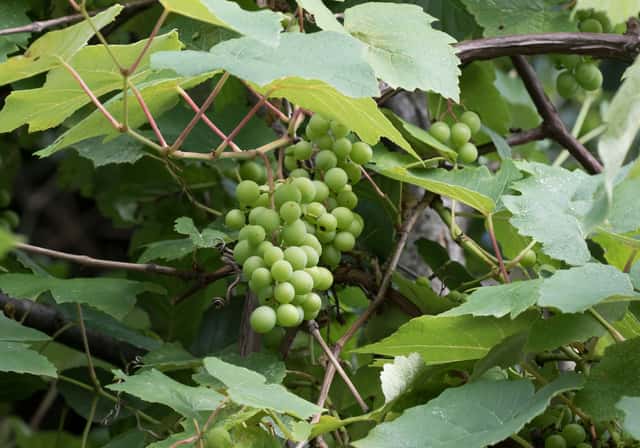
Vitis labrusca, commonly known as the Fox Grape or Northern Fox Grape, is a vigorous deciduous climbing vine native to eastern North America. It is the parent species of many beloved American grape cultivars, most notably the Concord grape, widely used in juices, jellies, and wines. This fast-growing vine climbs by tendrils and can reach 15–20 feet in length, producing clusters of dark blue-black grapes with a characteristic "foxy" musky aroma. Its large, three-lobed leaves turn attractive shades in autumn, and fragrant greenish-yellow flowers bloom in spring to early summer. A hardy, adaptable plant suited to USDA zones 5–8, it thrives in full sun and well-drained loamy soil.
How to Propagate Fox Grape?
Hardwood Cutting
Use sharp, clean tools to avoid disease transmission. Dip the base of cuttings in rooting hormone to improve success rate. Cuttings from younger, vigorous wood tend to root more reliably.
- 1 Take 12-inch hardwood cuttings from healthy, dormant canes in late winter (December–February)
- 2 Each cutting should have 3–4 nodes; make a clean cut just below the bottom node
- 3 Bundle cuttings and store in moist peat in a cool location until spring
- 4 Plant cuttings 2–3 nodes deep in well-drained potting mix in early spring
- 5 Keep soil moist and place in a sheltered, bright location until roots form
- 6 Transplant to final position once well-rooted and new growth appears
Materials needed:
Ground Layering
Spring layering takes advantage of the vine's active growth period for faster rooting. Mark the layered site to avoid accidental disturbance.
- 1 Select a long, flexible cane from the current or previous season
- 2 Bend the cane to the ground and wound the bark where it will touch the soil
- 3 Pin the cane to the ground at the wound point using a U-pin or rock
- 4 Cover the wounded section with 3–4 inches of moist soil
- 5 Water regularly to keep the layered section moist
- 6 Sever from parent plant once rooted (usually 6–10 weeks) and transplant
Materials needed:
How Big Does Fox Grape Grow?
TLDR: Fox Grape can reach up to 6.0m tall with Fast growth rate.
Max height
6.0m
Spread
6.0m
Growth rate
Fast
Foliage
Deciduous
Plant Uses
Ornamental
Great for decoration
Edible
Can be consumed
Medicinal
Medicinal properties
Medicinal Uses
- Leaf infusions have been traditionally used to treat diarrhea, hepatitis, and fevers
- Poultices of leaves applied externally for joint pain and rheumatic conditions
- Vine sap harvested in spring has been used in folk medicine for skin care
Culinary Uses
- Fruit eaten fresh, dried into raisins, or made into juice, jelly, and wine
- Young leaves used as wraps in cooking (similar to grape leaves in Mediterranean cuisine)
- Young tendrils and shoots consumed raw or lightly cooked as spring greens
- Seed oil can be extracted for culinary use on a larger scale
Is your plant showing symptoms?
Click on the symptom to discover possible causes:
What Diseases Commonly Affect Fox Grape?
TLDR: Fox Grape is susceptible to 9 known diseases. Monitor regularly for early detection.
Anthracnose
Anthracnose is a fungal disease caused by fungi in the genus Colletotrichum that affects many plants, including vegetables, fruits, and trees. The disease thrives in cool, wet conditions, causing dark, sunken lesions on leaves, stems, flowers, and fruits.
Downy Mildew
Downy mildew is a fungal-like disease caused by oomycetes (water molds) that thrives in cool, wet conditions. It affects a wide range of plants, causing yellowing leaves with fuzzy white-gray growth underneath, leading to defoliation and reduced yields if left untreated.
Powdery Mildew
Powdery mildew is a common fungal disease caused by various fungi species including Erysiphe, Podosphaera, Oïdium, and Leveillula. It affects over 10,000 plant species worldwide. The disease thrives in warm, dry climates with high humidity and appears as a distinctive white powdery coating on plant surfaces.
Botrytis
Meaning & Symbolism
The fox grape symbolizes abundance, fertility, and the bounty of the earth. In many cultures, grapes represent celebration, vitality, and the joys of harvest season.
Fun Facts
Vitis labrusca is the parent species of the Concord grape, one of the most widely grown grape varieties in North America, famous for its use in Welch's grape juice.
Fox grapes can reach up to 15 meters (49 feet) in length when climbing into trees in their native woodland habitat.
The distinctive "foxy" musky flavor and aroma of fox grapes comes from methyl anthranilate, a compound not found in European Vitis vinifera grapes.
Fox grape vines are valued as rootstocks for European grapevines because they are naturally resistant to the devastating Phylloxera root louse.
Frequently asked questions
How often should I water Fox Grape (Vitis labrusca)?
What hardiness zones is Vitis labrusca suitable for?
Is Fox Grape toxic to pets or humans?
How do I propagate Vitis labrusca?
How fast does Fox Grape grow?
Compare with similar plants
| Attribute | Difficulty | Light | Watering | Pet Safe |
|---|---|---|---|---|
| Azalea | Medium | Partial shade | 3d | ⚠️ |
| Wild Lettuce | Medium | Direct sun | 7d | ⚠️ |
| Cape Primrose | Medium | Partial shade | 7d | ✓ |
| Honey Locust | Medium | Direct sun | 14d | ✓ |