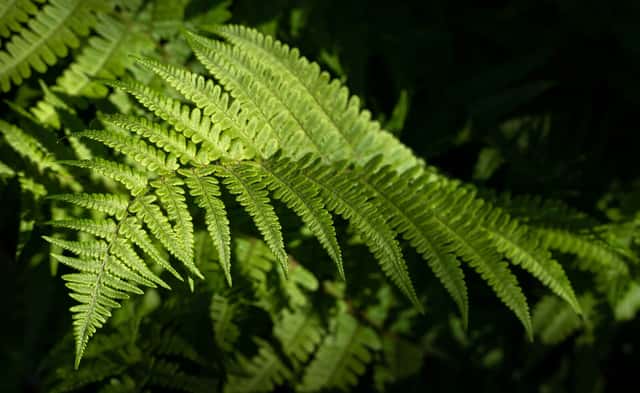
Athyriaceae
Lady Fern (Athyrium filix-femina) Care Guide
Athyrium filix-femina
Grow Lady Fern in dappled to full shade with consistently moist, humus-rich, slightly acidic soil. Keep humidity moderate to high, avoid letting the soil dry out or become waterlogged, and remove dead fronds in late winter before new growth (fiddleheads) emerges.
Every 4 days
Low light
5° - 24°C
50% - 70%
Categories
What is Lady Fern?
Lady Fern (Athyrium filix-femina) is a easy-care plant from the Athyriaceae family. The Lady Fern (Athyrium filix-femina) is a deciduous, clump-forming woodland fern native across the cooler regions of Europe, Asia and North America. It produces finely divided, twice-pinnate fronds in a soft, lacy texture that arch outward from a central crown, giving the plant its graceful, femini...
Lady Fern grows up to 90cm, spread of 90cm, watering every 4 days, 5°C – 24°C, 50–70% humidity. It is suitable for indoor environments and safe for pets.
Unlike many tropical plants, Lady Fern tolerates watering mistakes. Best for beginners. Unlike many popular species, Lady Fern is safe to keep around pets. Without adequate drainage, root rot can develop within 8 days.
How to Care for Lady Fern?
TLDR: Lady Fern needs Low light, watering every 4 days, and temperatures between 5-24°C with 50-70% humidity.
How Often Should You Water Lady Fern?
Water whenever the top inch of soil starts to feel dry to the touch — never let the rootball dry out completely, but avoid soggy, waterlogged soil. Consistent moisture is the single most important factor for healthy fronds.
How Much Light Does Lady Fern Need?
Best in dappled or full shade; tolerates a few hours of gentle morning sun if the soil stays moist, but protect from hot afternoon direct sun, which scorches the delicate fronds.
What Is the Best Soil for Lady Fern?
Use a rich, well-draining, humus-heavy soil (leaf mold, compost, peat-free potting mix) with a slightly acidic pH between 4.5 and 6.5. Mulch with leaf litter to retain moisture and mimic its natural forest-floor habitat.
What Pot Should You Use for Lady Fern?
Wide, shallow terracotta or glazed ceramic pot with good drainage holes; unglazed terracotta helps prevent waterlogging while still retaining some moisture.
Care Schedule
Fertilize
Every 30 days
Misting
Every 3 days
Repot
Every 730 days
What Is Lady Fern and Where Does It Come From?
The Lady Fern (Athyrium filix-femina) is a deciduous, clump-forming woodland fern native across the cooler regions of Europe, Asia and North America. It produces finely divided, twice-pinnate fronds in a soft, lacy texture that arch outward from a central crown, giving the plant its graceful, feminine silhouette and common name. Fronds emerge pale green in spring, deepen through summer, and often turn gold before dying back at the first hard frost. Lady Fern spreads slowly by short rhizomes, gradually forming loose colonies in shaded woodland gardens, along stream banks, and in other consistently moist, humus-rich spots. It is exceptionally low-maintenance and largely free of serious pests or diseases when given the shaded, evenly moist conditions it evolved for.
How to Propagate Lady Fern?
Rhizome division
Divide only well-established clumps at least 2-3 years old; smaller divisions establish more slowly but still recover well with steady moisture.
- 1 In early spring, before new fronds unfurl, lift the whole clump with a garden fork.
- 2 Use a clean, sharp knife or spade to divide the rhizome into sections, each with at least one growing crown and healthy roots attached.
- 3 Replant divisions immediately at the same depth in moist, humus-rich soil in a shaded spot.
- 4 Water thoroughly and keep consistently moist until new growth appears.
Materials needed:
Spore propagation
Sterile technique is essential — spores are easily outcompeted by moss and algae. Patience is required; this method can take over a year to produce a plantable fern.
- 1 Collect mature fronds once the sori (spore clusters) on the underside turn dark brown, usually mid to late summer.
- 2 Dry the fronds in a paper bag for a few days so ripe spores release onto the paper.
- 3 Sow the fine spore dust thinly over sterilized, damp peat-free compost in a covered, sterile container.
- 4 Keep in bright, indirect light at room temperature and maintain constant humidity by keeping the lid on.
- 5 Once a green moss-like growth (prothalli) forms and tiny fern sporelings appear, thin and transplant into small pots.
Materials needed:
How Big Does Lady Fern Grow?
TLDR: Lady Fern can reach up to 90cm tall with Medium growth rate.
Max height
90cm
Spread
90cm
Growth rate
Medium
Foliage
Deciduous
Plant Uses
Ornamental
Great for decoration
Ground Cover
Soil coverage
Is your plant showing symptoms?
Click on the symptom to discover possible causes:
What Diseases Commonly Affect Lady Fern?
TLDR: Lady Fern is susceptible to 4 known diseases. Monitor regularly for early detection.
Powdery Mildew
Powdery mildew is a common fungal disease caused by various fungi species including Erysiphe, Podosphaera, Oïdium, and Leveillula. It affects over 10,000 plant species worldwide. The disease thrives in warm, dry climates with high humidity and appears as a distinctive white powdery coating on plant surfaces.
Root Rot
Root rot is a serious fungal disease that affects the root system of plants, causing them to decay and die. It is primarily caused by overwatering, poor drainage, or soil-borne fungi such as Pythium, Phytophthora, Rhizoctonia, and Fusarium. The disease thrives in waterlogged conditions where roots are deprived of oxygen, making them susceptible to fungal infection.
Aphids
Aphids are small, soft-bodied, pear-shaped insects (1/16 to 1/8 inch long) that feed by sucking nutrient-rich sap from plants. They reproduce rapidly and can quickly weaken plants, causing distorted growth and transmitting plant viruses. Aphids come in various colors including green, black, red, yellow, brown, and gray. They secrete honeydew, a sticky substance that attracts ants and encourages sooty mold growth.
Caterpillars
Caterpillars are the larval stage of moths and butterflies that feed voraciously on plant foliage, stems, flowers, and fruits. Common species include cabbage loopers, tomato hornworms, armyworms, and cutworms. These pests can cause extensive damage by consuming large amounts of plant tissue in a short time. They vary in size from small (1/4 inch) to large (5 inches), with colors ranging from green to brown, often featuring stripes or spots. Caterpillars are highly mobile and can quickly spread throughout gardens, making them one of the most destructive common pests.
Meaning & Symbolism
Lady Fern has long been associated with grace, sincerity and gentle magic in folklore and Victorian flower symbolism — its lacy, feminine fronds contrasted with the coarser Male Fern in old herbals. Woodland tradition held that finding it growing meant fresh water was near.
Fun Facts
Its Latin name filix-femina means "female fern," a nod to its delicate, lacy fronds compared to the coarser Male Fern.
Ancient Greeks considered it the graceful female counterpart to the Male Fern (Dryopteris filix-mas).
New fronds emerge tightly coiled as "fiddleheads" before slowly unfurling in spring.
It is one of the most widespread ferns in the Northern Hemisphere, found across Europe, Asia and North America.
Frequently asked questions
How often should I water a Lady Fern?
Does Lady Fern need direct sun?
Is Lady Fern toxic to cats or dogs?
How do I propagate Lady Fern?
Why are my Lady Fern fronds turning brown?
Compare with similar plants
| Attribute | Difficulty | Light | Watering | Pet Safe |
|---|---|---|---|---|
| Field Maple | Easy | Bright indirect | 14d | ✓ |
| Silver Birch | Easy | Direct sun | 14d | ✓ |
| Common Blanketflower | Easy | Direct sun | 10d | ✓ |
| Cushion Bush | Easy | Direct sun | 14d | ✓ |
Choose & Compare
Sources & References
- How to Plant, Grow, and Care for Lady Ferns - Epic Gardening
- Athyrium filix-femina - NC State Extension Gardener Plant Toolbox
- Lady Fern - Athyrium filix-femina - Prairie Nursery
- How to Grow and Care for Lady Fern - Plant Care Today
- Lady Fern - Illinois Wildflowers
- Athyrium filix-femina - Wikipedia
- Is Lady Fern Toxic to Dogs? - Week





