Malvaceae
Marshmallow: Edible Plant
Althaea officinalis
Plant in a sunny location with moist, fertile soil. Water regularly to keep the soil slightly moist. Cold-hardy and tolerates harsh winters down to USDA zone 3.
Every 7 days
Bright indirect
-25° - 35°C
% - %
Categories
What is Marshmallow?
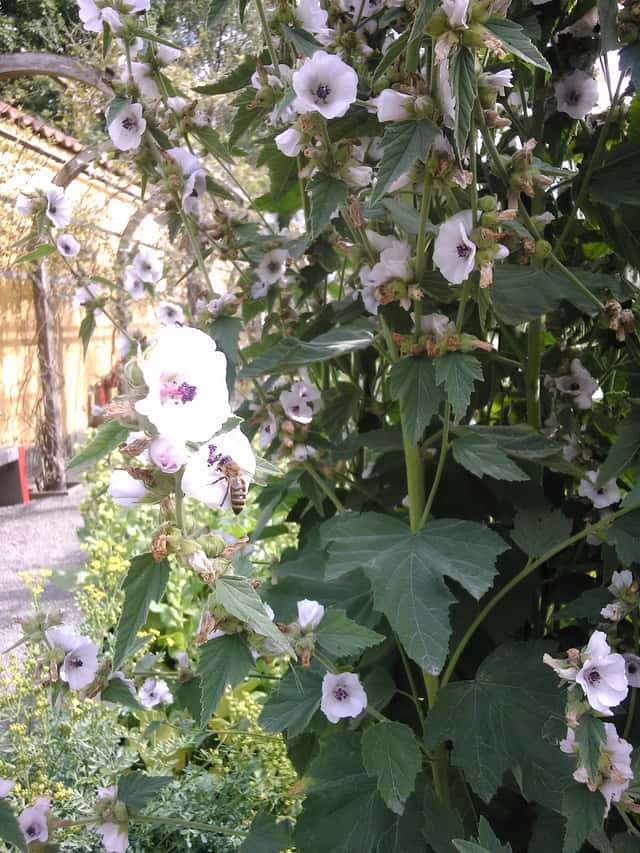
Marshmallow (Althaea officinalis) is a easy-care plant from the Malvaceae family. Althaea officinalis, commonly known as marshmallow, is a perennial herbaceous medicinal plant in the family Malvaceae, native to Europe and western Asia. It produces delicate white-pink flowers in summer and has been valued for its therapeutic properties for millennia, particularly for soothing resp...
Marshmallow grows up to 1.8m, spread of 90cm, watering every 7 days, -25°C – 35°C. It is not suitable for indoor environments and safe for pets.
Unlike many tropical plants, Marshmallow tolerates watering mistakes. Best for beginners. Unlike many popular species, Marshmallow is safe to keep around pets.
How to Care for Marshmallow?
TLDR: Marshmallow needs Bright indirect, watering every 7 days, and temperatures between -25-35°C with 40-70% humidity.
How Often Should You Water Marshmallow?
Water weekly, keeping the soil consistently moist but well-drained. Avoid waterlogging, as roots are susceptible to rot in stagnant conditions.
How Much Light Does Marshmallow Need?
Prefers full sun with at least 6 to 8 hours of direct sunlight per day. Can tolerate light partial shade, especially in very hot climates.
What Is the Best Soil for Marshmallow?
Prefers loamy to clay soils rich in organic matter, with a pH of 6.0 to 7.5. Tolerates slightly saline soils and can grow in moist areas near water.
Care Schedule
Fertilize
Every 14 days
Misting
Every 3 days
Rotate
Every 7 days
Repot
Every 365 days
What Is Marshmallow and Where Does It Come From?
Althaea officinalis, commonly known as marshmallow, is a perennial herbaceous medicinal plant in the family Malvaceae, native to Europe and western Asia. It produces delicate white-pink flowers in summer and has been valued for its therapeutic properties for millennia, particularly for soothing respiratory and digestive irritations.
How Big Does Marshmallow Grow?
TLDR: Marshmallow can reach up to 1.8m tall with Medium growth rate.
Max height
1.8m
Spread
90cm
Growth rate
Medium
Foliage
Deciduous
Plant Uses
Medicinal
Medicinal properties
Edible
Can be consumed
Ornamental
Great for decoration
Medicinal Uses
- Soothes sore throats and coughs
- Treats gastritis and stomach ulcers
- Natural anti-inflammatory for respiratory tract
- Relieves digestive and intestinal issues
Culinary Uses
- Young leaves can be eaten raw in salads
- Flowers used as edible garnish
- Roots cooked as a vegetable
- Seeds are edible
Is your plant showing symptoms?
Click on the symptom to discover possible causes:
What Diseases Commonly Affect Marshmallow?
TLDR: Marshmallow is susceptible to 3 known diseases. Monitor regularly for early detection.
Rust
Rust is a common fungal disease caused by fungi in the order Pucciniales that affects a wide variety of plants. The disease gets its name from the characteristic orange, yellow, or reddish-brown pustules that appear on leaves, resembling metal rust. This obligate fungal parasite requires living plants to survive and can cause significant economic losses in agricultural crops.
Powdery Mildew
Powdery mildew is a common fungal disease caused by various fungi species including Erysiphe, Podosphaera, Oïdium, and Leveillula. It affects over 10,000 plant species worldwide. The disease thrives in warm, dry climates with high humidity and appears as a distinctive white powdery coating on plant surfaces.
Fusarium Wilt
Fusarium wilt is a serious fungal disease caused by the soil-borne fungus Fusarium oxysporum. The fungus invades roots and blocks the water-conducting vessels (xylem) of the plant, causing progressive wilting and eventual death. Host-specific forms of the pathogen exist that attack different plant species.
Fun Facts
The root of this plant was the original ingredient in modern marshmallow candies — the sweet treat is named after this plant!
Used in medicine for over 2,000 years due to its high mucilage content
All parts of the plant are edible: roots, leaves, flowers, and seeds
Compare with similar plants
| Attribute | Difficulty | Light | Watering | Pet Safe |
|---|---|---|---|---|
| Field Maple | Easy | Bright indirect | 14d | ✓ |
| Silver Birch | Easy | Direct sun | 14d | ✓ |
| Cushion Bush | Easy | Direct sun | 14d | ✓ |
| Peruvian peppertree | Easy | Direct sun | 14d | ⚠️ |
Choose & Compare
Sources & References
- Althaea officinalis Marsh Mallow - PFAF Plant Database
- How to Plant, Grow, and Care for Marshmallow Plant - Epic Gardening
- Marshmallow Plant (Althaea Officinalis): Growing Guide, Care, Problems, and Harvest - Morning Chores
- Althaea officinalis - Wikipedia
- How to Grow Marshmallow (Althaea officinalis) - Permaculture Plants
- Plant FAQs: Althaea Officinalis - Marshmallow Plant - Monsteraholic





