Asteraceae
Wild Lettuce (Lactuca virosa) – Complete Care Guide
Lactuca virosa
Wild Lettuce is a low-maintenance biennial that thrives in full sun with well-draining, sandy loam soil. Water regularly during dry spells but allow the soil surface to dry slightly between waterings. Fertilise every 2–3 weeks during the growing season with a nitrogen-rich feed. It tolerates light frost and adapts to a range of soil conditions including poor or rocky ground. Deadhead spent flowers to control self-seeding.
Every 7 days
Direct sun
-15° - 35°C
40% - 70%
Categories
What is Wild Lettuce?
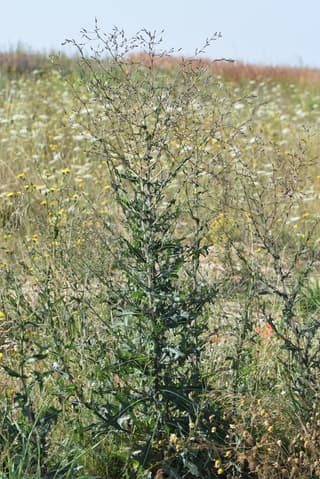
Wild Lettuce (Lactuca virosa) is a medium-care plant from the Asteraceae family. Lactuca virosa, commonly known as Wild Lettuce or Opium Lettuce, is a biennial herb native to central and southern Europe. Reaching up to 2 metres in height, it produces a rosette of leaves in its first year before sending up a tall flowering stalk in its second. The plant exudes a milky white latex...
Wild Lettuce grows up to 2.0m, spread of 60cm, watering every 7 days, -15°C – 35°C, 40–70% humidity. It is not suitable for indoor environments and not safe for pets.
Without precautions, ingestion can cause irritation in pets. Keep out of reach of cats and dogs.
How to Care for Wild Lettuce?
TLDR: Wild Lettuce needs Direct sun, watering every 7 days, and temperatures between -15-35°C with 40-70% humidity.
How Often Should You Water Wild Lettuce?
Water regularly to keep the soil consistently moist but never waterlogged. Once established, Wild Lettuce is drought-tolerant and only needs supplemental watering during prolonged dry periods. Avoid wetting the foliage to prevent fungal disease.
How Much Light Does Wild Lettuce Need?
Requires at least 6–8 hours of direct sunlight per day. Full sun is strongly preferred; partial shade is tolerated but may result in weak, elongated stems. It cannot grow in full shade.
What Is the Best Soil for Wild Lettuce?
Prefers light, sandy or loamy well-draining soil enriched with organic matter. Adapts well to poor or rocky soils. Ideal pH range is 6.0–7.5. Avoid heavy clay or waterlogged conditions.
What Pot Should You Use for Wild Lettuce?
Terra cotta or ceramic pots with good drainage holes; deep containers (at least 30 cm) to accommodate its taproot. Not ideal as a long-term container plant due to its height.
What Is Wild Lettuce and Where Does It Come From?
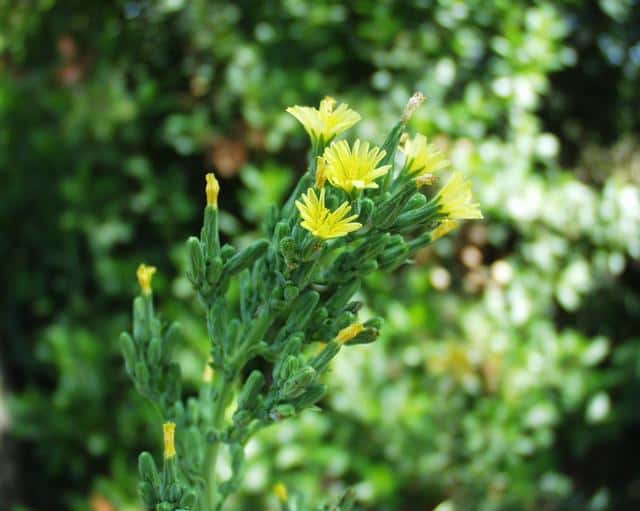
Lactuca virosa, commonly known as Wild Lettuce or Opium Lettuce, is a biennial herb native to central and southern Europe. Reaching up to 2 metres in height, it produces a rosette of leaves in its first year before sending up a tall flowering stalk in its second. The plant exudes a milky white latex when cut, known historically as lactucarium, and has been used for centuries as a mild sedative and analgesic. Its yellow flowers bloom in summer, attracting pollinators. Despite its common name, it contains no true opiates but does produce bitter compounds — lactucin and lactucopicrin — that act on the nervous system.
How to Propagate Wild Lettuce?
Seed Sowing
Wild Lettuce self-seeds freely — deadhead spent flowers if you want to control spread. Autumn sowing directly in situ also works well in mild climates.
- 1 Collect seeds from mature second-year plants in late summer or autumn.
- 2 Surface-sow seeds in spring directly in the ground or in seed trays, barely covering with soil.
- 3 For spring sowing, cold-stratify seeds in the refrigerator for 2–3 weeks before sowing.
- 4 Keep the soil lightly moist and in a sunny position; germination occurs within 7–14 days.
- 5 Thin seedlings to 30–40 cm apart once they reach 5 cm tall.
Materials needed:
How Big Does Wild Lettuce Grow?
TLDR: Wild Lettuce can reach up to 2.0m tall with Fast growth rate.
Max height
2.0m
Spread
60cm
Growth rate
Fast
Foliage
Deciduous
Warning: Toxic Plant
This plant can be toxic if ingested. Keep out of reach of:
Plant Uses
Medicinal
Medicinal properties
Ornamental
Great for decoration
Medicinal Uses
- Mild sedative and analgesic (lactucarium)
- Historically used for insomnia, anxiety, and pain relief
- Antispasmodic and diuretic properties reported in herbal tradition
Culinary Uses
- Young leaves eaten raw or cooked (very bitter)
- Seed oil used historically for cooking
Is your plant showing symptoms?
Click on the symptom to discover possible causes:
What Diseases Commonly Affect Wild Lettuce?
TLDR: Wild Lettuce is susceptible to 8 known diseases. Monitor regularly for early detection.
Aphids
Aphids are small, soft-bodied, pear-shaped insects (1/16 to 1/8 inch long) that feed by sucking nutrient-rich sap from plants. They reproduce rapidly and can quickly weaken plants, causing distorted growth and transmitting plant viruses. Aphids come in various colors including green, black, red, yellow, brown, and gray. They secrete honeydew, a sticky substance that attracts ants and encourages sooty mold growth.
Caterpillars
Caterpillars are the larval stage of moths and butterflies that feed voraciously on plant foliage, stems, flowers, and fruits. Common species include cabbage loopers, tomato hornworms, armyworms, and cutworms. These pests can cause extensive damage by consuming large amounts of plant tissue in a short time. They vary in size from small (1/4 inch) to large (5 inches), with colors ranging from green to brown, often featuring stripes or spots. Caterpillars are highly mobile and can quickly spread throughout gardens, making them one of the most destructive common pests.
Slugs and Snails
Slugs and snails are mollusks that feed on plant tissue, causing irregular holes in leaves and damage to young seedlings. They are most active at night and in moist conditions, leaving characteristic silvery slime trails. These pests can quickly devastate gardens, especially during wet seasons.
Downy Mildew
Downy mildew is a fungal-like disease caused by oomycetes (water molds) that thrives in cool, wet conditions. It affects a wide range of plants, causing yellowing leaves with fuzzy white-gray growth underneath, leading to defoliation and reduced yields if left untreated.
Meaning & Symbolism
Historically associated with sleep, dreams, and the mysteries of the night in European folk tradition. Used as a symbol of healing and relief from pain.
Fun Facts
Wild Lettuce can grow up to 2 metres tall in its second year, towering over most garden herbs.
The milky sap (lactucarium) was used in Victorian medicine as a substitute for opium to soothe coughs and aid sleep.
Despite being called "Opium Lettuce," it contains no actual opiates — its sedative effect comes from bitter sesquiterpene lactones.
Lactuca virosa is used by plant breeders as a disease-resistance donor for cultivated lettuce (Lactuca sativa).
Frequently asked questions
How often should I water Wild Lettuce?
Is Wild Lettuce toxic to humans or pets?
How much light does Wild Lettuce need?
How do I propagate Wild Lettuce?
What pests affect Wild Lettuce?
Compare with similar plants
| Attribute | Difficulty | Light | Watering | Pet Safe |
|---|---|---|---|---|
| Azalea | Medium | Partial shade | 3d | ⚠️ |
| Cape Primrose | Medium | Partial shade | 7d | ✓ |
| Honey Locust | Medium | Direct sun | 14d | ✓ |
| Prickly Lettuce | Easy | Direct sun | 7d | ✓ |