Amaryllidaceae
Ornamental Onion (Allium)
Allium
Plant in full sun with well-draining soil. Water moderately during active growth, reducing significantly during dormancy. Fertilize monthly in spring. Drought-tolerant once established; low maintenance overall.
Every 10 days
Bright indirect
-15° - 30°C
40% - 70%
Categories
What is Ornamental Onion?
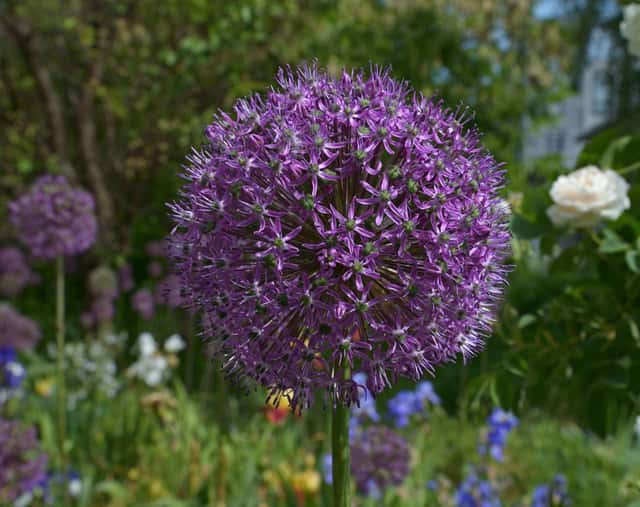
Ornamental Onion (Allium) is a easy-care plant from the Amaryllidaceae family. Allium is a large genus of bulbous flowering plants in the family Amaryllidaceae, comprising approximately 700 species including ornamental garden plants as well as culinary staples such as onion, garlic, and chives. Ornamental alliums produce striking spherical flower heads in shades of purple, pin...
Ornamental Onion grows up to 1.2m, spread of 60cm, watering every 10 days, -15°C – 30°C, 40–70% humidity. It is not suitable for indoor environments and not safe for pets.
Unlike many tropical plants, Ornamental Onion tolerates watering mistakes. Best for beginners. Without precautions, ingestion can cause irritation in pets. Keep out of reach of cats and dogs.
How to Care for Ornamental Onion?
TLDR: Ornamental Onion needs Bright indirect, watering every 10 days, and temperatures between -15-30°C with 40-70% humidity.
How Often Should You Water Ornamental Onion?
Water every 10 days during the growing season. Reduce watering once foliage begins to yellow after flowering. Avoid waterlogged soil which causes bulb rot.
How Much Light Does Ornamental Onion Need?
Thrives in full sun (minimum 6 hours daily). Tolerates light shade, but flowers will be less vibrant and stems may lean toward the light.
What Is the Best Soil for Ornamental Onion?
Use well-draining, slightly acidic to neutral soil (pH 5.5–7.0). Amend with sand or grit to improve drainage. Avoid heavy clay soils that retain moisture around the bulb.
What Pot Should You Use for Ornamental Onion?
Terracotta or ceramic pots with drainage holes. For taller ornamental species, use deep containers at least 25 cm (10 in) deep.
Care Schedule
Fertilize
Every 30 days
What Is Ornamental Onion and Where Does It Come From?
Allium is a large genus of bulbous flowering plants in the family Amaryllidaceae, comprising approximately 700 species including ornamental garden plants as well as culinary staples such as onion, garlic, and chives. Ornamental alliums produce striking spherical flower heads in shades of purple, pink, white, and yellow, and are prized in gardens and cut flower arrangements alike.
How Big Does Ornamental Onion Grow?
TLDR: Ornamental Onion can reach up to 1.2m tall with Medium growth rate.
Max height
1.2m
Spread
60cm
Growth rate
Medium
Foliage
Deciduous
Warning: Toxic Plant
This plant can be toxic if ingested. Keep out of reach of:
Plant Uses
Ornamental
Great for decoration
Edible
Can be consumed
Culinary Uses
- Edible species like chives (A. schoenoprasum), garlic (A. sativum), and onions (A. cepa) are culinary staples worldwide.
Is your plant showing symptoms?
Click on the symptom to discover possible causes:
What Diseases Commonly Affect Ornamental Onion?
TLDR: Ornamental Onion is susceptible to 12 known diseases. Monitor regularly for early detection.
Fusarium Wilt
Fusarium wilt is a serious fungal disease caused by the soil-borne fungus Fusarium oxysporum. The fungus invades roots and blocks the water-conducting vessels (xylem) of the plant, causing progressive wilting and eventual death. Host-specific forms of the pathogen exist that attack different plant species.
Downy Mildew
Downy mildew is a fungal-like disease caused by oomycetes (water molds) that thrives in cool, wet conditions. It affects a wide range of plants, causing yellowing leaves with fuzzy white-gray growth underneath, leading to defoliation and reduced yields if left untreated.
White Mold
White mold (Sclerotinia sclerotiorum) is a devastating fungal disease affecting over 400 plant species worldwide. The fungus produces black, seed-like structures (sclerotia) that can survive in soil for 5 or more years. The disease is favored by cool, moist weather (50-68°F/10-20°C), especially during flowering.
Leafminers
Leafminers are the larvae of various insects including flies, moths, sawflies, and beetles that tunnel between leaf surfaces, creating distinctive serpentine trails or blotchy patches. While primarily cosmetic, severe infestations can weaken plants by reducing photosynthesis capacity and making them susceptible to secondary infections.
Meaning & Symbolism
Alliums symbolize good fortune, prosperity, and unity. Their bold, globe-shaped blooms represent courage and strength in many cultures, standing tall and proud above the garden border.
Fun Facts
Allium belongs to the same family as garlic and onion; some ornamental species like A. giganteum produce flower heads up to 20 cm (8 in) across.
Despite being toxic to cats and dogs, allium flowers are superb pollinator attractors, especially for bees and butterflies.
Dried allium seed heads retain their shape for months and are popular in dried flower arrangements.
Frequently asked questions
Are alliums toxic to pets?
When do alliums bloom?
Can I grow alliums in containers?
Compare with similar plants
| Attribute | Difficulty | Light | Watering | Pet Safe |
|---|---|---|---|---|
| Field Maple | Easy | Bright indirect | 14d | ✓ |
| Silver Birch | Easy | Direct sun | 14d | ✓ |
| Cushion Bush | Easy | Direct sun | 14d | ✓ |
| Peruvian peppertree | Easy | Direct sun | 14d | ⚠️ |