Asteraceae
Iceberg lettuce: Edible Plant
Lactuca sativa
Grow in soil rich in organic matter, maintain constant moisture, and ensure good sun exposure in mild climates.
Every 7 days
Partial shade
7° - 24°C
40% - 70%
Categories
What is Iceberg lettuce?
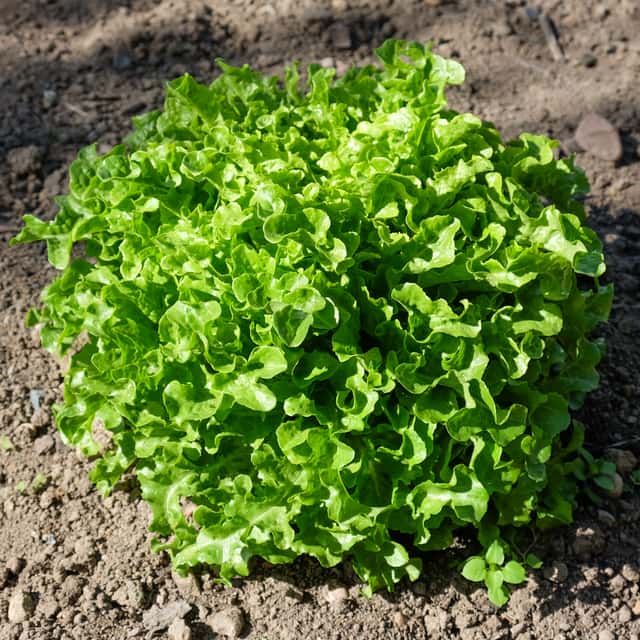
Iceberg lettuce (Lactuca sativa) is a easy-care plant from the Asteraceae family. Lactuca sativa, specifically the Iceberg variety, is characterized by its light green, extremely crisp leaves that grow in a compact, rounded head similar to a cabbage. It is widely valued in culinary arts for its firm texture and post-harvest heat resistance.
Iceberg lettuce grows up to 30cm, spread of 25cm, watering every 7 days, 7°C – 24°C, 40–70% humidity. It is suitable for indoor environments and safe for pets.
Unlike many tropical plants, Iceberg lettuce tolerates watering mistakes. Best for beginners. Unlike many popular species, Iceberg lettuce is safe to keep around pets. Without adequate drainage, root rot can develop within 14 days.
How to Care for Iceberg lettuce?
TLDR: Iceberg lettuce needs Partial shade, watering every 7 days, and temperatures between 7-24°C with 40-70% humidity.
How Often Should You Water Iceberg lettuce?
Water regularly to keep the soil moist, but avoid wetting the center of the head to prevent rot.
How Much Light Does Iceberg lettuce Need?
Prefers full sun, but in tropical climates, partial shade during the hottest hours of the day prevents the leaves from becoming bitter.
What Is the Best Soil for Iceberg lettuce?
The soil should be loose and nitrogen-rich to promote rapid leaf growth.
What Pot Should You Use for Iceberg lettuce?
Wide and shallow pots (minimum 8 inches/20cm deep) or garden beds with excellent drainage.
Care Schedule
Fertilize
Every 30 days
What Is Iceberg lettuce and Where Does It Come From?
Lactuca sativa, specifically the Iceberg variety, is characterized by its light green, extremely crisp leaves that grow in a compact, rounded head similar to a cabbage. It is widely valued in culinary arts for its firm texture and post-harvest heat resistance.
How to Propagate Iceberg lettuce?
Sowing
- Do not bury the seeds too deep, as they need some light to germinate.
- Thin the seedlings once they have developed 4 true leaves.
- 1 Soil preparation
Prepare a light substrate rich in organic compost.
- 2 Sowing
Place the seeds 1/4 inch (0.5 cm) deep and cover lightly.
- 3 Moisture
Keep the soil constantly moist using a spray bottle until germination occurs.
Materials needed:
How Big Does Iceberg lettuce Grow?
TLDR: Iceberg lettuce can reach up to 30cm tall with Fast growth rate.
Max height
30cm
Spread
25cm
Growth rate
Fast
Foliage
Deciduous
Plant Uses
Edible
Can be consumed
Medicinal Uses
- Mild sedative properties
- Hydration aid
Culinary Uses
- Salads
- Sandwiches
- Lettuce wraps
- Garnish
Is your plant showing symptoms?
Click on the symptom to discover possible causes:
What Diseases Commonly Affect Iceberg lettuce?
TLDR: Iceberg lettuce is susceptible to 16 known diseases. Monitor regularly for early detection.
Powdery Mildew
Powdery mildew is a common fungal disease caused by various fungi species including Erysiphe, Podosphaera, Oïdium, and Leveillula. It affects over 10,000 plant species worldwide. The disease thrives in warm, dry climates with high humidity and appears as a distinctive white powdery coating on plant surfaces.
Anthracnose
Anthracnose is a fungal disease caused by fungi in the genus Colletotrichum that affects many plants, including vegetables, fruits, and trees. The disease thrives in cool, wet conditions, causing dark, sunken lesions on leaves, stems, flowers, and fruits.
Damping Off
Damping off is a soil-borne fungal disease that affects seeds and young seedlings, causing rotting of stem and root tissues at and below the soil line. It is caused by several fungi including Pythium, Rhizoctonia, Fusarium, and Phytophthora. The disease thrives in cold, wet conditions with poor air circulation.
Downy Mildew
Downy mildew is a fungal-like disease caused by oomycetes (water molds) that thrives in cool, wet conditions. It affects a wide range of plants, causing yellowing leaves with fuzzy white-gray growth underneath, leading to defoliation and reduced yields if left untreated.
Meaning & Symbolism
Often associated with fertility, freshness, and the renewal of life.
Compare with similar plants
| Attribute | Difficulty | Light | Watering | Pet Safe |
|---|---|---|---|---|
| Field Maple | Easy | Bright indirect | 14d | ✓ |
| Silver Birch | Easy | Direct sun | 14d | ✓ |
| Cushion Bush | Easy | Direct sun | 14d | ✓ |
| Wild Lettuce | Medium | Direct sun | 7d | ⚠️ |





