Fabaceae
Lentil (Vicia lens): Complete Growing Guide
Vicia lens
Grow in full sun with well-drained, fertile soil. Water weekly, reducing irrigation as pods mature. Tolerant of drought and moderate frost.
Every 7 days
Direct sun
-6° - 32°C
40% - 70%
Categories
What is Lentil?
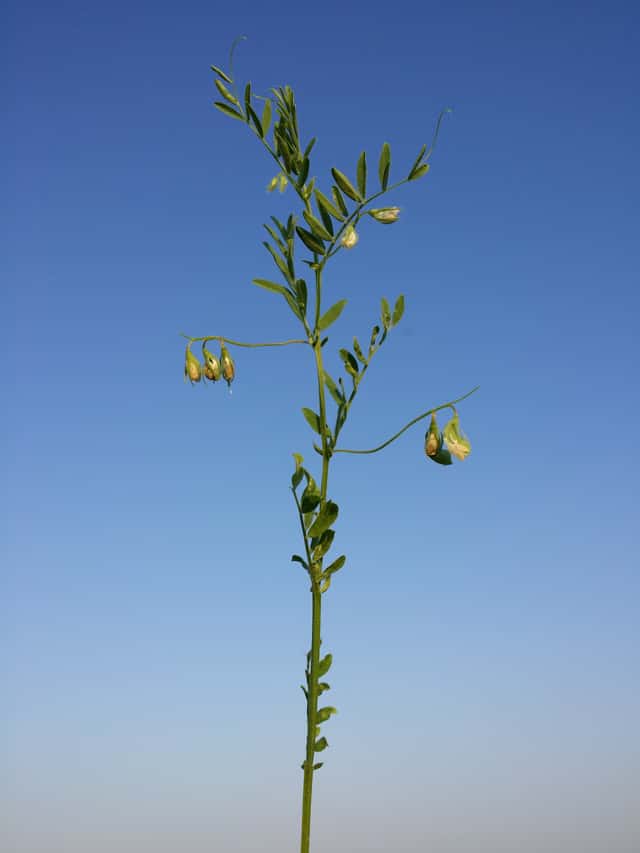
Lentil (Vicia lens) is a easy-care plant from the Fabaceae family. The lentil (Vicia lens) is an annual legume native to Southwest Asia and the Mediterranean, cultivated for over 9,000 years. A short-cycle crop producing small protein- and fiber-rich seeds, it is one of the oldest food plants in human history.
Lentil grows up to 75cm, spread of 30cm, watering every 7 days, -6°C – 32°C, 40–70% humidity. It is not suitable for indoor environments and safe for pets.
Unlike many tropical plants, Lentil tolerates watering mistakes. Best for beginners. Unlike many popular species, Lentil is safe to keep around pets.
How to Care for Lentil?
TLDR: Lentil needs Direct sun, watering every 7 days, and temperatures between -6-32°C with 40-70% humidity.
How Often Should You Water Lentil?
Water once a week. Avoid waterlogged soil, which causes root rot. Reduce watering when pods begin to dry.
How Much Light Does Lentil Need?
Requires full sun with at least 8 hours of direct light per day. Does not grow well in shaded spots.
What Is the Best Soil for Lentil?
Prefers well-drained, slightly sandy or loamy soil with a pH between 5.5 and 7.5. Does not tolerate waterlogged conditions.
What Pot Should You Use for Lentil?
Raised bed, clay pot, or deep container with good drainage
Care Schedule
Fertilize
Every 30 days
What Is Lentil and Where Does It Come From?
The lentil (Vicia lens) is an annual legume native to Southwest Asia and the Mediterranean, cultivated for over 9,000 years. A short-cycle crop producing small protein- and fiber-rich seeds, it is one of the oldest food plants in human history.
How to Propagate Lentil?
Direct sowing
Plant after last frost. Inoculate seeds with rhizobium for better nitrogen fixation.
- 1 Loosen soil to 15 cm depth
- 2 Sow seeds 2-3 cm deep and 5 cm apart
- 3 Water gently after sowing
- 4 Keep soil moist until germination
- 5 Thin to 12 cm between plants after sprouting
Materials needed:
How Big Does Lentil Grow?
TLDR: Lentil can reach up to 75cm tall with Fast growth rate.
Max height
75cm
Spread
30cm
Growth rate
Fast
Foliage
Deciduous
Plant Uses
Edible
Can be consumed
Culinary Uses
- Soups and stews
- Grain salads
- Purees and spreads
- Vegetarian dishes
- Dal and curries
Is your plant showing symptoms?
Click on the symptom to discover possible causes:
What Diseases Commonly Affect Lentil?
TLDR: Lentil is susceptible to 7 known diseases. Monitor regularly for early detection.
Root Rot
Root rot is a serious fungal disease that affects the root system of plants, causing them to decay and die. It is primarily caused by overwatering, poor drainage, or soil-borne fungi such as Pythium, Phytophthora, Rhizoctonia, and Fusarium. The disease thrives in waterlogged conditions where roots are deprived of oxygen, making them susceptible to fungal infection.
White Mold
White mold (Sclerotinia sclerotiorum) is a devastating fungal disease affecting over 400 plant species worldwide. The fungus produces black, seed-like structures (sclerotia) that can survive in soil for 5 or more years. The disease is favored by cool, moist weather (50-68°F/10-20°C), especially during flowering.
Anthracnose
Anthracnose is a fungal disease caused by fungi in the genus Colletotrichum that affects many plants, including vegetables, fruits, and trees. The disease thrives in cool, wet conditions, causing dark, sunken lesions on leaves, stems, flowers, and fruits.
Aphids
Aphids are small, soft-bodied, pear-shaped insects (1/16 to 1/8 inch long) that feed by sucking nutrient-rich sap from plants. They reproduce rapidly and can quickly weaken plants, causing distorted growth and transmitting plant viruses. Aphids come in various colors including green, black, red, yellow, brown, and gray. They secrete honeydew, a sticky substance that attracts ants and encourages sooty mold growth.
Meaning & Symbolism
The lentil symbolizes abundance, good luck, and prosperity. It is traditionally eaten on New Year's Eve in many cultures to attract wealth.
Fun Facts
Lentils have been cultivated for over 9,000 years, making them one of the first plants domesticated by humans
Lentil plants fix nitrogen in the soil through symbiotic bacteria (rhizobium), improving soil fertility
One cup of cooked lentils provides around 18g of plant protein
Lentils appear in the Bible: Esau sold his birthright for a bowl of lentil stew
Frequently asked questions
How often should I water lentils?
Can lentils be grown in containers?
When should I plant lentils?
Are lentils toxic to pets?
What are the main diseases of lentils?
Compare with similar plants
| Attribute | Difficulty | Light | Watering | Pet Safe |
|---|---|---|---|---|
| Field Maple | Easy | Bright indirect | 14d | ✓ |
| Silver Birch | Easy | Direct sun | 14d | ✓ |
| Cushion Bush | Easy | Direct sun | 14d | ✓ |
| Peruvian peppertree | Easy | Direct sun | 14d | ⚠️ |