Asteraceae
Eupatorium – Boneset & Hemp-Agrimony Complete Care Guide
Eupatorium
Eupatorium is a hardy, largely self-sufficient plant once established. It requires consistently moist soil, particularly during dry summer spells, and performs best in full sun to partial shade. Regular division every few years maintains vigour. Cut stems back to the ground in late autumn after seeds are shed. Occasional balanced fertiliser in spring encourages robust growth.
Every 5 days
Bright indirect
-15° - 30°C
50% - 80%
Categories
What is Boneset?
Boneset (Eupatorium) is a easy-care plant from the Asteraceae family. Eupatorium is a diverse genus of flowering perennial herbs in the family Asteraceae, encompassing well-known species such as Eupatorium cannabinum (hemp-agrimony), native to Europe and Asia, and Eupatorium perfoliatum (boneset), native to North America. These robust plants produce dense, flat-topped...
Boneset grows up to 1.5m, spread of 90cm, watering every 5 days, -15°C – 30°C, 50–80% humidity. It is not suitable for indoor environments and safe for pets.
Unlike many tropical plants, Boneset tolerates watering mistakes. Best for beginners. Unlike many popular species, Boneset is safe to keep around pets.
How to Care for Boneset?
TLDR: Boneset needs Bright indirect, watering every 5 days, and temperatures between -15-30°C with 50-80% humidity.
How Often Should You Water Boneset?
Water Eupatorium regularly during the first growing season to establish deep roots. Mature plants tolerate brief dry spells but perform best with evenly moist soil, especially during late-summer flowering. Water at the base to avoid wetting foliage, which can encourage powdery mildew. Reduce watering in winter when dormant.
How Much Light Does Boneset Need?
Eupatorium thrives in full sun to partial shade, requiring at least 4–6 hours of direct sunlight daily for optimal flowering. In hotter climates, light afternoon shade prevents leaf scorch. Plants in too much shade become leggy, produce fewer flowers, and are more susceptible to powdery mildew. Plant in an open spot with good air circulation.
What Is the Best Soil for Boneset?
Plant Eupatorium in moist, fertile, humus-rich loamy soil. It tolerates clay soils and periodic waterlogging, making it excellent for rain gardens and boggy borders. Amend sandy soils with well-rotted compost before planting. Ideal pH is 5.5–7.0. Mulching helps retain moisture and suppress weeds.
What Pot Should You Use for Boneset?
Eupatorium grows best outdoors in garden borders. If containerised, use a large pot (minimum 30 cm diameter) with moisture-retaining compost to accommodate the vigorous root system.
Care Schedule
Fertilize
Every 30 days
What Is Boneset and Where Does It Come From?
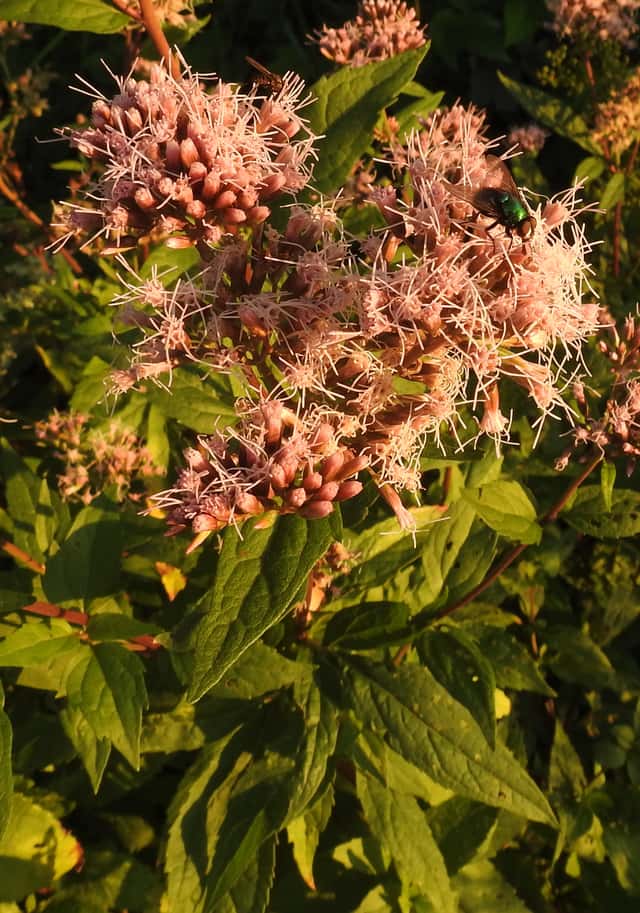
Eupatorium is a diverse genus of flowering perennial herbs in the family Asteraceae, encompassing well-known species such as Eupatorium cannabinum (hemp-agrimony), native to Europe and Asia, and Eupatorium perfoliatum (boneset), native to North America. These robust plants produce dense, flat-topped clusters of small fluffy flowers in white, pink, and mauve, highly attractive to butterflies, bees, and pollinators. Typically growing 1–1.5 metres tall, Eupatorium thrives in moist, humus-rich soils and tolerates wet ground, making it ideal for rain gardens, pond margins, and naturalistic borders. The genus has a rich ethnobotanical history: boneset was extensively used by Native Americans and colonial physicians to treat fevers and influenza, while hemp-agrimony has featured in European herbal medicine for centuries.
How to Propagate Boneset?
Root Division
Divide every 3-4 years to prevent overcrowding and maintain plant vigour. This is the easiest and most reliable method.
- 1 Dig up the entire clump in early spring before new growth emerges
- 2 Use a sharp spade to divide into sections each with healthy shoots and roots
- 3 Replant divisions immediately at the same depth in moist prepared soil
- 4 Water thoroughly and keep moist until established
Materials needed:
Seed Propagation
Cold stratify seeds for 4-6 weeks before sowing to improve germination rates. Self-seeding is common in suitable garden conditions.
- 1 Collect ripe seed heads in autumn and allow to dry fully
- 2 Surface sow in moist seed compost in early spring - do not cover as seeds need light to germinate
- 3 Place in a cold frame or unheated greenhouse
- 4 Prick out seedlings into individual pots when large enough to handle
- 5 Grow on and transplant to final positions in autumn
Materials needed:
How Big Does Boneset Grow?
TLDR: Boneset can reach up to 1.5m tall with Medium growth rate.
Max height
1.5m
Spread
90cm
Growth rate
Medium
Foliage
Deciduous
Warning: Toxic Plant
This plant can be toxic if ingested. Keep out of reach of:
Plant Uses
Ornamental
Great for decoration
Medicinal
Medicinal properties
Medicinal Uses
- Eupatorium perfoliatum was used by Native Americans and colonial physicians to treat influenza, fevers, and rheumatic pain
- Eupatorium cannabinum has been used in European herbal medicine as a liver tonic, diuretic, and immune-stimulating herb
- Both species contain immunostimulant polysaccharides and flavonoids
- Modern research has investigated anti-inflammatory and antiviral properties
- Always consult a qualified herbalist before using any plant medicinally
Is your plant showing symptoms?
Click on the symptom to discover possible causes:
What Diseases Commonly Affect Boneset?
TLDR: Boneset is susceptible to 6 known diseases. Monitor regularly for early detection.
Powdery Mildew
Powdery mildew is a common fungal disease caused by various fungi species including Erysiphe, Podosphaera, Oïdium, and Leveillula. It affects over 10,000 plant species worldwide. The disease thrives in warm, dry climates with high humidity and appears as a distinctive white powdery coating on plant surfaces.
Aphids
Aphids are small, soft-bodied, pear-shaped insects (1/16 to 1/8 inch long) that feed by sucking nutrient-rich sap from plants. They reproduce rapidly and can quickly weaken plants, causing distorted growth and transmitting plant viruses. Aphids come in various colors including green, black, red, yellow, brown, and gray. They secrete honeydew, a sticky substance that attracts ants and encourages sooty mold growth.
Spider Mites
Spider mites are tiny arachnids (less than 1/20 inch long) related to spiders and ticks that feed on plant sap. They thrive in hot, dry conditions and can cause significant damage to ornamental and vegetable plants. During severe infestations, crop losses can reach 14% or higher as these pests disrupt vital plant processes including photosynthesis, carbon dioxide absorption, and transpiration.
Rust
Rust is a common fungal disease caused by fungi in the order Pucciniales that affects a wide variety of plants. The disease gets its name from the characteristic orange, yellow, or reddish-brown pustules that appear on leaves, resembling metal rust. This obligate fungal parasite requires living plants to survive and can cause significant economic losses in agricultural crops.
Meaning & Symbolism
Eupatorium species symbolise healing, protection, and resilience in Western herbalism and folklore. Boneset earned its name from treating break-bone fever (dengue), representing nature's power to restore health. Hemp-agrimony has been used in European folk traditions to attract positive energy and ward off negativity.
Fun Facts
Eupatorium perfoliatum gets its name from break-bone fever (dengue) treatment - not from literally mending bones
Hemp-agrimony is one of the top nectar sources for butterflies in the UK, attracting Red Admirals and Painted Ladies
Some Eupatorium species can grow up to 1.5 metres tall in a single growing season from established roots
The genus is named after Mithridates Eupator, King of Pontus, said to have used a related plant as an antidote to poison
Frequently asked questions
How often should I water Eupatorium?
Is Eupatorium toxic?
When does Eupatorium flower?
How do I prevent powdery mildew on Eupatorium?
Can I grow Eupatorium in a pot?
Compare with similar plants
| Attribute | Difficulty | Light | Watering | Pet Safe |
|---|---|---|---|---|
| Field Maple | Easy | Bright indirect | 14d | ✓ |
| Silver Birch | Easy | Direct sun | 14d | ✓ |
| Cushion Bush | Easy | Direct sun | 14d | ✓ |
| Wild Lettuce | Medium | Direct sun | 7d | ⚠️ |





