Liliaceae
Lily (Lilium): How to Grow and Care For True Lilies
Lilium
Plant bulbs in well-drained soil with a pH of 6–7, in full sun to partial shade. Water every 5–7 days, keeping soil evenly moist but never waterlogged. Fertilize monthly during the growing season. Mulch around bulbs to retain moisture and protect against frost.
Every 6 days
Bright indirect
-20° - 35°C
40% - 70%
Categories
What is Lily (genus)?
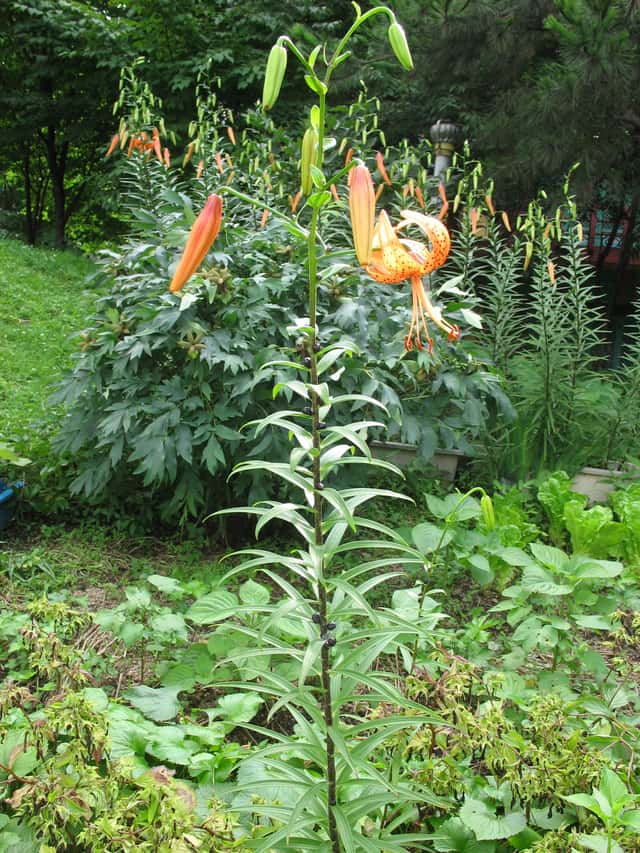
Lily (genus) (Lilium) is a easy-care plant from the Liliaceae family. Lilium is a genus of bulbous flowering plants in the family Liliaceae, comprising over 100 species native to the temperate regions of the Northern Hemisphere. It includes Asiatic, Oriental, and trumpet lilies — among the most popular garden ornamentals worldwide. Lilium species are herbaceous perenn...
Lily (genus) grows up to 1.5m, spread of 45cm, watering every 6 days, -20°C – 35°C, 40–70% humidity. It is not suitable for indoor environments and not safe for pets.
Unlike many tropical plants, Lily (genus) tolerates watering mistakes. Best for beginners. Without precautions, ingestion can cause irritation in pets. Keep out of reach of cats and dogs.
How to Care for Lily (genus)?
TLDR: Lily (genus) needs Bright indirect, watering every 6 days, and temperatures between -20-35°C with 40-70% humidity.
How Often Should You Water Lily (genus)?
Water deeply every 5–7 days, always at the base of the plant to avoid wetting foliage and encouraging fungal disease. Reduce watering after flowering and almost cease during winter dormancy.
How Much Light Does Lily (genus) Need?
Lilies thrive in full sun (6–8 hours daily) but tolerate partial shade, especially in hot climates. Keeping the base shaded by lower-growing plants helps keep bulbs cool.
What Is the Best Soil for Lily (genus)?
Use fertile, well-drained, slightly acidic to neutral soil (pH 6–7). Amend heavy clay with coarse sand or perlite to improve drainage. Poor drainage is the leading cause of bulb rot.
What Pot Should You Use for Lily (genus)?
Terracotta or ceramic pot with drainage holes. Choose a deep pot to accommodate bulbs.
Care Schedule
Fertilize
Every 30 days
What Is Lily (genus) and Where Does It Come From?
Lilium is a genus of bulbous flowering plants in the family Liliaceae, comprising over 100 species native to the temperate regions of the Northern Hemisphere. It includes Asiatic, Oriental, and trumpet lilies — among the most popular garden ornamentals worldwide. Lilium species are herbaceous perennials that die back in winter and re-emerge from their bulbs each spring.
How to Propagate Lily (genus)?
Bulb offset division
Wear gloves when handling bulbs. Discard any soft or rotted bulbs immediately.
- 1 Lift bulbs from soil in autumn after foliage dies back
- 2 Gently separate smaller offset bulbs from the parent bulb
- 3 Replant offsets in prepared soil 15 cm deep
- 4 Water lightly and wait for spring emergence
Materials needed:
Seed propagation
Seed propagation is very slow; bulb division is preferred for faster results.
- 1 Collect ripe seeds after flowering
- 2 Sow in moist, well-drained seed compost
- 3 Keep in a cool, bright location
- 4 Transplant seedlings after 1 year
Materials needed:
How Big Does Lily (genus) Grow?
TLDR: Lily (genus) can reach up to 1.5m tall with Medium growth rate.
Max height
1.5m
Spread
45cm
Growth rate
Medium
Foliage
Deciduous
Warning: Toxic Plant
This plant can be toxic if ingested. Keep out of reach of:
Plant Uses
Ornamental
Great for decoration
Is your plant showing symptoms?
Click on the symptom to discover possible causes:
What Diseases Commonly Affect Lily (genus)?
TLDR: Lily (genus) is susceptible to 6 known diseases. Monitor regularly for early detection.
Gray Mold (Botrytis Blight)
Gray mold, caused by the fungus Botrytis cinerea, is one of the most common fungal diseases in plants. It affects over 200 plant species, including ornamentals, vegetables, fruits, and houseplants. The disease thrives in cool, humid conditions with poor air circulation, causing grayish spots and soft rot on infected tissues.
Root Rot
Root rot is a serious fungal disease that affects the root system of plants, causing them to decay and die. It is primarily caused by overwatering, poor drainage, or soil-borne fungi such as Pythium, Phytophthora, Rhizoctonia, and Fusarium. The disease thrives in waterlogged conditions where roots are deprived of oxygen, making them susceptible to fungal infection.
Mosaic Virus
Mosaic virus is a group of plant viruses that cause mottled, patchy patterns on leaves and can affect a wide variety of plants. The virus creates characteristic yellow, white, and green mosaic patterns, often accompanied by stunted growth and deformed plant parts. This highly contagious disease spreads rapidly through insect vectors and contaminated tools.
Fusarium Wilt
Fusarium wilt is a serious fungal disease caused by the soil-borne fungus Fusarium oxysporum. The fungus invades roots and blocks the water-conducting vessels (xylem) of the plant, causing progressive wilting and eventual death. Host-specific forms of the pathogen exist that attack different plant species.
Meaning & Symbolism
Lilies symbolize purity, renewal, and transient beauty. In Christian tradition they are associated with Easter and resurrection. Across cultures they represent innocence and majesty.
Fun Facts
There are over 100 native Lilium species distributed across the Northern Hemisphere, from North America to Asia.
Tiger lilies (Lilium lancifolium) produce aerial bulbils in leaf axils — a unique vegetative propagation strategy.
Oriental lilies produce some of the most intensely fragrant flowers of any garden plant.
Some Lilium bulbs have been used in traditional Chinese cooking and medicine for centuries.
Frequently asked questions
How often should I water lily plants?
Are lilies toxic to cats?
Do lilies need full sun?
When do lilies bloom?
How do I prevent bulb rot?
Compare with similar plants
| Attribute | Difficulty | Light | Watering | Pet Safe |
|---|---|---|---|---|
| Field Maple | Easy | Bright indirect | 14d | ✓ |
| Silver Birch | Easy | Direct sun | 14d | ✓ |
| Cushion Bush | Easy | Direct sun | 14d | ✓ |
| Peruvian peppertree | Easy | Direct sun | 14d | ⚠️ |





