Sapindaceae
Longan: Edible Plant
Dimocarpus longan
Longan requires full sun (minimum 6–8 hours of direct sunlight daily), a warm and humid climate (optimal temperature 18–30°C), and well-draining, fertile soil with a pH of 5.5–6.5. Water regularly, maintaining moderate soil moisture, but never allow waterlogging. Fertilizing with a balanced NPK fertilizer every 3 months during the growing season promotes fruiting. This tree is suitable for outdoor cultivation in USDA hardiness zones 10–12.
Every 7 days
Direct sun
2° - 36°C
50% - 75%
Categories
What is Longan?
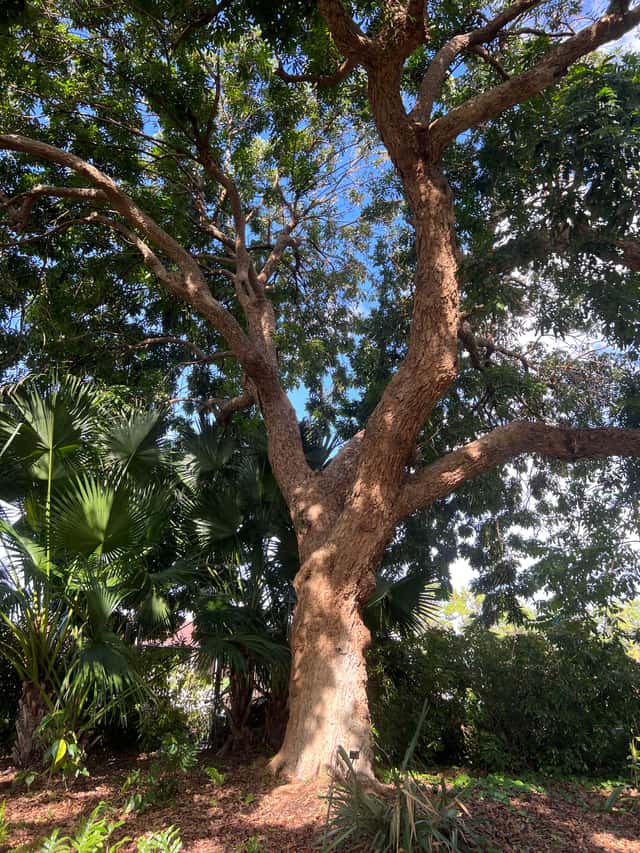
Longan (Dimocarpus longan) is a medium-care plant from the Sapindaceae family. Dimocarpus longan, commonly known as longan or 'dragon's eye,' is an evergreen fruit tree belonging to the soapberry family (Sapindaceae), native to Southeast Asia. It grows up to 12 meters tall, forming a spreading crown with paripinnate, leathery leaves. Small, yellowish-white flowers appear in sp...
Longan grows up to 12.0m, spread of 1370cm, watering every 7 days, 2°C – 36°C, 50–75% humidity. It is not suitable for indoor environments and safe for pets.
Unlike many popular species, Longan is safe to keep around pets.
How to Care for Longan?
TLDR: Longan needs Direct sun, watering every 7 days, and temperatures between 2-36°C with 50-75% humidity.
How Often Should You Water Longan?
Water once a week, thoroughly and evenly, ensuring water reaches deeper roots. During the dry season, before flowering, reduce watering—this encourages flower bud differentiation. Avoid overwatering: longan is sensitive to waterlogging, which quickly leads to root rot. After fruiting, resume regular irrigation.
How Much Light Does Longan Need?
Longan needs full sun for at least 6–8 hours daily. Insufficient light significantly limits fruiting and weakens the tree. Plant in an unshaded location, away from taller buildings and trees. In cooler climates, place it in the warmest, sunniest spot in the garden or against a south-facing wall.
What Is the Best Soil for Longan?
Fertile, well-draining sandy-loam soil with a pH of 5.5–6.5 is best. Longan does not tolerate heavy and waterlogged soils—if necessary, improve drainage by adding perlite or coarse sand. Mulching around the trunk helps retain moisture and regulate soil temperature.
What Pot Should You Use for Longan?
For container cultivation in cooler climates, choose a large pot (minimum 50–60 liters) with numerous drainage holes. Heavy ceramic pots or wooden crates are best, as they provide stability and thermal insulation for the roots. Use a well-draining substrate—a mix of garden soil with sand and perlite (2:1:1). Protect the container from frost in winter.
Care Schedule
Fertilize
Every 90 days
What Is Longan and Where Does It Come From?
Dimocarpus longan, commonly known as longan or 'dragon's eye,' is an evergreen fruit tree belonging to the soapberry family (Sapindaceae), native to Southeast Asia. It grows up to 12 meters tall, forming a spreading crown with paripinnate, leathery leaves. Small, yellowish-white flowers appear in spring in abundant panicles and are faintly aromatic. The fruits—round, with a brown, brittle skin—contain a translucent, sweet pulp surrounding a single shiny, dark brown seed, resembling an eye. Longan is closely related to lychee and rambutan. It is primarily cultivated in China, Thailand, Vietnam, and other tropical countries for its delicious fruits, timber, and numerous medicinal uses.
How to Propagate Longan?
Grafting and Air Layering (Marcottage)
- 1 Select a healthy, two-year-old branch with a diameter of 1–2 cm.
- 2 Make an annular incision (approx. 3 cm wide), removing the bark and cambium.
- 3 Surround the incision with moist sphagnum moss (100–150 g) and wrap with gardening film, sealing the top and bottom tightly.
- 4 After 6–8 weeks, roots visible through the film will appear.
- 5 Cut the branch below the roots, plant in well-draining substrate, and keep in partial shade for 2–4 weeks.
Grafting (Budding and Cleft Grafting)
- 1 Use two-year-old longan seedling rootstocks.
- 2 Apply side-veneer grafting or 'cleft grafting' method.
- 3 Secure the grafting site with gardening tape and film.
- 4 Keep in a moist, warm place (~25°C) for 3–4 weeks until union.
Seed Sowing
- 1 Extract seeds from fresh fruits and remove any pulp residue.
- 2 Sow immediately (seeds lose viability after 4–5 days).
- 3 Cover with soil to a depth of 2–3 cm, maintain moisture and a temperature of approx. 25–28°C.
- 4 Germination occurs after 7–14 days.
How Big Does Longan Grow?
TLDR: Longan can reach up to 12.0m tall with Medium growth rate.
Max height
12.0m
Spread
13.7m
Growth rate
Medium
Foliage
Evergreen
Plant Uses
Edible
Can be consumed
Medicinal
Medicinal properties
Ornamental
Great for decoration
Medicinal Uses
- In Traditional Chinese Medicine (TCM), longan pulp (gui yuan rou / 桂圓肉) is used as a tonic to strengthen the heart and spleen, alleviating palpitations, insomnia, and anxiety.
- Seeds contain saponins and are used externally as an anti-inflammatory and analgesic; applied for headaches and insect bites.
- Leaf and flower extracts show antimicrobial and antioxidant activity in laboratory studies.
- The fruits are a rich source of vitamin C, potassium, and polyphenols, supporting immunity and reducing oxidative stress.
- In Ayurvedic and Southeast Asian folk medicine, longan is used as a general tonic and aphrodisiac.
Culinary Uses
- Eaten fresh—the pulp is sweet, aromatic, with a delicate rose-like flavor; popular in Southeast Asia and China.
- Dried longan (gui yuan rou) is added to herbal teas, soups, compotes, and sweet desserts in Chinese and Thai cuisine.
- Preserved in syrup or juice—available canned worldwide, used for desserts and ice cream.
- Longan juice is used to produce beverages, jams, and jellies.
- The fruits are used to flavor tinctures and fruit liqueurs in Asian cuisine.
Is your plant showing symptoms?
Click on the symptom to discover possible causes:
What Diseases Commonly Affect Longan?
TLDR: Longan is susceptible to 9 known diseases. Monitor regularly for early detection.
Anthracnose
Anthracnose is a fungal disease caused by fungi in the genus Colletotrichum that affects many plants, including vegetables, fruits, and trees. The disease thrives in cool, wet conditions, causing dark, sunken lesions on leaves, stems, flowers, and fruits.
Root Rot
Root rot is a serious fungal disease that affects the root system of plants, causing them to decay and die. It is primarily caused by overwatering, poor drainage, or soil-borne fungi such as Pythium, Phytophthora, Rhizoctonia, and Fusarium. The disease thrives in waterlogged conditions where roots are deprived of oxygen, making them susceptible to fungal infection.
Powdery Mildew
Powdery mildew is a common fungal disease caused by various fungi species including Erysiphe, Podosphaera, Oïdium, and Leveillula. It affects over 10,000 plant species worldwide. The disease thrives in warm, dry climates with high humidity and appears as a distinctive white powdery coating on plant surfaces.
Mealybugs
Mealybugs are small, soft-bodied insects covered with a white, waxy, cottony material. They are common pests of houseplants and outdoor plants in mild climates. These sap-sucking insects feed on plant tissue, causing damage, stunted growth, and can lead to plant death if left untreated. They produce sticky honeydew which attracts sooty mold.
Meaning & Symbolism
In Chinese culture, longan symbolizes good fortune, fertility, and longevity. The fruits are served during traditional wedding ceremonies as a symbol of happiness for the newlywed couple, and their Chinese name '龍眼' (lóng yǎn — dragon's eye) refers to the mythical power of the dragon. In traditional medicine, longan is associated with strengthening the heart and promoting peace of mind.
Compare with similar plants
| Attribute | Difficulty | Light | Watering | Pet Safe |
|---|---|---|---|---|
| Dark Fieldcap | Medium | Low light | 2d | ⚠️ |
| Azalea | Medium | Partial shade | 3d | ⚠️ |
| Field Maple | Easy | Bright indirect | 14d | ✓ |
| Bougainvillea | Medium | Direct sun | 7d | ⚠️ |
Choose & Compare
Sources & References
- Dimocarpus longan - Plants For A Future (PFAF)
- Dimocarpus longan - Useful Tropical Plants Database
- Dimocarpus longan - Missouri Botanical Garden
- Integrated Pest Management of Longan in Vietnam - Oxford Academic
- Longan Tree: Ultimate Guide to Growing Tropical Fruit
- The Complete Guide to Growing Longan Fruit Tree (Kohala)
- Uprawa Longana Dimocarpus longan - Living in a Jungle (Polish)




