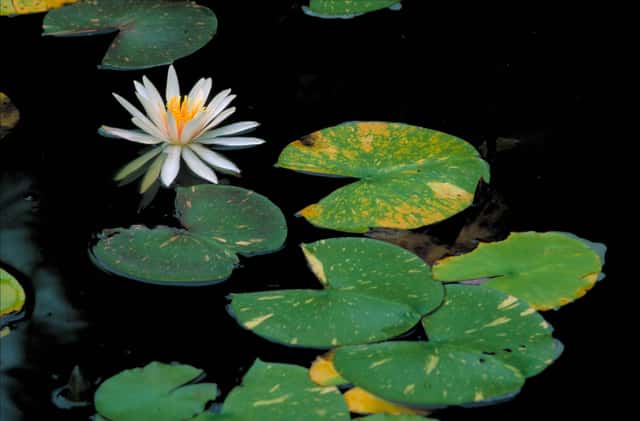
Nymphaeaceae
Water Lily (Nymphaea): The Most Beautiful Aquatic Plant for Your Garden
Nymphaea
Water Lily thrives in full direct sunlight (minimum 6-8 hours per day) in still, clean water. Plant the rhizome in heavy clay or aquatic potting soil in wide, shallow containers submerged at 12-24 inches depth. Fertilize with aquatic fertilizer tablets every 30 days during spring and summer. Regularly remove dead leaves and spent flowers to maintain water clarity and encourage continuous blooming.
Every 1 days
Direct sun
10° - 35°C
60% - 90%
Categories
What is Water Lily?
Water Lily (Nymphaea) is a medium-care plant from the Nymphaeaceae family. Water Lily (Nymphaea) is a genus of approximately 65 species of aquatic perennial plants belonging to the family Nymphaeaceae, distributed across every continent except Antarctica. Renowned for their spectacular floating flowers in shades of white, pink, red, yellow, orange, purple, and blue, water...
Water Lily grows up to 30cm, spread of 240cm, watering every 1 days, 10°C – 35°C, 60–90% humidity. It is not suitable for indoor environments and not safe for pets.
Without precautions, ingestion can cause irritation in pets. Keep out of reach of cats and dogs.
How to Care for Water Lily?
TLDR: Water Lily needs Direct sun, watering every 1 days, and temperatures between 10-35°C with 60-90% humidity.
How Often Should You Water Water Lily?
Water Lily lives in water and does not require conventional watering — plant in submerged containers at 12-24 inches depth in still, clean water. Periodically top off water levels, especially in summer when evaporation is higher. Avoid fountains or splashing water near the plants, as water lilies prefer calm, undisturbed conditions.
How Much Light Does Water Lily Need?
Requires at least 6-8 hours of direct sunlight daily for prolific flowering. Position the pond or container in the sunniest spot available. Hardy varieties can tolerate partial shade but will produce fewer flowers; tropical varieties demand full sun for optimal blooming.
What Is the Best Soil for Water Lily?
Use heavy clay soil or specialized aquatic potting mix in wide, shallow containers (12-16 inches wide by 8-10 inches deep). Avoid light potting mixes that float and cloud the water. Cover the soil surface with a thin layer of coarse sand or fine gravel to keep it anchored at the bottom of the pond.
What Pot Should You Use for Water Lily?
Use rigid plastic containers specifically designed for aquatic plants, wide and shallow without drainage holes (or with blocked holes). Containers should be at least 12-16 inches in diameter to accommodate healthy rhizome growth. Avoid clay pots or unglazed ceramics, which deteriorate when submerged and may leach minerals into the water.
Care Schedule
Fertilize
Every 30 days
Repot
Every 365 days
What Is Water Lily and Where Does It Come From?
Water Lily (Nymphaea) is a genus of approximately 65 species of aquatic perennial plants belonging to the family Nymphaeaceae, distributed across every continent except Antarctica. Renowned for their spectacular floating flowers in shades of white, pink, red, yellow, orange, purple, and blue, water lilies are among the most beloved ornamental aquatic plants in the world. Their large, round, waxy leaves repel water and float gracefully on the surface of ponds, lakes, and water gardens. The genus includes both hardy varieties, which can overwinter in cold climates, and tropical varieties that require warm water year-round.
How to Propagate Water Lily?
Rhizome Division
Perform division in early spring as new growth begins to emerge. Always use sterilized tools to prevent the introduction of fungal pathogens.
- 1 Gently remove the plant from the water and rinse the rhizome to expose its structure
- 2 Using a sharp, clean knife, cut the rhizome into 3-4 inch sections, each with at least one visible growing tip
- 3 Plant each section at a 45-degree angle with the growing tip slightly above the soil surface
- 4 Submerge the pot gradually, starting at 4-6 inches depth and increasing as new leaves reach the surface
Materials needed:
Seed Propagation
Germination can be irregular and slow, especially for tropical species which require water temperatures above 75°F. Hardy species germinate more readily at 60-70°F.
- 1 Collect ripe seeds directly from seed pods or source certified seeds from reputable suppliers
- 2 Soak seeds in warm water for 24-48 hours to improve germination rates
- 3 Sow seeds in shallow trays filled with aquatic soil, covering lightly with sand
- 4 Keep trays in 2-3 inches of water under bright light until germination occurs
Materials needed:
How Big Does Water Lily Grow?
TLDR: Water Lily can reach up to 30cm tall with Medium growth rate.
Max height
30cm
Spread
2.4m
Growth rate
Medium
Foliage
Deciduous
Warning: Toxic Plant
This plant can be toxic if ingested. Keep out of reach of:
Plant Uses
Ornamental
Great for decoration
Medicinal
Medicinal properties
Medicinal Uses
- Historically used in traditional medicine across Asia and Egypt as a mild sedative and anti-inflammatory agent. Rhizomes and flowers of certain species are used in Ayurvedic and traditional Chinese medicine to treat insomnia, anxiety, and urinary conditions.
Is your plant showing symptoms?
Click on the symptom to discover possible causes:
What Diseases Commonly Affect Water Lily?
TLDR: Water Lily is susceptible to 4 known diseases. Monitor regularly for early detection.
Phytophthora Root Rot
Disease caused by fungus-like organisms (oomycetes) that live in soil and can survive for years. It affects roots, stem, and crown of plants, being especially severe in waterlogged or poorly drained soils. It is the second most common cause of root rot in trees and shrubs.
Leaf Spot
Leaf spot is a common fungal disease caused by various pathogens including Alternaria, Ascochyta, Colletotrichum, Septoria, and Venturia. It primarily affects leaves, causing discolored spots that can lead to premature leaf drop if left untreated.
Aphids
Aphids are small, soft-bodied, pear-shaped insects (1/16 to 1/8 inch long) that feed by sucking nutrient-rich sap from plants. They reproduce rapidly and can quickly weaken plants, causing distorted growth and transmitting plant viruses. Aphids come in various colors including green, black, red, yellow, brown, and gray. They secrete honeydew, a sticky substance that attracts ants and encourages sooty mold growth.
Caterpillars
Caterpillars are the larval stage of moths and butterflies that feed voraciously on plant foliage, stems, flowers, and fruits. Common species include cabbage loopers, tomato hornworms, armyworms, and cutworms. These pests can cause extensive damage by consuming large amounts of plant tissue in a short time. They vary in size from small (1/4 inch) to large (5 inches), with colors ranging from green to brown, often featuring stripes or spots. Caterpillars are highly mobile and can quickly spread throughout gardens, making them one of the most destructive common pests.
Meaning & Symbolism
Water Lily is a universal symbol of purity, beauty, and spiritual rebirth. In ancient Egyptian culture, it represented creation, the sun, and the primordial emergence of life. In Buddhist and Hindu traditions, it symbolizes enlightenment and detachment from worldly concerns — the flower that rises from the mud to bloom untainted. It is the national flower of Bangladesh and Sri Lanka.
Fun Facts
The genus Nymphaea contains approximately 65 recognized species and is among the most ancient groups of flowering plants on Earth, with fossils dating back over 70 million years.
French Impressionist painter Claude Monet devoted decades to painting the water lilies in his garden at Giverny, France, creating a series of over 250 paintings that rank among the most valuable artworks ever created.
Water Lily is the national flower of both Bangladesh and Sri Lanka, where it holds deep cultural and symbolic significance in art, religion, and national identity.
The waxy leaves of Water Lily exhibit superhydrophobicity — water droplets bead and roll off the surface without wetting it, a phenomenon known as the lotus effect that has inspired the development of self-cleaning surfaces and water-repellent coatings in nanotechnology.
Frequently asked questions
How much sunlight does a Water Lily need?
How deep should Water Lilies be planted?
Are Water Lilies toxic to pets?
How often should I fertilize my Water Lily?
Can Water Lilies survive winter?
Compare with similar plants
| Attribute | Difficulty | Light | Watering | Pet Safe |
|---|---|---|---|---|
| Dark Fieldcap | Medium | Low light | 2d | ⚠️ |
| Azalea | Medium | Partial shade | 3d | ⚠️ |
| Bougainvillea | Medium | Direct sun | 7d | ⚠️ |
| Wild Lettuce | Medium | Direct sun | 7d | ⚠️ |



