Papaveraceae
Common Poppy — Papaver rhoeas
Papaver rhoeas
An easy-to-grow annual that thrives in full sun with minimal care. Self-seeds readily, tolerating poor, well-drained soils. Sow directly in autumn or early spring. Drought tolerant once established; avoid waterlogging.
Every 7 days
Direct sun
-5° - 30°C
30% - 60%
Categories
What is Common Poppy?
Common Poppy (Papaver rhoeas) is a easy-care plant from the Papaveraceae family. Papaver rhoeas, commonly known as the Common Poppy or Corn Poppy, is an annual flowering plant in the family Papaveraceae, native to Europe, North Africa, and Western Asia. Celebrated for its vivid scarlet-red petals with dark basal blotches, it has become a universal symbol of remembrance for falle...
Common Poppy grows up to 90cm, with spread of 30cm, watering every 7 days, -5°C – 30°C, 30–60% humidity. It is not suitable for indoor environments and not safe for pets.
Unlike many tropical plants, Common Poppy tolerates watering mistakes. Best for beginners. Without precautions, ingestion can cause irritation in pets. Keep out of reach of cats and dogs.
How to Care for Common Poppy?
TLDR: Common Poppy needs Direct sun, watering every 7 days, and temperatures between -5-30°C with 30-60% humidity.
How Often Should You Water Common Poppy?
Water moderately, allowing the top inch of soil to dry between waterings. Once established, the Common Poppy is drought-tolerant and does not need frequent watering. Avoid overwatering as it leads to root rot.
How Much Light Does Common Poppy Need?
Requires full sun — at least 6 hours of direct sunlight daily. In partial shade, stems become leggy and flowers may fail to open fully. Best positioned in open, sunny spots.
What Is the Best Soil for Common Poppy?
Well-draining soil is essential. Adapts to poor, sandy, or loamy soils. Avoid heavy clay or waterlogged conditions. Adding sand or grit improves drainage in heavier soils.
What Pot Should You Use for Common Poppy?
Open garden bed or wide terracotta pot with drainage holes
What Is Common Poppy and Where Does It Come From?
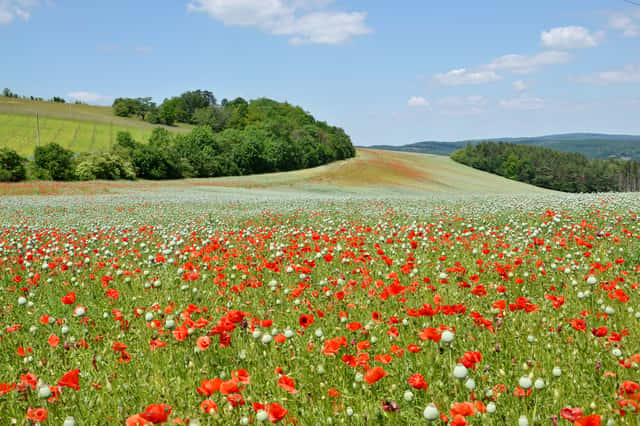
Papaver rhoeas, commonly known as the Common Poppy or Corn Poppy, is an annual flowering plant in the family Papaveraceae, native to Europe, North Africa, and Western Asia. Celebrated for its vivid scarlet-red petals with dark basal blotches, it has become a universal symbol of remembrance for fallen soldiers, particularly associated with World War I battlefields in Flanders. It thrives in disturbed soils, open fields, roadsides, and gardens, blooming from late spring through early summer.
How Big Does Common Poppy Grow?
TLDR: Common Poppy can reach up to 90cm tall with Fast growth rate.
Max height
90cm
Spread
30cm
Growth rate
Fast
Foliage
Deciduous
Warning: Toxic Plant
This plant can be toxic if ingested. Keep out of reach of:
Plant Uses
Ornamental
Great for decoration
Medicinal
Medicinal properties
Medicinal Uses
- Petals used in syrups for coughs and mild bronchitis
- Mildly sedative and analgesic properties used in folk medicine
- Used to alleviate mild insomnia and nervous tension
Culinary Uses
- Seeds used in baking breads, muffins, and pastries
- Fresh petals as edible decoration in salads and desserts
Is your plant showing symptoms?
Click on the symptom to discover possible causes:
What Diseases Commonly Affect Common Poppy?
TLDR: Common Poppy is susceptible to 12 known diseases. Monitor regularly for early detection.
Aphids
Aphids are small, soft-bodied, pear-shaped insects (1/16 to 1/8 inch long) that feed by sucking nutrient-rich sap from plants. They reproduce rapidly and can quickly weaken plants, causing distorted growth and transmitting plant viruses. Aphids come in various colors including green, black, red, yellow, brown, and gray. They secrete honeydew, a sticky substance that attracts ants and encourages sooty mold growth.
Powdery Mildew
Powdery mildew is a common fungal disease caused by various fungi species including Erysiphe, Podosphaera, Oïdium, and Leveillula. It affects over 10,000 plant species worldwide. The disease thrives in warm, dry climates with high humidity and appears as a distinctive white powdery coating on plant surfaces.
Downy Mildew
Downy mildew is a fungal-like disease caused by oomycetes (water molds) that thrives in cool, wet conditions. It affects a wide range of plants, causing yellowing leaves with fuzzy white-gray growth underneath, leading to defoliation and reduced yields if left untreated.
Botrytis
Meaning & Symbolism
The Common Poppy is an enduring symbol of remembrance and peace in Western culture, immortalized by the WWI poem "In Flanders Fields." In ancient Greek mythology, it was associated with Morpheus, the god of sleep.
Fun Facts
Poppy seeds can remain dormant in the soil for decades and germinate when the soil is disturbed — explaining why they bloomed so abundantly on WWI battlefields.
The red poppy became the symbol of remembrance for fallen soldiers after John McCrae's 1915 poem "In Flanders Fields."
A single Common Poppy plant can produce up to 17,000 seeds, ensuring vigorous natural propagation across fields and disturbed ground.
Frequently asked questions
Is the Common Poppy toxic to pets?
When should I sow Common Poppy seeds?
Does the Common Poppy self-seed?
Compare with similar plants
| Attribute | Difficulty | Light | Watering | Pet Safe |
|---|---|---|---|---|
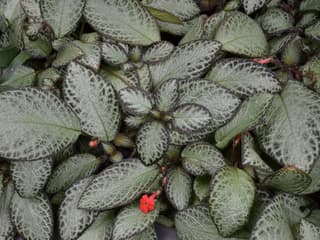
| Flame Violet | Easy | Partial shade | 7d | ✓ |
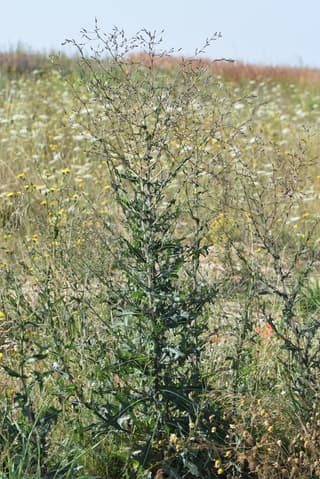
| Prickly Lettuce | Easy | Direct sun | 7d | ✓ |
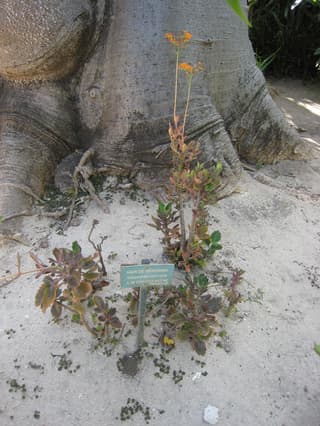
| Christmas Tree Plant | Easy | Bright indirect | 10d | ⚠️ |
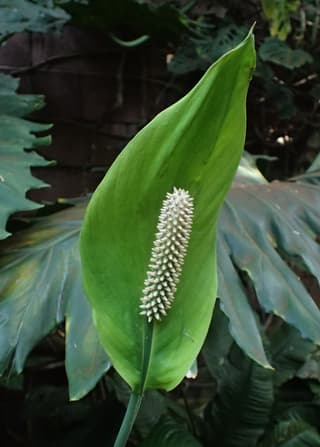
| Peace Lily | Easy | Low light | 7d | ⚠️ |