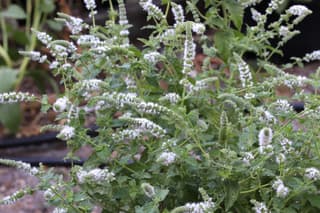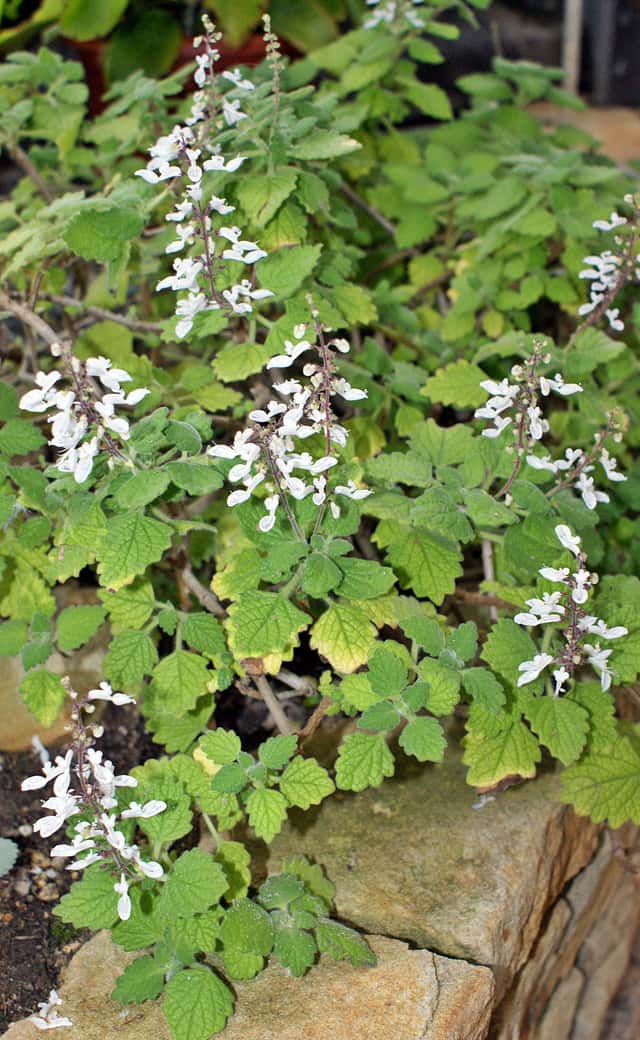
Lamiaceae
Madagascar Coleus (Coleus madagascariensis)
Coleus madagascariensis
Madagascar Coleus is an easy-care plant well-suited to beginners. It thrives in bright indirect light, well-draining soil, and moderate watering. Allow the top inch of soil to dry between waterings. The plant tolerates short dry spells but dislikes waterlogged conditions. Feed lightly every two months during the growing season.
Every 8 days
Partial shade
15° - 27°C
40% - 60%
Categories
What is Madagascar Coleus?
Madagascar Coleus (Coleus madagascariensis) is a easy-care plant from the Lamiaceae family. Coleus madagascariensis, commonly known as Madagascar Coleus or Thicket Coleus, is a fast-growing aromatic perennial herb in the family Lamiaceae, native to southern and southeastern Africa. Its fleshy, variegated leaves release a refreshing mentholated fragrance when touched, earning it the nicknam...
Madagascar Coleus grows up to 1.0m, spread of 45cm, watering every 8 days, 15°C – 27°C, 40–60% humidity. It is suitable for indoor environments and safe for pets.
Unlike many tropical plants, Madagascar Coleus tolerates watering mistakes. Best for beginners. Unlike many popular species, Madagascar Coleus is safe to keep around pets. Without adequate drainage, root rot can develop within 16 days.
How to Care for Madagascar Coleus?
TLDR: Madagascar Coleus needs Partial shade, watering every 8 days, and temperatures between 15-27°C with 40-60% humidity.
How Often Should You Water Madagascar Coleus?
Water when the top inch of soil feels dry, approximately every 7 to 10 days. Reduce watering frequency in winter when growth slows. Never allow the pot to sit in standing water, as this leads to root rot. Use room-temperature water for best results.
How Much Light Does Madagascar Coleus Need?
Prefers bright indirect light or dappled shade. Place near an east- or west-facing window indoors. Avoid intense direct afternoon sun, which can scorch the leaves. Outdoors, a lightly shaded position under trees or on a shaded patio works well.
What Is the Best Soil for Madagascar Coleus?
Use a lightweight, well-draining potting mix amended with perlite or coarse sand. Ideal soil pH is 6.0 to 7.0. Good drainage is essential to prevent root rot. Avoid heavy clay soils or dense compacted mixes that retain excess moisture.
What Pot Should You Use for Madagascar Coleus?
Terracotta or ceramic pots with drainage holes are ideal, as they allow excess moisture to evaporate and help prevent root rot. For outdoor growing, lightweight plastic pots also work well. Always choose pots with drainage holes.
Care Schedule
Fertilize
Every 60 days
Misting
Every 3 days
Repot
Every 730 days
What Is Madagascar Coleus and Where Does It Come From?
Coleus madagascariensis, commonly known as Madagascar Coleus or Thicket Coleus, is a fast-growing aromatic perennial herb in the family Lamiaceae, native to southern and southeastern Africa. Its fleshy, variegated leaves release a refreshing mentholated fragrance when touched, earning it the nickname "Vicks Plant." This versatile species thrives both indoors and outdoors, valued for its ornamental foliage, pleasant scent, and traditional medicinal applications. In autumn it produces slender spikes of small white to mauve flowers that attract bees, butterflies, and birds.
How to Propagate Madagascar Coleus?
Stem Cutting
Change water weekly if rooting in water. Maintain high humidity by covering with a plastic bag or dome to speed rooting.
- 1 Cut a healthy stem with 3-4 nodes, approximately 10-15 cm long
- 2 Remove lower leaves, leaving 2-3 leaves at the tip
- 3 Place cutting in clean water or directly in moist, well-draining potting mix
- 4 Keep in bright indirect light at 20-25°C
- 5 Transplant to a permanent pot once rooted in 2-4 weeks
Materials needed:
Seed Propagation
Seedlings often outpace cuttings in growth speed. Keep the germination environment consistently warm.
- 1 Sow seeds on the surface of moist, well-draining seed mix
- 2 Cover lightly with a thin layer of fine sand
- 3 Keep in a warm location with bright indirect light
- 4 Maintain slight moisture until germination
Materials needed:
How Big Does Madagascar Coleus Grow?
TLDR: Madagascar Coleus can reach up to 1.0m tall with Fast growth rate.
Max height
1.0m
Spread
45cm
Growth rate
Fast
Foliage
Evergreen
Plant Uses
Ornamental
Great for decoration
Medicinal
Medicinal properties
Aromatic
Pleasant fragrance
Medicinal Uses
- Leaves used in traditional teas to relieve coughs and colds
- External use to treat scabies and minor skin conditions
- Aromatic branches hung in homes to repel flies and insects
Is your plant showing symptoms?
Click on the symptom to discover possible causes:
What Diseases Commonly Affect Madagascar Coleus?
TLDR: Madagascar Coleus is susceptible to 8 known diseases. Monitor regularly for early detection.
Powdery Mildew
Powdery mildew is a common fungal disease caused by various fungi species including Erysiphe, Podosphaera, Oïdium, and Leveillula. It affects over 10,000 plant species worldwide. The disease thrives in warm, dry climates with high humidity and appears as a distinctive white powdery coating on plant surfaces.
Root Rot
Root rot is a serious fungal disease that affects the root system of plants, causing them to decay and die. It is primarily caused by overwatering, poor drainage, or soil-borne fungi such as Pythium, Phytophthora, Rhizoctonia, and Fusarium. The disease thrives in waterlogged conditions where roots are deprived of oxygen, making them susceptible to fungal infection.
Downy Mildew
Downy mildew is a fungal-like disease caused by oomycetes (water molds) that thrives in cool, wet conditions. It affects a wide range of plants, causing yellowing leaves with fuzzy white-gray growth underneath, leading to defoliation and reduced yields if left untreated.
Spider Mites
Spider mites are tiny arachnids (less than 1/20 inch long) related to spiders and ticks that feed on plant sap. They thrive in hot, dry conditions and can cause significant damage to ornamental and vegetable plants. During severe infestations, crop losses can reach 14% or higher as these pests disrupt vital plant processes including photosynthesis, carbon dioxide absorption, and transpiration.
Fun Facts
Aromatic leaves were traditionally rubbed on window sills in South African homes to repel flies and insects
Seedlings grown from seed often outpace stem cuttings in growth speed
Despite being called a Coleus, it belongs to the same family as basil and mint (Lamiaceae)
In the wild it can survive extreme drought by wilting into semi-dormancy and then rapidly recovering once rain arrives
Frequently asked questions
How often should I water Madagascar Coleus?
Is Madagascar Coleus toxic to pets?
Why is it called the Vicks Plant?
Can it grow in low light?
When does Madagascar Coleus flower?
Compare with similar plants
| Attribute | Difficulty | Light | Watering | Pet Safe |
|---|---|---|---|---|
| Field Maple | Easy | Bright indirect | 14d | ✓ |
| Silver Birch | Easy | Direct sun | 14d | ✓ |
| Cushion Bush | Easy | Direct sun | 14d | ✓ |
| Peruvian peppertree | Easy | Direct sun | 14d | ⚠️ |