Asparagaceae
Pulque Agave (Agave salmiana): Complete Care Guide
Agave salmiana
Extremely hardy and low-maintenance plant. Requires full sun, well-drained soil, and infrequent watering. Ideal for xeriscaping, large-scale landscaping, and spacious outdoor gardens. Does not need frequent fertilization and tolerates poor soils and extended drought periods.
Every 21 days
Direct sun
-9° - 45°C
20% - 60%
Categories
What is Pulque Agave?
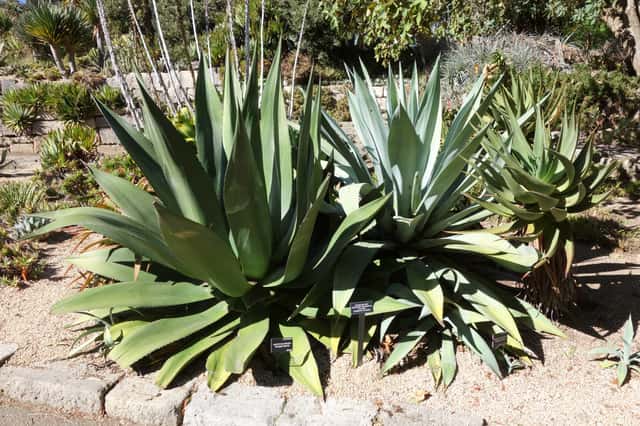
Pulque Agave (Agave salmiana) is a easy-care plant from the Asparagaceae family. Agave salmiana, commonly known as Pulque Agave or Giant Agave, is one of the largest and most impressive agaves native to central Mexico. Its massive succulent leaves can reach up to 2 meters in length, armed with sharp spines. This species is the primary source of aguamiel (sap) used to produce pul...
Pulque Agave grows up to 4.0m, spread of 396cm, watering every 21 days, -9°C – 45°C, 20–60% humidity. It is not suitable for indoor environments and not safe for pets.
Unlike many tropical plants, Pulque Agave tolerates watering mistakes. Best for beginners. Without precautions, ingestion can cause irritation in pets. Keep out of reach of cats and dogs.
How to Care for Pulque Agave?
TLDR: Pulque Agave needs Direct sun, watering every 21 days, and temperatures between -9-45°C with 20-60% humidity.
How Often Should You Water Pulque Agave?
Water only when the soil is completely dry, approximately every 3 weeks in summer and even less in winter. Overwatering is the primary cause of death through root rot. Mature plants can survive months without water.
How Much Light Does Pulque Agave Need?
Requires full sun with at least 6 hours of direct sunlight per day. Tolerates partial shade but grows more slowly. Avoid locations with full shade.
What Is the Best Soil for Pulque Agave?
Prefers sandy or rocky soils with excellent drainage. Use cactus and succulent mix combined with coarse sand or perlite. Ideal pH 6.0–8.0. Avoid clay or compacted soils.
What Pot Should You Use for Pulque Agave?
Terracotta pots for young plants — promotes drainage and root breathing. For mature plants, prefer direct planting in the garden as the adult size makes container growing impractical.
What Is Pulque Agave and Where Does It Come From?
Agave salmiana, commonly known as Pulque Agave or Giant Agave, is one of the largest and most impressive agaves native to central Mexico. Its massive succulent leaves can reach up to 2 meters in length, armed with sharp spines. This species is the primary source of aguamiel (sap) used to produce pulque, a fermented beverage consumed in Mexico for thousands of years. It is monocarpic — flowering only once after 15–25 years, producing a spectacular flowering stalk up to 12 meters tall.
How to Propagate Pulque Agave?
Offset Division
Perform division in spring or summer for best results. Avoid overwatering during the first weeks after planting.
- 1 Identify offsets (pups) growing at the base of the mother plant
- 2 Use a sterile shovel or knife to separate the offset with some roots attached
- 3 Allow the offset to dry in open air for 1-2 days to callous the cut
- 4 Plant in well-draining cactus mix and water lightly after 1 week
Materials needed:
Seed Propagation
Germination is irregular and slow. Offset division is faster and more reliable.
- 1 Collect seeds after flowering and allow to dry
- 2 Sow in sandy, moist, well-draining medium
- 3 Keep in a warm location with indirect light
- 4 Transplant seedlings when they reach 5-10 cm
Materials needed:
How Big Does Pulque Agave Grow?
TLDR: Pulque Agave can reach up to 4.0m tall with Slow growth rate.
Max height
4.0m
Spread
4.0m
Growth rate
Slow
Foliage
Evergreen
Warning: Toxic Plant
This plant can be toxic if ingested. Keep out of reach of:
Plant Uses
Ornamental
Great for decoration
Edible
Can be consumed
Medicinal
Medicinal properties
Medicinal Uses
- Traditionally used to treat wounds, inflammation, and digestive issues in Mexican folk medicine
- Contains saponins with anti-inflammatory and antifungal properties
Culinary Uses
- The heart (piña) can be roasted and eaten
- Young leaves are edible when cooked
- Primary ingredient of pulque — an ancestral Mexican fermented beverage
Is your plant showing symptoms?
Click on the symptom to discover possible causes:
What Diseases Commonly Affect Pulque Agave?
TLDR: Pulque Agave is susceptible to 4 known diseases. Monitor regularly for early detection.
Root Rot
Root rot is a serious fungal disease that affects the root system of plants, causing them to decay and die. It is primarily caused by overwatering, poor drainage, or soil-borne fungi such as Pythium, Phytophthora, Rhizoctonia, and Fusarium. The disease thrives in waterlogged conditions where roots are deprived of oxygen, making them susceptible to fungal infection.
Mealybugs
Mealybugs are small, soft-bodied insects covered with a white, waxy, cottony material. They are common pests of houseplants and outdoor plants in mild climates. These sap-sucking insects feed on plant tissue, causing damage, stunted growth, and can lead to plant death if left untreated. They produce sticky honeydew which attracts sooty mold.
Anthracnose
Anthracnose is a fungal disease caused by fungi in the genus Colletotrichum that affects many plants, including vegetables, fruits, and trees. The disease thrives in cool, wet conditions, causing dark, sunken lesions on leaves, stems, flowers, and fruits.
Scale Insects
Scale insects are small sap-sucking pests that appear as brown, shell-like bumps on plant stems and leaves. There are over 25 species, divided into armored (hard) and unarmored (soft) scales. They feed by piercing plant tissue and extracting sap, which weakens the plant and can lead to yellowing, stunted growth, and even death if left untreated. They also excrete honeydew, which attracts ants and promotes sooty mold growth.
Meaning & Symbolism
Symbol of resilience, abundance, and Mexican cultural identity. The Pulque Agave is a sacred plant for indigenous peoples of central Mexico, deeply associated with pulque production — an ancestral beverage with profound spiritual and social significance.
Fun Facts
Pulque Agave can take up to 25 years to bloom — and dies shortly after, leaving pups as its legacy
Each plant can yield up to 1,000 liters of sap (aguamiel) during the harvest period for pulque production
The flower stalk can exceed 12 meters in height, among the tallest in the plant kingdom
The Aztecs called Agave salmiana the "tree of wonders" for its many uses: food, drink, fiber, and medicine
Frequently asked questions
How often should I water my Pulque Agave?
Is Pulque Agave toxic to pets?
Can Pulque Agave be grown in a pot?
How long does it take for Pulque Agave to bloom?
Is Pulque Agave cold hardy?
Compare with similar plants
| Attribute | Difficulty | Light | Watering | Pet Safe |
|---|---|---|---|---|
| Field Maple | Easy | Bright indirect | 14d | ✓ |
| Silver Birch | Easy | Direct sun | 14d | ✓ |
| Cushion Bush | Easy | Direct sun | 14d | ✓ |
| Peruvian peppertree | Easy | Direct sun | 14d | ⚠️ |