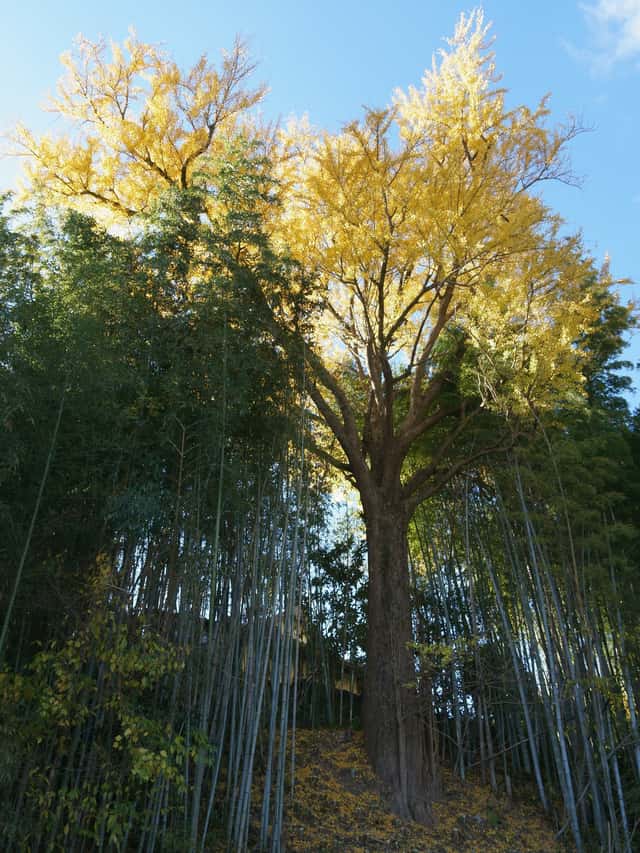
Ginkgoaceae
Ginkgo biloba — The Living Fossil Maidenhair Tree
Ginkgo biloba
Ginkgo biloba is a low-maintenance, highly adaptable tree best suited for outdoor planting in full sun. It is exceptionally drought-tolerant once established and requires minimal watering. Fertilize once in spring with a slow-release balanced fertilizer. Prune only to remove dead or damaged branches. It thrives in USDA zones 3–9 and tolerates urban pollution, salt, and drought.
Every 14 days
Direct sun
-35° - 38°C
30% - 70%
Categories
What is Maidenhair Tree?
Maidenhair Tree (Ginkgo biloba) is a medium-care plant from the Ginkgoaceae family. Ginkgo biloba is one of the oldest living tree species on Earth, a true living fossil unchanged for over 200 million years. Native to China, it is the sole surviving member of the division Ginkgophyta, making it unique in the plant kingdom. Its distinctive fan-shaped leaves turn a spectacular golden...
Maidenhair Tree grows up to 24.0m, spread of 1200cm, watering every 14 days, -35°C – 38°C, 30–70% humidity. It is not suitable for indoor environments and not safe for pets.
Without precautions, ingestion can cause irritation in pets. Keep out of reach of cats and dogs.
How to Care for Maidenhair Tree?
TLDR: Maidenhair Tree needs Direct sun, watering every 14 days, and temperatures between -35-38°C with 30-70% humidity.
How Often Should You Water Maidenhair Tree?
Water deeply every 14 days for newly established trees. Once mature, ginkgo is highly drought-tolerant and rarely needs supplemental watering except during extended dry spells. Avoid overwatering — good drainage is essential.
How Much Light Does Maidenhair Tree Need?
Plant in full sun for best growth and most vibrant autumn color. Ginkgo tolerates partial shade but grows more slowly. Requires at least 6 hours of direct sunlight per day.
What Is the Best Soil for Maidenhair Tree?
Ginkgo thrives in well-draining soil and tolerates a wide range of soil types including clay, loam, and sandy soils. Prefers a pH between 5.5 and 7.5. Avoid waterlogged conditions.
What Pot Should You Use for Maidenhair Tree?
Not applicable for indoor pots — this is a large outdoor tree. For bonsai cultivation, use deep, well-draining bonsai pots (oval or rectangular, unglazed terracotta).
Care Schedule
Fertilize
Every 90 days
What Is Maidenhair Tree and Where Does It Come From?
Ginkgo biloba is one of the oldest living tree species on Earth, a true living fossil unchanged for over 200 million years. Native to China, it is the sole surviving member of the division Ginkgophyta, making it unique in the plant kingdom. Its distinctive fan-shaped leaves turn a spectacular golden-yellow in autumn before dropping simultaneously — a breathtaking display. Female trees produce foul-smelling seeds that have been used in traditional East Asian cuisine and medicine for centuries. The tree famously survived the Hiroshima atomic bombing in 1945 and continues to symbolize resilience and endurance.
How to Propagate Maidenhair Tree?
Seed propagation
Wear gloves when handling seeds — the outer coat contains urushiol-like compounds that cause skin irritation. Cold stratification is essential for germination.
- 1 Collect seeds from female trees in autumn
- 2 Remove the fleshy outer coat (wear gloves — it smells)
- 3 Cold stratify seeds for 60-90 days in moist sand in the refrigerator
- 4 Sow seeds in well-draining mix in spring
- 5 Keep moist and in a warm, bright location
Materials needed:
Semi-hardwood cutting
Ginkgo cuttings are notoriously difficult to root. Use bottom heat and high humidity for best results. Success rates are low even for experienced propagators.
- 1 Take 10-15cm semi-hardwood cuttings in mid-summer
- 2 Remove lower leaves, keep 2-3 at top
- 3 Dip in rooting hormone powder
- 4 Plant in moist perlite/sand mix
- 5 Keep in humid environment with indirect light
Materials needed:
How Big Does Maidenhair Tree Grow?
TLDR: Maidenhair Tree can reach up to 24.0m tall with Slow growth rate.
Max height
24.0m
Spread
12.0m
Growth rate
Slow
Foliage
Deciduous
Warning: Toxic Plant
This plant can be toxic if ingested. Keep out of reach of:
Plant Uses
Ornamental
Great for decoration
Medicinal
Medicinal properties
Medicinal Uses
- Ginkgo biloba leaf extract (EGb 761) is used to improve memory, cognitive function, and circulation. Widely used in traditional Chinese medicine for thousands of years and studied clinically for dementia, tinnitus, and peripheral artery disease.
Culinary Uses
- Seeds (ginkgo nuts) are edible when cooked and used in East Asian cuisine — in congee, desserts, and stir-fries. Raw seeds are toxic in large quantities.
Is your plant showing symptoms?
Click on the symptom to discover possible causes:
What Diseases Commonly Affect Maidenhair Tree?
TLDR: Maidenhair Tree is susceptible to 11 known diseases. Monitor regularly for early detection.
Powdery Mildew
Powdery mildew is a common fungal disease caused by various fungi species including Erysiphe, Podosphaera, Oïdium, and Leveillula. It affects over 10,000 plant species worldwide. The disease thrives in warm, dry climates with high humidity and appears as a distinctive white powdery coating on plant surfaces.
Downy Mildew
Downy mildew is a fungal-like disease caused by oomycetes (water molds) that thrives in cool, wet conditions. It affects a wide range of plants, causing yellowing leaves with fuzzy white-gray growth underneath, leading to defoliation and reduced yields if left untreated.
Root Rot
Root rot is a serious fungal disease that affects the root system of plants, causing them to decay and die. It is primarily caused by overwatering, poor drainage, or soil-borne fungi such as Pythium, Phytophthora, Rhizoctonia, and Fusarium. The disease thrives in waterlogged conditions where roots are deprived of oxygen, making them susceptible to fungal infection.
Phytophthora Root Rot
Disease caused by fungus-like organisms (oomycetes) that live in soil and can survive for years. It affects roots, stem, and crown of plants, being especially severe in waterlogged or poorly drained soils. It is the second most common cause of root rot in trees and shrubs.
Meaning & Symbolism
A symbol of longevity, resilience, and hope. In East Asian culture it represents wisdom, vitality, and endurance. The ginkgo survived the Hiroshima atomic bomb blast, making it an enduring symbol of peace and the indestructibility of life.
Fun Facts
Ginkgo biloba has remained virtually unchanged for over 200 million years, surviving multiple mass extinctions.
Six ginkgo trees survived the Hiroshima atomic bomb in 1945 — they were among the first living things to recover.
A single ginkgo tree can live for over 1,000 years; the oldest known specimen in China is estimated at 3,500 years old.
All ginkgo trees in cultivation descend from trees preserved in Chinese temple gardens — the species was nearly extinct in the wild.
Frequently asked questions
Is Ginkgo biloba easy to grow?
Why do female ginkgo trees smell bad?
Is Ginkgo biloba toxic to pets?
How fast does Ginkgo biloba grow?
What are the medicinal uses of Ginkgo biloba?
Compare with similar plants
| Attribute | Difficulty | Light | Watering | Pet Safe |
|---|---|---|---|---|
| Dark Fieldcap | Medium | Low light | 2d | ⚠️ |
| Azalea | Medium | Partial shade | 3d | ⚠️ |
| Bougainvillea | Medium | Direct sun | 7d | ⚠️ |
| Wild Lettuce | Medium | Direct sun | 7d | ⚠️ |



