Lamiaceae
Sweet Marjoram (Origanum majorana): Complete Growing Guide
Origanum majorana
Sweet marjoram thrives in full sun with well-draining soil. Water weekly, allowing soil to dry slightly between waterings. Once established, it is highly drought-tolerant. Fertilize monthly during the growing season with a balanced fertilizer. Prune regularly to keep the plant bushy and delay flowering.
Every 7 days
Direct sun
10° - 35°C
40% - 60%
Categories
What is Sweet Marjoram?
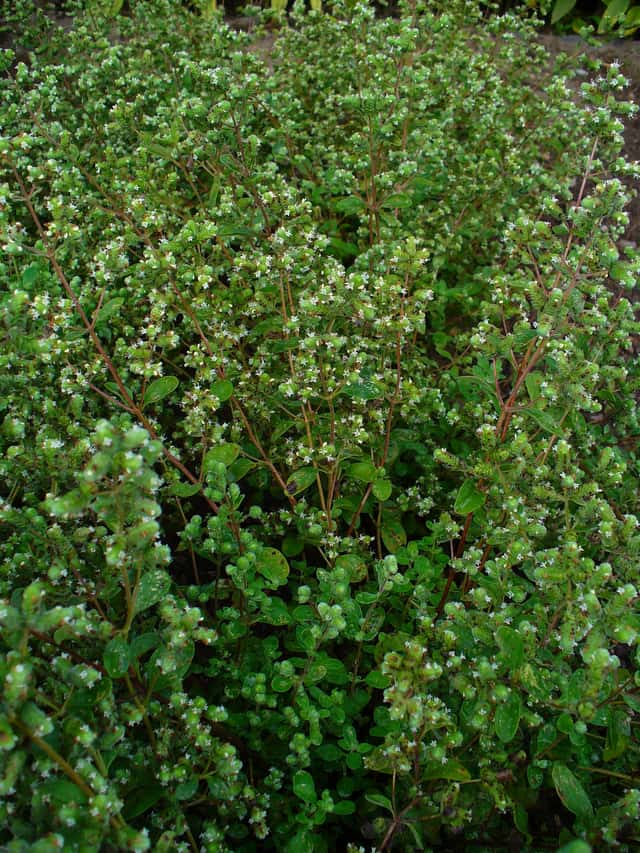
Sweet Marjoram (Origanum majorana) is a easy-care plant from the Lamiaceae family. Sweet marjoram (Origanum majorana) is a fragrant Mediterranean herb in the Lamiaceae family, prized for over 4,000 years for its culinary and medicinal value. It features small, oval, grayish-green velvety leaves and produces tiny white to pale pink flowers in compact knot-like clusters during summe...
Sweet Marjoram grows up to 60cm, spread of 60cm, watering every 7 days, 10°C – 35°C, 40–60% humidity. It is suitable for indoor environments and not safe for pets.
Unlike many tropical plants, Sweet Marjoram tolerates watering mistakes. Best for beginners. Without precautions, ingestion can cause irritation in pets. Keep out of reach of cats and dogs. Without adequate drainage, root rot can develop within 14 days.
How to Care for Sweet Marjoram?
TLDR: Sweet Marjoram needs Direct sun, watering every 7 days, and temperatures between 10-35°C with 40-60% humidity.
How Often Should You Water Sweet Marjoram?
Water sweet marjoram once a week during warm weather, allowing the top inch of soil to dry out between waterings. Reduce watering in cooler months. Good drainage is essential — soggy roots will cause root rot. In containers, always check drainage holes are clear.
How Much Light Does Sweet Marjoram Need?
Sweet marjoram requires at least 6–8 hours of direct sunlight daily to develop its characteristic aroma and flavor. Insufficient light results in leggy growth and reduced essential oil content, making the herb less flavorful and fragrant.
What Is the Best Soil for Sweet Marjoram?
Plant in light, well-draining soil with a pH of 6.0–8.0. Amend heavy soils with sand or perlite to improve drainage. Sweet marjoram dislikes wet, compacted soils. A slightly alkaline to neutral soil best mimics its native Mediterranean habitat.
What Pot Should You Use for Sweet Marjoram?
Terracotta or clay pots are ideal for sweet marjoram as they provide excellent airflow to the roots and prevent waterlogging. Ensure the pot has adequate drainage holes. A pot at least 20 cm (8 in) in diameter is recommended.
Care Schedule
Fertilize
Every 30 days
Repot
Every 365 days
What Is Sweet Marjoram and Where Does It Come From?
Sweet marjoram (Origanum majorana) is a fragrant Mediterranean herb in the Lamiaceae family, prized for over 4,000 years for its culinary and medicinal value. It features small, oval, grayish-green velvety leaves and produces tiny white to pale pink flowers in compact knot-like clusters during summer. While technically a tender perennial in warm climates (USDA zones 9–11), it is commonly grown as an annual in temperate regions. Sweet marjoram is milder and sweeter than its close relative oregano, with a warm, slightly floral, and spicy aroma.
How to Propagate Sweet Marjoram?
Seed propagation
Seeds are very fine; mix with sand for even distribution. Germination is slow in cold conditions — use a heat mat if needed.
- 1 Sow seeds shallowly in moist seed-starting mix at 18–21°C (65–70°F)
- 2 Press seeds lightly into the surface — they need light to germinate
- 3 Keep evenly moist until germination
- 4 Transplant seedlings when 5–7 cm (2–3 in) tall after last frost
Materials needed:
Stem cuttings
Stem cuttings root quickly and are the fastest way to propagate new plants. Use clean, sharp scissors to avoid crushing the stem.
- 1 Take 8–10 cm (3–4 in) cuttings from non-flowering stems
- 2 Strip the lower leaves
- 3 Place in moist potting mix or water
- 4 Keep in a warm, bright location out of direct sun
Materials needed:
How Big Does Sweet Marjoram Grow?
TLDR: Sweet Marjoram can reach up to 60cm tall with Fast growth rate.
Max height
60cm
Spread
60cm
Growth rate
Fast
Foliage
Deciduous
Warning: Toxic Plant
This plant can be toxic if ingested. Keep out of reach of:
Plant Uses
Edible
Can be consumed
Aromatic
Pleasant fragrance
Medicinal
Medicinal properties
Ornamental
Great for decoration
Medicinal Uses
- Carminative and digestive aid: relieves gas, bloating, and intestinal cramps
- Antiseptic and antimicrobial: used in gargles and compresses
- Expectorant: helps clear airways in cases of cough and bronchitis
- Mild sedative: tea used to ease anxiety, nervous tension, and promote sleep
Culinary Uses
- Essential seasoning for roasted meats, especially lamb, pork, and poultry
- Used in soups, stews, sauces, and Mediterranean marinades
- Flavors pizzas, pasta dishes, and vegetable preparations
- Infused into olive oil for aromatic dressings
- Key ingredient in herb blends such as Herbes de Provence and za'atar
Is your plant showing symptoms?
Click on the symptom to discover possible causes:
What Diseases Commonly Affect Sweet Marjoram?
TLDR: Sweet Marjoram is susceptible to 4 known diseases. Monitor regularly for early detection.
Root Rot
Root rot is a serious fungal disease that affects the root system of plants, causing them to decay and die. It is primarily caused by overwatering, poor drainage, or soil-borne fungi such as Pythium, Phytophthora, Rhizoctonia, and Fusarium. The disease thrives in waterlogged conditions where roots are deprived of oxygen, making them susceptible to fungal infection.
Aphids
Aphids are small, soft-bodied, pear-shaped insects (1/16 to 1/8 inch long) that feed by sucking nutrient-rich sap from plants. They reproduce rapidly and can quickly weaken plants, causing distorted growth and transmitting plant viruses. Aphids come in various colors including green, black, red, yellow, brown, and gray. They secrete honeydew, a sticky substance that attracts ants and encourages sooty mold growth.
Powdery Mildew
Powdery mildew is a common fungal disease caused by various fungi species including Erysiphe, Podosphaera, Oïdium, and Leveillula. It affects over 10,000 plant species worldwide. The disease thrives in warm, dry climates with high humidity and appears as a distinctive white powdery coating on plant surfaces.
Spider Mites
Spider mites are tiny arachnids (less than 1/20 inch long) related to spiders and ticks that feed on plant sap. They thrive in hot, dry conditions and can cause significant damage to ornamental and vegetable plants. During severe infestations, crop losses can reach 14% or higher as these pests disrupt vital plant processes including photosynthesis, carbon dioxide absorption, and transpiration.
Meaning & Symbolism
In ancient Greece, sweet marjoram was sacred to Aphrodite, goddess of love, and was woven into bridal wreaths as a symbol of happiness and good fortune. It represented joy and prosperity throughout Mediterranean cultures.
Fun Facts
Ancient Egyptians used sweet marjoram in mummification rituals for its antiseptic properties
Its essential oil constitutes 0.3–0.4% of the plant's dry weight and is prized in perfumery
In ancient Greece, marjoram growing on a grave was considered a sign that the deceased was happy in the afterlife
A single plant can be harvested multiple times per season without exhausting it
Frequently asked questions
How often should I water sweet marjoram?
Is sweet marjoram toxic to pets?
When should I harvest sweet marjoram?
Can I grow sweet marjoram indoors?
What is the difference between marjoram and oregano?
Compare with similar plants
| Attribute | Difficulty | Light | Watering | Pet Safe |
|---|---|---|---|---|
| Field Maple | Easy | Bright indirect | 14d | ✓ |
| Silver Birch | Easy | Direct sun | 14d | ✓ |
| Cushion Bush | Easy | Direct sun | 14d | ✓ |
| Peruvian peppertree | Easy | Direct sun | 14d | ⚠️ |





