Malvaceae
Mallow (Malva spp.): How to Grow and Care
Malva
An easy-to-grow, resilient plant that thrives with minimal care. Requires full sun for best flowering. Water weekly, allowing the soil to dry slightly between waterings. Tolerates poor soils but performs best in well-drained, moderately fertile ground. Generally pest-resistant but can be susceptible to rust disease.
Every 7 days
Direct sun
-15° - 35°C
40% - 70%
Categories
What is Mallow?
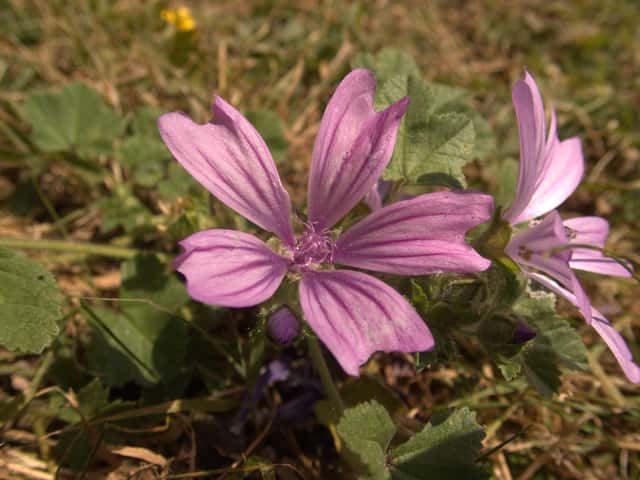
Mallow (Malva) is a easy-care plant from the Malvaceae family. Malva is a genus of herbaceous plants in the family Malvaceae, widely distributed across Europe, Asia, and the Americas. Known for their delicate five-petaled flowers in shades of lilac, pink, and white with dark purple veins, mallows are valued both as ornamental plants and for their long-standing...
Mallow grows up to 1.5m, spread of 90cm, watering every 7 days, -15°C – 35°C, 40–70% humidity. It is not suitable for indoor environments and safe for pets.
Unlike many tropical plants, Mallow tolerates watering mistakes. Best for beginners. Unlike many popular species, Mallow is safe to keep around pets.
How to Care for Mallow?
TLDR: Mallow needs Direct sun, watering every 7 days, and temperatures between -15-35°C with 40-70% humidity.
How Often Should You Water Mallow?
Water deeply once a week, directing water at the base of the plant. Avoid wetting the foliage to prevent fungal diseases. The deep taproot tolerates short dry spells, but consistent moisture encourages better flowering.
How Much Light Does Mallow Need?
Prefers full sun with at least 6-8 hours of direct sunlight daily. Tolerates partial shade but flowers far more abundantly with full sun exposure.
What Is the Best Soil for Mallow?
Thrives in well-drained, loose, and moderately fertile soil with a pH of 6.0-7.5. Tolerates chalk, loam, clay, and sand. Avoid waterlogged soils.
What Pot Should You Use for Mallow?
Medium terracotta or ceramic pot with good drainage. In gardens, plant directly in the ground where the taproot can develop freely.
Care Schedule
Fertilize
Every 30 days
Repot
Every 365 days
What Is Mallow and Where Does It Come From?
Malva is a genus of herbaceous plants in the family Malvaceae, widely distributed across Europe, Asia, and the Americas. Known for their delicate five-petaled flowers in shades of lilac, pink, and white with dark purple veins, mallows are valued both as ornamental plants and for their long-standing medicinal properties. They thrive in well-drained soils in full sun, producing abundant flowers from summer through fall.
How to Propagate Mallow?
Direct Seeding
Soak seeds in warm water for 12 hours before planting to speed germination. Plants self-seed readily.
- 1 Sow seeds directly in the garden in spring after last frost
- 2 Cover lightly with fine soil
- 3 Keep substrate moist until germination
- 4 Reduce watering once seedlings emerge
- 5 Thin or transplant when seedlings reach 10 cm
Materials needed:
Stem Cutting
Use clean, sharp pruning shears. Keep substrate slightly moist but never waterlogged.
- 1 Cut a healthy 6-inch stem with 2-3 leaves
- 2 Remove lower leaves
- 3 Dip in rooting hormone
- 4 Place in moist, well-draining potting mix
- 5 Keep in bright location out of direct sun
Materials needed:
How Big Does Mallow Grow?
TLDR: Mallow can reach up to 1.5m tall with Medium growth rate.
Max height
1.5m
Spread
90cm
Growth rate
Medium
Foliage
Semi-evergreen
Plant Uses
Ornamental
Great for decoration
Medicinal
Medicinal properties
Edible
Can be consumed
Medicinal Uses
- Soothing coughs and bronchitis
- Relieving digestive issues and gastritis
- External treatment for wounds and eczema
- Anti-inflammatory herbal teas
Culinary Uses
- Young leaves raw in salads
- Edible flowers as garnish
- Cooked leaves as pot herb
- Nutritious seeds
Is your plant showing symptoms?
Click on the symptom to discover possible causes:
What Diseases Commonly Affect Mallow?
TLDR: Mallow is susceptible to 8 known diseases. Monitor regularly for early detection.
Rust
Rust is a common fungal disease caused by fungi in the order Pucciniales that affects a wide variety of plants. The disease gets its name from the characteristic orange, yellow, or reddish-brown pustules that appear on leaves, resembling metal rust. This obligate fungal parasite requires living plants to survive and can cause significant economic losses in agricultural crops.
Leaf Spot
Leaf spot is a common fungal disease caused by various pathogens including Alternaria, Ascochyta, Colletotrichum, Septoria, and Venturia. It primarily affects leaves, causing discolored spots that can lead to premature leaf drop if left untreated.
Anthracnose
Anthracnose is a fungal disease caused by fungi in the genus Colletotrichum that affects many plants, including vegetables, fruits, and trees. The disease thrives in cool, wet conditions, causing dark, sunken lesions on leaves, stems, flowers, and fruits.
Root Rot
Root rot is a serious fungal disease that affects the root system of plants, causing them to decay and die. It is primarily caused by overwatering, poor drainage, or soil-borne fungi such as Pythium, Phytophthora, Rhizoctonia, and Fusarium. The disease thrives in waterlogged conditions where roots are deprived of oxygen, making them susceptible to fungal infection.
Meaning & Symbolism
Mallow symbolizes tenderness, softness, and protection. In many European and Mediterranean cultures it represents motherhood and family well-being, and is considered a guardian of the home.
Fun Facts
Mallow has been used in traditional Mediterranean medicine for over 2,000 years
Mallow flowers change color when brewed into tea
The plant self-seeds readily and returns to the same garden year after year
Hippocrates described the medicinal uses of mallow in the 5th century BC
Frequently asked questions
How often should I water Mallow?
Is Mallow toxic to pets?
Can mallow be grown in containers?
Why is my mallow not flowering?
When does Mallow bloom?
Compare with similar plants
| Attribute | Difficulty | Light | Watering | Pet Safe |
|---|---|---|---|---|
| Field Maple | Easy | Bright indirect | 14d | ✓ |
| Silver Birch | Easy | Direct sun | 14d | ✓ |
| Cushion Bush | Easy | Direct sun | 14d | ✓ |
| Peruvian peppertree | Easy | Direct sun | 14d | ⚠️ |





