Menispermaceae
Moonseed: Medicinal Uses & Care Tips
Menispermum canadense
A tough, fast-growing native vine best suited for naturalistic gardens, woodland margins, and stream-bank stabilisation. Plant in moist, fertile loamy soil in partial shade to full sun (USDA zones 4a–8b). Water regularly to keep soil consistently moist — it is not drought-tolerant. Fertilise lightly in spring and midsummer. Prune to shape or cut to the ground every few years to control spread. Wear gloves when handling; keep away from children and pets.
Every 6 days
Partial shade
-30° - 35°C
50% - 80%
Categories
What is Moonseed?
Moonseed (Menispermum canadense) is a medium-care plant from the Menispermaceae family. Menispermum canadense, commonly known as Moonseed or Canada Moonseed, is a vigorous, deciduous climbing vine native to eastern North America, ranging from southern Canada to northern Florida and west to Manitoba and Texas. It grows in moist thickets, woodland edges, and stream banks, twining to heig...
Moonseed grows up to 6.0m, spread of 300cm, watering every 6 days, -30°C – 35°C, 50–80% humidity. It is not suitable for indoor environments and not safe for pets.
Without precautions, ingestion can cause irritation in pets. Keep out of reach of cats and dogs.
How to Care for Moonseed?
TLDR: Moonseed needs Partial shade, watering every 6 days, and temperatures between -30-35°C with 50-80% humidity.
How Often Should You Water Moonseed?
Water thoroughly and consistently, aiming for evenly moist soil at all times. During hot or dry spells, water every 5–7 days. Avoid letting the soil dry out completely — wilting follows quickly — but also avoid waterlogged conditions. Mulching around the base helps retain moisture in summer.
How Much Light Does Moonseed Need?
Thrives in partial shade (2–6 hours of direct sun) and dappled woodland light, replicating its natural habitat. It tolerates full sun if the soil is kept reliably moist, but leaf scorch may occur in hot, dry conditions. Avoid deep shade, which reduces flowering and fruiting.
What Is the Best Soil for Moonseed?
Prefers deep, fertile, moist loamy soil rich in organic matter, similar to its native woodland and stream-bank habitats. Tolerates a wide pH range (6.0–8.0). Amend poor or sandy soils with compost before planting. Consistent moisture is more important than soil texture.
What Pot Should You Use for Moonseed?
Best grown directly in the ground; not recommended for container culture due to its extensive rhizomatous root system and vigorous climbing habit. If used as a groundcover, allow ample space and install root barriers to prevent unwanted spread.
Care Schedule
Fertilize
Every 30 days
What Is Moonseed and Where Does It Come From?
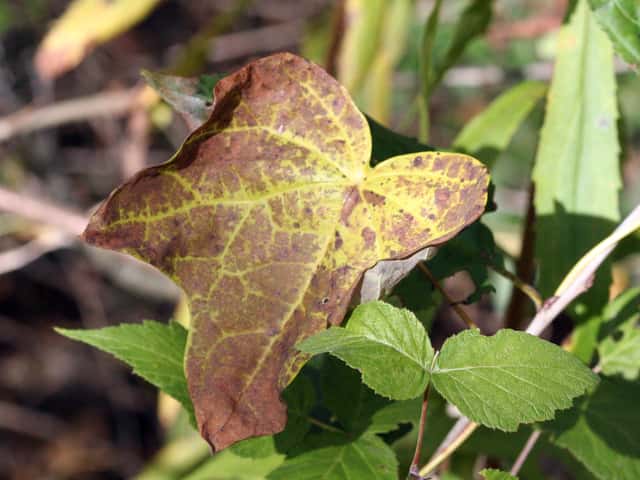
Menispermum canadense, commonly known as Moonseed or Canada Moonseed, is a vigorous, deciduous climbing vine native to eastern North America, ranging from southern Canada to northern Florida and west to Manitoba and Texas. It grows in moist thickets, woodland edges, and stream banks, twining to heights of up to 6 metres (20 feet). The large, heart-shaped to palmately lobed leaves (5–20 cm across) are its most recognisable feature. In late spring and early summer (May–August), it bears small, inconspicuous greenish-white to yellowish-green flowers in drooping panicles. These are followed in autumn by clusters of blue-black, grape-like drupes, each containing a single distinctive crescent-shaped seed — the source of the common name. CAUTION: all parts of the plant, especially the fruit, are severely toxic. The alkaloid dauricine causes convulsions and can be fatal; the fruit has caused deaths in children who mistook it for wild grapes.
How to Propagate Moonseed?
Rhizome Division
- Wear gloves — all plant parts contain toxic alkaloids
- Keep divisions moist until rooted; do not allow to dry out
- 1 Locate rhizomes
In early spring, carefully excavate around the base of an established plant to expose the horizontal underground stems (rhizomes).
- 2 Cut sections
Using a sharp, sterile knife, cut rhizome sections that each have at least 2 healthy buds or shoots. Sections of 10–15 cm are ideal.
- 3 Replant
Plant sections 5–8 cm deep in moist, organic-rich soil and water thoroughly. Keep soil consistently moist until new growth is established.
Materials needed:
Seed (Cold Stratification)
- Do not let seeds dry before sowing
- Be patient — germination can take many months
- 1 Harvest seeds
Collect ripe drupes in autumn. Extract the crescent-shaped seeds and clean off pulp. Do not allow seeds to dry out completely.
- 2 Cold stratification
Seeds require a cold, moist period to break dormancy. Sow outdoors in autumn (let winter provide natural stratification) or store seeds in damp peat in the refrigerator for 3 months.
- 3 Germinate
In spring, sow stratified seeds in a nursery bed or pots in a cold frame, 1–2 cm deep. Germination is slow and may be irregular.
Materials needed:
Hardwood Cuttings
- Keep cuttings from freezing hard but do not keep too warm
- Roots should form before spring growth begins
- 1 Take cuttings
In autumn, cut 15–20 cm sections of mature, woody stem. Make a clean cut just below a node.
- 2 Prepare and insert
Remove lower leaves, dip the base in rooting hormone, and insert cuttings into a cold frame or sheltered outdoor bed in well-draining compost.
- 3 Overwinter
Allow cuttings to overwinter in the cold frame. Check for rooting in spring before transplanting to final position.
Materials needed:
How Big Does Moonseed Grow?
TLDR: Moonseed can reach up to 6.0m tall with Fast growth rate.
Max height
6.0m
Spread
3.0m
Growth rate
Fast
Foliage
Deciduous
Warning: Toxic Plant
This plant can be toxic if ingested. Keep out of reach of:
Plant Uses
Ornamental
Great for decoration
Medicinal
Medicinal properties
Medicinal Uses
- Root historically used as a bitter tonic, diuretic, laxative, and stomachic
- Root tea used by Cherokee for indigestion, arthritis, and bowel complaints
- Roots applied externally as a salve for chronic sores and skin diseases by Lenape peoples
- Used in 19th-century folk medicine as a blood purifier and treatment for rheumatism
- All medicinal use requires expert supervision — all plant parts are severely toxic
Is your plant showing symptoms?
Click on the symptom to discover possible causes:
What Diseases Commonly Affect Moonseed?
TLDR: Moonseed is susceptible to 1 known diseases. Monitor regularly for early detection.
Meaning & Symbolism
In folk tradition, Moonseed symbolises hidden danger and deception — its glossy, grape-like fruits are alluring yet lethal, a reminder that beauty can conceal peril. The crescent-shaped seed echoes lunar imagery, linking the plant to mystery and the night.
Compare with similar plants
| Attribute | Difficulty | Light | Watering | Pet Safe |
|---|---|---|---|---|
| Dark Fieldcap | Medium | Low light | 2d | ⚠️ |
| Azalea | Medium | Partial shade | 3d | ⚠️ |
| Bougainvillea | Medium | Direct sun | 7d | ⚠️ |
| Wild Lettuce | Medium | Direct sun | 7d | ⚠️ |



