Cucurbitaceae
West Indian Gherkin – Complete Growing Guide
Cucumis anguria
Grow in full sun with well-draining, fertile soil. Water every 2-3 days and provide a trellis or support structure. Fertilize every 2 weeks during the growing season for best fruit production.
Every 3 days
Direct sun
18° - 38°C
50% - 80%
Categories
What is West Indian Gherkin?
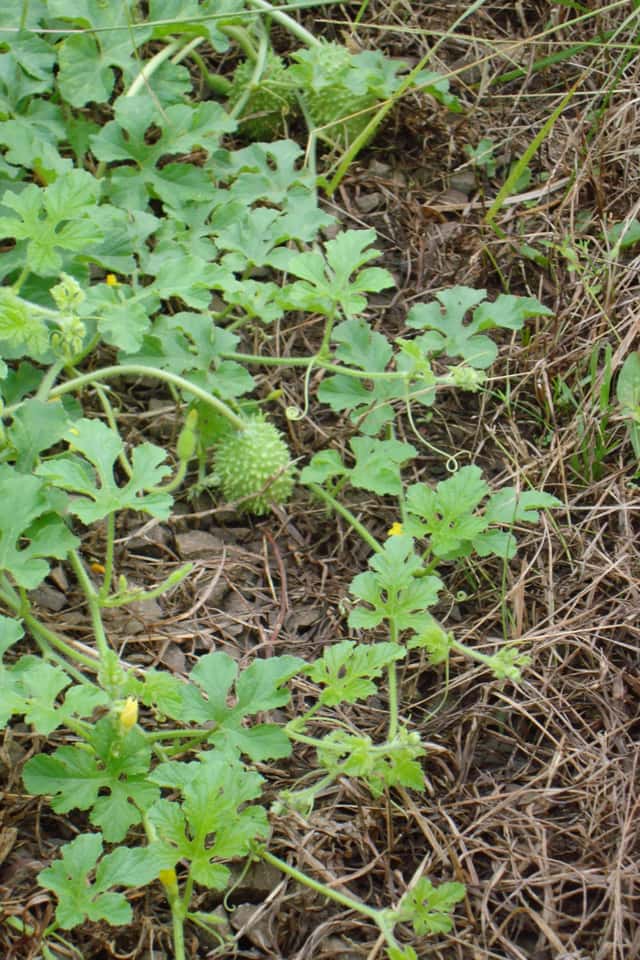
West Indian Gherkin (Cucumis anguria) is a easy-care plant from the Cucurbitaceae family. Cucumis anguria, the West Indian gherkin, is a fast-growing annual climbing vine in the Cucurbitaceae family. Native to tropical Africa and naturalized across the Caribbean and South America, it produces small, oval, spiny fruits prized in tropical cuisines.
West Indian Gherkin grows up to 3.0m, spread of 150cm, watering every 3 days, 18°C – 38°C, 50–80% humidity. It is not suitable for indoor environments and safe for pets.
Unlike many tropical plants, West Indian Gherkin tolerates watering mistakes. Best for beginners. Unlike many popular species, West Indian Gherkin is safe to keep around pets.
How to Care for West Indian Gherkin?
TLDR: West Indian Gherkin needs Direct sun, watering every 3 days, and temperatures between 18-38°C with 50-80% humidity.
How Often Should You Water West Indian Gherkin?
Water every 2-3 days, keeping soil consistently moist but not waterlogged. Avoid wetting foliage to prevent fungal diseases. Drip irrigation is ideal.
How Much Light Does West Indian Gherkin Need?
Requires full sun — at least 6 hours of direct sunlight per day. A tropical plant that thrives in heat; does not tolerate frost.
What Is the Best Soil for West Indian Gherkin?
Prefers well-draining, fertile soil rich in organic matter. Ideal pH 6.0–7.0. Amend with compost before planting.
Care Schedule
Fertilize
Every 14 days
Misting
Every 3 days
Rotate
Every 7 days
Repot
Every 365 days
What Is West Indian Gherkin and Where Does It Come From?
Cucumis anguria, the West Indian gherkin, is a fast-growing annual climbing vine in the Cucurbitaceae family. Native to tropical Africa and naturalized across the Caribbean and South America, it produces small, oval, spiny fruits prized in tropical cuisines.
How Big Does West Indian Gherkin Grow?
TLDR: West Indian Gherkin can reach up to 3.0m tall with Fast growth rate.
Max height
3.0m
Spread
1.5m
Growth rate
Fast
Foliage
Deciduous
Plant Uses
Edible
Can be consumed
Culinary Uses
- Fruits used in stews, stir-fries, and salads
- Popular in Caribbean, Brazilian, and West African cuisines
- Young fruits can be eaten raw or pickled
Is your plant showing symptoms?
Click on the symptom to discover possible causes:
What Diseases Commonly Affect West Indian Gherkin?
TLDR: West Indian Gherkin is susceptible to 8 known diseases. Monitor regularly for early detection.
Powdery Mildew
Powdery mildew is a common fungal disease caused by various fungi species including Erysiphe, Podosphaera, Oïdium, and Leveillula. It affects over 10,000 plant species worldwide. The disease thrives in warm, dry climates with high humidity and appears as a distinctive white powdery coating on plant surfaces.
Downy Mildew
Downy mildew is a fungal-like disease caused by oomycetes (water molds) that thrives in cool, wet conditions. It affects a wide range of plants, causing yellowing leaves with fuzzy white-gray growth underneath, leading to defoliation and reduced yields if left untreated.
Anthracnose
Anthracnose is a fungal disease caused by fungi in the genus Colletotrichum that affects many plants, including vegetables, fruits, and trees. The disease thrives in cool, wet conditions, causing dark, sunken lesions on leaves, stems, flowers, and fruits.
Aphids
Aphids are small, soft-bodied, pear-shaped insects (1/16 to 1/8 inch long) that feed by sucking nutrient-rich sap from plants. They reproduce rapidly and can quickly weaken plants, causing distorted growth and transmitting plant viruses. Aphids come in various colors including green, black, red, yellow, brown, and gray. They secrete honeydew, a sticky substance that attracts ants and encourages sooty mold growth.
Fun Facts
Produces fruit in just 45–60 days from seed
One of the most heat-tolerant cucurbits
The spiny exterior softens completely when cooked
Frequently asked questions
How long does it take West Indian gherkin to fruit?
Does West Indian gherkin need a trellis?
Can I grow it in a container?
Compare with similar plants
| Attribute | Difficulty | Light | Watering | Pet Safe |
|---|---|---|---|---|
| Field Maple | Easy | Bright indirect | 14d | ✓ |
| Silver Birch | Easy | Direct sun | 14d | ✓ |
| Cushion Bush | Easy | Direct sun | 14d | ✓ |
| Peruvian peppertree | Easy | Direct sun | 14d | ⚠️ |





