Rosaceae
European Crab Apple: Edible Plant
Malus sylvestris
The European Crab Apple is a robust, low-maintenance deciduous tree best suited to outdoor planting in temperate climates. Plant in a sunny, open position with well-drained, loamy soil. Water every 3 weeks during the growing season, reducing in winter. Prune annually in late winter to maintain shape and remove dead wood. Apply a balanced fertiliser once a year in early spring. Watch for apple scab, fire blight, and powdery mildew.
Every 21 days
Direct sun
-40° - 35°C
40% - 70%
Categories
What is European Crab Apple?
European Crab Apple (Malus sylvestris) is a easy-care plant from the Rosaceae family. Malus sylvestris, the European Crab Apple, is a small to medium deciduous tree native to Europe and parts of western Asia. It belongs to the Rosaceae family and grows up to 10 metres tall, producing clusters of delicate white to pale pink blossoms in spring, followed by small, hard, greenish-yellow...
European Crab Apple grows up to 10.0m, spread of 800cm, watering every 21 days, -40°C – 35°C, 40–70% humidity. It is not suitable for indoor environments and not safe for pets.
Unlike many tropical plants, European Crab Apple tolerates watering mistakes. Best for beginners. Without precautions, ingestion can cause irritation in pets. Keep out of reach of cats and dogs.
How to Care for European Crab Apple?
TLDR: European Crab Apple needs Direct sun, watering every 21 days, and temperatures between -40-35°C with 40-70% humidity.
How Often Should You Water European Crab Apple?
Water every 21 days during the growing season (spring–autumn). Reduce watering significantly in winter when the tree is dormant. Avoid waterlogging; ensure soil drains freely between waterings.
How Much Light Does European Crab Apple Need?
Requires full sun for best flowering and fruiting. Will tolerate partial shade but produces fewer fruits and blossoms. Plant in an open position away from shade-casting structures.
What Is the Best Soil for European Crab Apple?
Thrives in well-drained, fertile loamy soil with a pH of 6.0–7.5. Tolerates sandy and clay soils. Avoid waterlogged conditions. Mulch around the base to retain moisture and regulate soil temperature.
What Pot Should You Use for European Crab Apple?
Not suitable for pots. Best planted directly in garden or woodland soil as a free-standing specimen or hedgerow tree.
Care Schedule
Fertilize
Every 365 days
What Is European Crab Apple and Where Does It Come From?
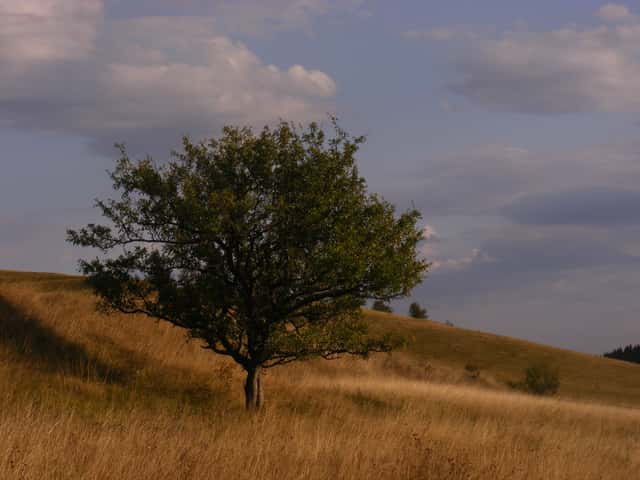
Malus sylvestris, the European Crab Apple, is a small to medium deciduous tree native to Europe and parts of western Asia. It belongs to the Rosaceae family and grows up to 10 metres tall, producing clusters of delicate white to pale pink blossoms in spring, followed by small, hard, greenish-yellow fruits (2–4 cm) with a characteristically sour and astringent flavour. One of the ancestors of the cultivated apple, this species is of great ecological importance, supporting over 90 associated insect species and providing food for birds and mammals. Its bark becomes rough and fissured with age, and the dense, thorny branching offers excellent wildlife habitat.
How Big Does European Crab Apple Grow?
TLDR: European Crab Apple can reach up to 10.0m tall with Medium growth rate.
Max height
10.0m
Spread
8.0m
Growth rate
Medium
Foliage
Deciduous
Warning: Toxic Plant
This plant can be toxic if ingested. Keep out of reach of:
Plant Uses
Ornamental
Great for decoration
Edible
Can be consumed
Medicinal
Medicinal properties
Medicinal Uses
- Bark is traditionally used as an anthelmintic (antiparasitic) and refrigerant
- Fruit is mildly astringent and has been used as a digestive tonic
- Historically used as a mild laxative in folk medicine
Culinary Uses
- Small fruits used to make jellies, preserves, jams, and cider
- Rich in pectin — excellent for setting jams and jellies
- Fruit juice fermented into crab apple wine or added to apple cider for flavour complexity
- Dried or cooked fruits used for tarts and sauces
Is your plant showing symptoms?
Click on the symptom to discover possible causes:
What Diseases Commonly Affect European Crab Apple?
TLDR: European Crab Apple is susceptible to 7 known diseases. Monitor regularly for early detection.
Fire Blight
Fire blight is a highly destructive and contagious bacterial disease caused by Erwinia amylovora. It primarily affects plants in the Rosaceae family, including apple, pear, quince trees, and various ornamental plants. The disease can destroy an entire orchard in a single growing season under ideal conditions, with the bacterium moving approximately 11 inches per week in new growth.
Powdery Mildew
Powdery mildew is a common fungal disease caused by various fungi species including Erysiphe, Podosphaera, Oïdium, and Leveillula. It affects over 10,000 plant species worldwide. The disease thrives in warm, dry climates with high humidity and appears as a distinctive white powdery coating on plant surfaces.
Canker
Canker is a disease caused by various fungi and bacteria that create necrotic, sunken areas on bark of branches, stems, and trunks. Pathogens enter through wounds and natural openings, especially when plants are stressed. Canker can gradually weaken or kill branches by disrupting water and nutrient flow.
Aphids
Aphids are small, soft-bodied, pear-shaped insects (1/16 to 1/8 inch long) that feed by sucking nutrient-rich sap from plants. They reproduce rapidly and can quickly weaken plants, causing distorted growth and transmitting plant viruses. Aphids come in various colors including green, black, red, yellow, brown, and gray. They secrete honeydew, a sticky substance that attracts ants and encourages sooty mold growth.
Meaning & Symbolism
The European Crab Apple symbolises renewal, resilience, and the potential for growth after hardship. In European folklore, the wild apple was associated with love, beauty, and fertility. It has long been regarded as a symbol of the untamed, natural world and the generosity of nature.
Compare with similar plants
| Attribute | Difficulty | Light | Watering | Pet Safe |
|---|---|---|---|---|
| Field Maple | Easy | Bright indirect | 14d | ✓ |
| Silver Birch | Easy | Direct sun | 14d | ✓ |
| Cushion Bush | Easy | Direct sun | 14d | ✓ |
| Peruvian peppertree | Easy | Direct sun | 14d | ⚠️ |





