Asteraceae
Mexican Zinnia: The Compact Bicolor Powerhouse
Zinnia haageana
An easy, low-maintenance annual that thrives in full sun and well-draining soil. Water every 3-5 days allowing the top layer to dry out between waterings. Fertilize every two weeks during the growing season. Deadhead regularly to extend blooming.
Every 4 days
Direct sun
10° - 35°C
30% - 60%
Categories
What is Mexican Zinnia?
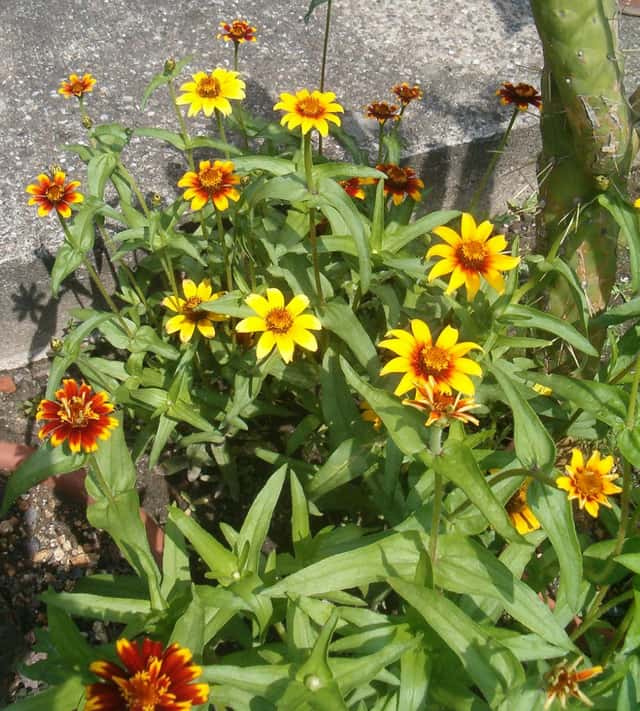
Mexican Zinnia (Zinnia haageana) is a easy-care plant from the Asteraceae family. Zinnia haageana, commonly known as Mexican Zinnia or Narrowleaf Zinnia, is a compact annual native to Mexico. It produces an abundance of small, cheerful bicolor flowers in shades of orange, red, yellow, and gold throughout summer and fall. Unlike its cousin Zinnia elegans, this species features nar...
Mexican Zinnia grows up to 45cm, spread of 30cm, watering every 4 days, 10°C – 35°C, 30–60% humidity. It is not suitable for indoor environments and safe for pets.
Unlike many tropical plants, Mexican Zinnia tolerates watering mistakes. Best for beginners. Unlike many popular species, Mexican Zinnia is safe to keep around pets.
How to Care for Mexican Zinnia?
TLDR: Mexican Zinnia needs Direct sun, watering every 4 days, and temperatures between 10-35°C with 30-60% humidity.
How Often Should You Water Mexican Zinnia?
Water deeply every 3-5 days, letting the top inch of soil dry out between waterings. Avoid wetting foliage to prevent fungal issues. Zinnia haageana is drought-tolerant once established — overwatering is the main risk.
How Much Light Does Mexican Zinnia Need?
Plant in full sun with at least 6-8 hours of direct sunlight daily. Insufficient light reduces flowering significantly. This species thrives in hot, sunny conditions.
What Is the Best Soil for Mexican Zinnia?
Use light, well-draining garden soil or a mix with perlite. Aim for a pH of 5.5–7.0. Avoid heavy clay soils that retain moisture. Add compost at planting for best results.
What Pot Should You Use for Mexican Zinnia?
Terracotta or clay pots work best for outdoor containers as they provide good drainage and aeration. Choose pots at least 20 cm deep.
Care Schedule
Fertilize
Every 15 days
What Is Mexican Zinnia and Where Does It Come From?
Zinnia haageana, commonly known as Mexican Zinnia or Narrowleaf Zinnia, is a compact annual native to Mexico. It produces an abundance of small, cheerful bicolor flowers in shades of orange, red, yellow, and gold throughout summer and fall. Unlike its cousin Zinnia elegans, this species features narrower leaves, smaller blooms under 1 inch in diameter, and exceptional heat, drought, and pest resistance. It is a favorite for borders, containers, pollinator gardens, and mass plantings.
How to Propagate Mexican Zinnia?
Seed Sowing
Direct sowing is preferred as Zinnia haageana dislikes transplanting. Sow in warm soil for fastest germination.
- 1 Sow seeds directly in the garden after the last frost, or start indoors 4-6 weeks earlier
- 2 Press seeds lightly into moist, well-draining soil, covering with a thin layer of substrate
- 3 Keep soil moist at 20-25°C until germination in 8-12 days
- 4 Thin seedlings to 12-30 cm apart once they reach 5 cm tall
- 5 Transplant or thin carefully as zinnias dislike root disturbance
Materials needed:
How Big Does Mexican Zinnia Grow?
TLDR: Mexican Zinnia can reach up to 45cm tall with Fast growth rate.
Max height
45cm
Spread
30cm
Growth rate
Fast
Foliage
Deciduous
Plant Uses
Ornamental
Great for decoration
Ground Cover
Soil coverage
Is your plant showing symptoms?
Click on the symptom to discover possible causes:
What Diseases Commonly Affect Mexican Zinnia?
TLDR: Mexican Zinnia is susceptible to 9 known diseases. Monitor regularly for early detection.
Alternaria Leaf Spot
Alternaria leaf spot is a common fungal disease caused by Alternaria solani and Alternaria alternata that affects a wide range of plants including tomatoes, potatoes, brassicas, and ornamentals. The disease thrives in warm, humid conditions and can cause significant crop damage if left untreated. Spores overwinter on plant debris and can attach to seeds, making complete elimination difficult.
Cercospora Leaf Spot
Cercospora leaf spot is a common fungal disease caused by Cercospora species that affects many plant types, particularly beets, roses, and leafy vegetables. The disease thrives in warm, humid conditions and can cause significant defoliation, reducing plant vigor and yield. It spreads rapidly through water splash, wind, and contaminated tools.
Bacterial Leaf Spot
Bacterial leaf spot is a plant disease caused by bacteria in the Xanthomonas and Pseudomonas genera that affects various ornamental and edible plants. The bacteria infect leaves through wounds or natural openings, causing characteristic lesions that can lead to premature leaf drop and plant weakening.
Powdery Mildew
Powdery mildew is a common fungal disease caused by various fungi species including Erysiphe, Podosphaera, Oïdium, and Leveillula. It affects over 10,000 plant species worldwide. The disease thrives in warm, dry climates with high humidity and appears as a distinctive white powdery coating on plant surfaces.
Meaning & Symbolism
Zinnia flowers symbolize endurance, lasting affection, and daily remembrance. In Mexican culture, they are traditionally placed on Día de los Muertos altars to honor and guide the spirits of the deceased.
Fun Facts
Zinnia haageana is notably resistant to powdery mildew, which commonly plagues other zinnia varieties
Its bicolor flowers are a magnet for butterflies, bees, and other pollinators
In Mexico, zinnias have been cultivated for centuries and play an important role in Día de los Muertos traditions
The species is named after the German botanist Johann Nicolas Haage
Frequently asked questions
How often should I water Mexican Zinnia?
Is Zinnia haageana toxic to pets?
How is Mexican Zinnia different from Zinnia elegans?
When does Mexican Zinnia bloom?
Can I grow Mexican Zinnia in containers?
Compare with similar plants
| Attribute | Difficulty | Light | Watering | Pet Safe |
|---|---|---|---|---|
| Small Scabious | Easy | Direct sun | 7d | ✓ |
| Field Maple | Easy | Bright indirect | 14d | ✓ |
| Silver Birch | Easy | Direct sun | 14d | ✓ |
| Red valerian | Easy | Direct sun | 10d | ✓ |



