Rutaceae
Key Lime: Complete Care Guide
Citrus × aurantiifolia
Grow in full sun with at least 6–8 hours of direct sunlight daily. Water deeply every 7 days, allowing the top layer of soil to dry slightly between waterings. Feed with a citrus-specific fertilizer every 7 weeks during the growing season. Protect from frost — temperatures below 2°C (35°F) can damage or kill the plant.
Every 7 days
Direct sun
2° - 38°C
30% - 60%
Categories
What is Key Lime?
Key Lime (Citrus × aurantiifolia) is a medium-care plant from the Rutaceae family. Key lime (Citrus × aurantiifolia) is an evergreen citrus tree native to Southeast Asia, now widely grown across tropical and subtropical regions worldwide. Prized for its small, intensely aromatic fruits, it is a cornerstone of tropical cuisine — most famously in Key lime pie — as well as cocktails,...
Key Lime grows up to 4.0m, spread of 460cm, watering every 7 days, 2°C – 38°C, 30–60% humidity. It is suitable for indoor environments and not safe for pets.
Without precautions, ingestion can cause irritation in pets. Keep out of reach of cats and dogs. Without adequate drainage, root rot can develop within 14 days.
How to Care for Key Lime?
TLDR: Key Lime needs Direct sun, watering every 7 days, and temperatures between 2-38°C with 30-60% humidity.
How Often Should You Water Key Lime?
Water deeply every 7 days, ensuring the pot or ground drains well. Let the top inch of soil dry out between waterings. Never allow roots to sit in standing water, as this causes root rot. Reduce frequency in winter.
How Much Light Does Key Lime Need?
Key lime demands full direct sun — at least 6 to 8 hours per day. Indoors, place directly in front of a south- or west-facing window. Insufficient light drastically reduces fruiting and weakens the tree over time.
What Is the Best Soil for Key Lime?
Plant in well-draining, sandy or loamy soil with a pH of 5.5–7.0. Avoid heavy clay soils that retain moisture. In containers, use a quality citrus mix amended with perlite or coarse sand to ensure excellent drainage.
What Pot Should You Use for Key Lime?
Unglazed terracotta or ceramic pot with ample drainage holes. Terracotta helps wick away excess moisture and prevents root rot. Use a large container (at least 30–40 cm diameter) to support root growth. Move indoors before frost arrives.
Care Schedule
Fertilize
Every 49 days
Misting
Every 3 days
Rotate
Every 7 days
Repot
Every 365 days
What Is Key Lime and Where Does It Come From?
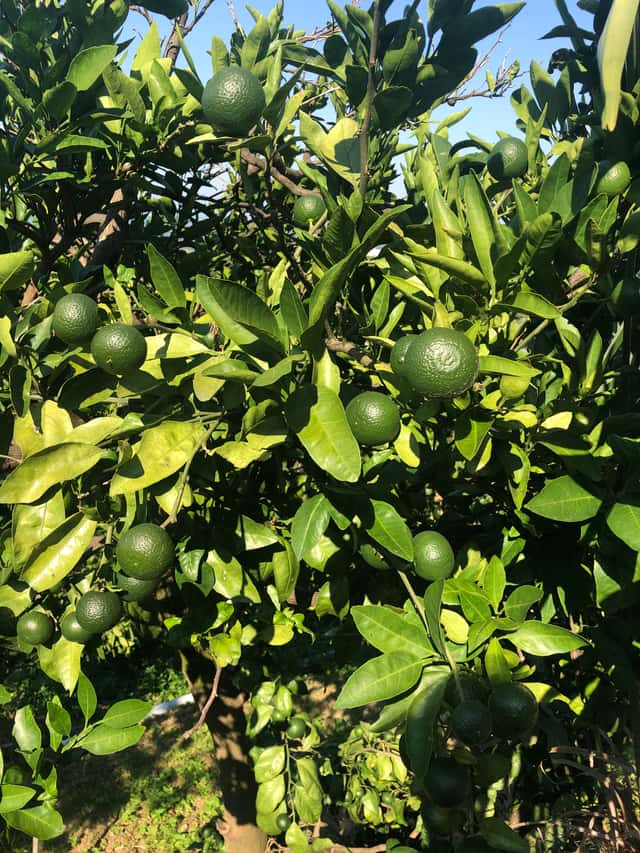
Key lime (Citrus × aurantiifolia) is an evergreen citrus tree native to Southeast Asia, now widely grown across tropical and subtropical regions worldwide. Prized for its small, intensely aromatic fruits, it is a cornerstone of tropical cuisine — most famously in Key lime pie — as well as cocktails, marinades, and desserts. The tree bears fragrant white flowers with purplish tinges and glossy, dark green leaves. It is the most cold-sensitive of all commercial citrus, thriving in warm, sunny climates.
How Big Does Key Lime Grow?
TLDR: Key Lime can reach up to 4.0m tall with Medium growth rate.
Max height
4.0m
Spread
4.6m
Growth rate
Medium
Foliage
Evergreen
Warning: Toxic Plant
This plant can be toxic if ingested. Keep out of reach of:
Plant Uses
Edible
Can be consumed
Medicinal
Medicinal properties
Ornamental
Great for decoration
Aromatic
Pleasant fragrance
Medicinal Uses
- High in vitamin C, strongly supports immune function
- Antibacterial properties that promote oral and digestive health
- Citric acid helps prevent kidney stones by increasing urinary citrate
- Rich in antioxidants that combat oxidative stress and inflammation
- Enhances absorption of non-heme iron from plant-based foods
- Essential oil used in aromatherapy for stress relief and mood elevation
Culinary Uses
- Essential ingredient in Key lime pie and cheesecakes
- Juice used in cocktails such as margaritas, mojitos, and gimlets
- Adds bright acidity to marinades for fish, chicken, and shrimp
- Zest used to flavor cakes, cookies, tarts, and confections
- Used in salad dressings, guacamole, and ceviche
- Juice and zest used in jams, syrups, curds, and sorbets
Is your plant showing symptoms?
Click on the symptom to discover possible causes:
What Diseases Commonly Affect Key Lime?
TLDR: Key Lime is susceptible to 9 known diseases. Monitor regularly for early detection.
Anthracnose
Anthracnose is a fungal disease caused by fungi in the genus Colletotrichum that affects many plants, including vegetables, fruits, and trees. The disease thrives in cool, wet conditions, causing dark, sunken lesions on leaves, stems, flowers, and fruits.
Root Rot
Root rot is a serious fungal disease that affects the root system of plants, causing them to decay and die. It is primarily caused by overwatering, poor drainage, or soil-borne fungi such as Pythium, Phytophthora, Rhizoctonia, and Fusarium. The disease thrives in waterlogged conditions where roots are deprived of oxygen, making them susceptible to fungal infection.
Sooty Mold
Sooty mold is a fungal disease that develops on surfaces coated with honeydew, a sticky sweet substance secreted by sap-sucking insects like aphids, scale insects, and whiteflies. While it does not directly infect plant tissue, it reduces photosynthetic capacity by blocking sunlight and diminishes the plant's aesthetic appearance.
Bacterial Canker
Serious bacterial disease affecting stone fruits and tomatoes caused by Pseudomonas syringae or Clavibacter michiganensis. Creates sunken lesions that ooze sap.
Meaning & Symbolism
The key lime embodies freshness, vitality, and tropical abundance. In Caribbean and Latin American cultures it symbolizes zest for life and culinary creativity. Its bright aroma is associated with cleansing and revitalization.
Fun Facts
It is a natural hybrid, likely of Citrus micrantha and Citrus medica, originating in Southeast Asia
Key lime flowers are so fragrant they are used in artisan perfumery
Key Lime Pie is the official state pie of Florida, USA
The tree can bloom and bear fruit simultaneously throughout the year in tropical climates
Key lime juice contains significantly more citric acid than common lemon juice
Compare with similar plants
| Attribute | Difficulty | Light | Watering | Pet Safe |
|---|---|---|---|---|
| Azalea | Medium | Partial shade | 3d | ⚠️ |
| Wild Lettuce | Medium | Direct sun | 7d | ⚠️ |
| Cape Primrose | Medium | Partial shade | 7d | ✓ |
| Turnip | Medium | Direct sun | 3d | ✓ |