Asteraceae
Mini Marguerite: Ground Cover Plant
Mauranthemum paludosum
Mini Marguerite is an easy-care cool-season annual that thrives in full sun. Water weekly, allowing the soil to dry slightly between waterings. Use well-draining soil to prevent root rot. Deadhead spent flowers regularly to prolong blooming. Fertilise every 4–6 weeks during the growing season. It performs best in cool temperatures (5–22°C) and tolerates light frost. Suitable for both indoor pots and outdoor beds.
Every 7 days
Direct sun
5° - 22°C
35% - 65%
Categories
What is Mini Marguerite?
Mini Marguerite (Mauranthemum paludosum) is a easy-care plant from the Asteraceae family. Mauranthemum paludosum, commonly known as Mini Marguerite or Creeping Daisy, is a compact, fast-growing annual native to the western Mediterranean region, including Spain, Morocco, Algeria, Tunisia, and the Balearic Islands. Belonging to the Asteraceae family, this charming dwarf plant reaches only...
Mini Marguerite grows up to 25cm, spread of 25cm, watering every 7 days, 5°C – 22°C, 35–65% humidity. It is suitable for indoor environments and safe for pets.
Unlike many tropical plants, Mini Marguerite tolerates watering mistakes. Best for beginners. Unlike many popular species, Mini Marguerite is safe to keep around pets. Without adequate drainage, root rot can develop within 14 days.
How to Care for Mini Marguerite?
TLDR: Mini Marguerite needs Direct sun, watering every 7 days, and temperatures between 5-22°C with 35-65% humidity.
How Often Should You Water Mini Marguerite?
Water Mini Marguerite approximately once a week, ensuring the top few centimetres of soil dry out between waterings. Avoid overwatering and waterlogged conditions as this plant is susceptible to root rot. Water at the base of the plant and avoid wetting the foliage to reduce the risk of fungal disease.
How Much Light Does Mini Marguerite Need?
Mini Marguerite requires full sun for abundant flowering — aim for at least 6 hours of direct sunlight per day. In very hot climates, light afternoon shade can help extend the blooming period. Plants grown in insufficient light will produce fewer flowers and become leggy.
What Is the Best Soil for Mini Marguerite?
Plant in well-draining, moderately fertile soil. Mini Marguerite tolerates a range of soil types including sandy, loamy, chalk, and clay, as long as drainage is good. The ideal pH is between 6.0 and 7.5. Avoid heavy, compacted soils that retain too much moisture.
What Pot Should You Use for Mini Marguerite?
Choose a terracotta or plastic pot with generous drainage holes. A shallow to medium-depth pot (15–20 cm) suits this compact plant well. Terracotta is preferred as it allows soil to breathe and helps prevent overwatering. Window boxes and hanging baskets also work beautifully for a cascading display.
Care Schedule
Fertilize
Every 30 days
Rotate
Every 30 days
Repot
Every 365 days
What Is Mini Marguerite and Where Does It Come From?
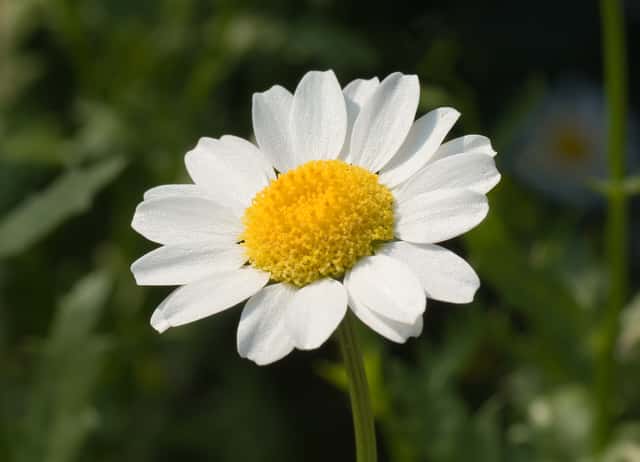
Mauranthemum paludosum, commonly known as Mini Marguerite or Creeping Daisy, is a compact, fast-growing annual native to the western Mediterranean region, including Spain, Morocco, Algeria, Tunisia, and the Balearic Islands. Belonging to the Asteraceae family, this charming dwarf plant reaches only 20–25 cm in height and produces an abundance of small, classic daisy flowers — white ray petals radiating around a bright yellow disc centre — that open and close in response to sunlight. It thrives in cool weather, making it a popular choice for fall and winter gardens in mild climates, and spring displays in cooler regions. Its low-spreading habit and prolific blooming make it ideal for borders, rock gardens, containers, and mass plantings.
How to Propagate Mini Marguerite?
How Big Does Mini Marguerite Grow?
TLDR: Mini Marguerite can reach up to 25cm tall with Fast growth rate.
Max height
25cm
Spread
25cm
Growth rate
Fast
Foliage
Deciduous
Plant Uses
Ornamental
Great for decoration
Ground Cover
Soil coverage
Is your plant showing symptoms?
Click on the symptom to discover possible causes:
What Diseases Commonly Affect Mini Marguerite?
TLDR: Mini Marguerite is susceptible to 6 known diseases. Monitor regularly for early detection.
Root Rot
Root rot is a serious fungal disease that affects the root system of plants, causing them to decay and die. It is primarily caused by overwatering, poor drainage, or soil-borne fungi such as Pythium, Phytophthora, Rhizoctonia, and Fusarium. The disease thrives in waterlogged conditions where roots are deprived of oxygen, making them susceptible to fungal infection.
Powdery Mildew
Powdery mildew is a common fungal disease caused by various fungi species including Erysiphe, Podosphaera, Oïdium, and Leveillula. It affects over 10,000 plant species worldwide. The disease thrives in warm, dry climates with high humidity and appears as a distinctive white powdery coating on plant surfaces.
Aphids
Aphids are small, soft-bodied, pear-shaped insects (1/16 to 1/8 inch long) that feed by sucking nutrient-rich sap from plants. They reproduce rapidly and can quickly weaken plants, causing distorted growth and transmitting plant viruses. Aphids come in various colors including green, black, red, yellow, brown, and gray. They secrete honeydew, a sticky substance that attracts ants and encourages sooty mold growth.
Leaf Spot
Leaf spot is a common fungal disease caused by various pathogens including Alternaria, Ascochyta, Colletotrichum, Septoria, and Venturia. It primarily affects leaves, causing discolored spots that can lead to premature leaf drop if left untreated.
Meaning & Symbolism
The Mini Marguerite symbolises innocence, cheerfulness, and simple beauty. Like other daisy-family flowers, it evokes a sense of lighthearted joy and the fleeting pleasures of the natural world. It is often associated with new beginnings and the charm of modest, unpretentious elegance.
Compare with similar plants
| Attribute | Difficulty | Light | Watering | Pet Safe |
|---|---|---|---|---|
| Field Maple | Easy | Bright indirect | 14d | ✓ |
| Silver Birch | Easy | Direct sun | 14d | ✓ |
| Cushion Bush | Easy | Direct sun | 14d | ✓ |
| Wild Lettuce | Medium | Direct sun | 7d | ⚠️ |





