Asteraceae
Treasure Flower (Gazania linearis): Full Care Guide
Gazania linearis
Treasure Flower is an extremely low-maintenance plant. It thrives in full sun and well-drained soils, tolerating prolonged drought once established. Water sparingly every 10-14 days, apply a light balanced fertilizer in spring, and deadhead spent blooms to encourage continuous flowering throughout the season.
Every 14 days
Direct sun
-10° - 38°C
30% - 60%
Categories
What is Treasure Flower?
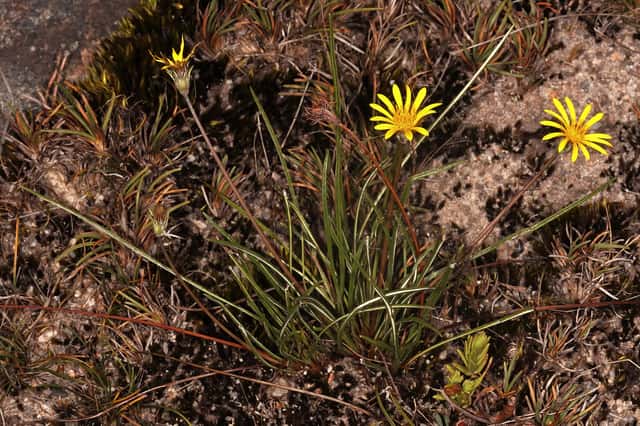
Treasure Flower (Gazania linearis) is a easy-care plant from the Asteraceae family. Gazania linearis, commonly known as the Treasure Flower or Narrow-leaved Treasure Flower, is a fast-growing perennial herb native to South Africa, belonging to the family Asteraceae. It produces striking, solitary daisy-like flower heads in vivid shades of yellow and orange with a contrasting dark c...
Treasure Flower grows up to 30cm, spread of 30cm, watering every 14 days, -10°C – 38°C, 30–60% humidity. It is not suitable for indoor environments and safe for pets.
Unlike many tropical plants, Treasure Flower tolerates watering mistakes. Best for beginners. Unlike many popular species, Treasure Flower is safe to keep around pets.
How to Care for Treasure Flower?
TLDR: Treasure Flower needs Direct sun, watering every 14 days, and temperatures between -10-38°C with 30-60% humidity.
How Often Should You Water Treasure Flower?
Water deeply but infrequently, approximately every 14 days, allowing the soil to dry out completely between waterings. Treasure Flower is highly drought-tolerant and is very susceptible to root rot if overwatered or left in waterlogged soil. Reduce watering further during winter dormancy.
How Much Light Does Treasure Flower Need?
Place in a location that receives at least 6 hours of direct sunlight daily. Treasure Flower requires bright, direct sun to produce its characteristic blooms and will fail to flower in shaded positions. It is ideal for south- or west-facing garden beds and sunny container displays.
What Is the Best Soil for Treasure Flower?
Grow in well-drained, sandy or loamy soil with a pH of 5.5 to 7.5. Treasure Flower is adaptable to poor, gravelly, and dry soils and will not tolerate heavy clay or waterlogged conditions. Amend heavy soils with coarse sand or grit to improve drainage.
What Pot Should You Use for Treasure Flower?
Terracotta or clay pots are ideal as they allow good aeration and prevent moisture build-up. Ensure containers have adequate drainage holes. Avoid large, deep pots that retain excess moisture around the roots.
Care Schedule
Fertilize
Every 60 days
What Is Treasure Flower and Where Does It Come From?
Gazania linearis, commonly known as the Treasure Flower or Narrow-leaved Treasure Flower, is a fast-growing perennial herb native to South Africa, belonging to the family Asteraceae. It produces striking, solitary daisy-like flower heads in vivid shades of yellow and orange with a contrasting dark center disk. The flowers open in full sunlight and close at night or on overcast days. It forms low, compact clumps ideal for borders, rock gardens, and ground cover in sunny, low-water landscapes.
How to Propagate Treasure Flower?
Seed Propagation
Sow in spring for best results. Cover with a clear propagator lid or plastic wrap to maintain humidity during germination.
- 1 Sow seeds shallowly on the surface of well-drained seed compost
- 2 Keep the growing medium lightly moist until germination
- 3 Transplant seedlings when they reach 2-3 inches tall
Materials needed:
Clump Division
Divide in early spring before active growth begins for the best establishment success.
- 1 Carefully lift the parent plant from the ground
- 2 Divide the clump into sections each with healthy roots attached
- 3 Replant divisions in a sunny spot with well-drained soil
Materials needed:
How Big Does Treasure Flower Grow?
TLDR: Treasure Flower can reach up to 30cm tall with Fast growth rate.
Max height
30cm
Spread
30cm
Growth rate
Fast
Foliage
Evergreen
Plant Uses
Ornamental
Great for decoration
Ground Cover
Soil coverage
Is your plant showing symptoms?
Click on the symptom to discover possible causes:
What Diseases Commonly Affect Treasure Flower?
TLDR: Treasure Flower is susceptible to 9 known diseases. Monitor regularly for early detection.
Powdery Mildew
Powdery mildew is a common fungal disease caused by various fungi species including Erysiphe, Podosphaera, Oïdium, and Leveillula. It affects over 10,000 plant species worldwide. The disease thrives in warm, dry climates with high humidity and appears as a distinctive white powdery coating on plant surfaces.
Root Rot
Root rot is a serious fungal disease that affects the root system of plants, causing them to decay and die. It is primarily caused by overwatering, poor drainage, or soil-borne fungi such as Pythium, Phytophthora, Rhizoctonia, and Fusarium. The disease thrives in waterlogged conditions where roots are deprived of oxygen, making them susceptible to fungal infection.
Gray Mold (Botrytis Blight)
Gray mold, caused by the fungus Botrytis cinerea, is one of the most common fungal diseases in plants. It affects over 200 plant species, including ornamentals, vegetables, fruits, and houseplants. The disease thrives in cool, humid conditions with poor air circulation, causing grayish spots and soft rot on infected tissues.
Spider Mites
Spider mites are tiny arachnids (less than 1/20 inch long) related to spiders and ticks that feed on plant sap. They thrive in hot, dry conditions and can cause significant damage to ornamental and vegetable plants. During severe infestations, crop losses can reach 14% or higher as these pests disrupt vital plant processes including photosynthesis, carbon dioxide absorption, and transpiration.
Meaning & Symbolism
Gazania linearis symbolizes brightness, resilience, and vitality — a flower that opens only to greet the full strength of the sun, embodying optimism and determination.
Fun Facts
Gazania flowers open only in direct sunlight and close at night — this heliotropic behavior is one of their most distinctive traits
The species name linearis refers to the plant's narrow, linear leaves that distinguish it from broader-leaved Gazania species
Native to the rocky grasslands and coastal areas of South Africa, Gazania linearis thrives in the very soils that defeat most garden plants
Frequently asked questions
How often should I water my Treasure Flower?
Why do my Gazania flowers keep closing?
Can Treasure Flower survive frost?
Is Gazania linearis toxic to pets?
Compare with similar plants
| Attribute | Difficulty | Light | Watering | Pet Safe |
|---|---|---|---|---|
| Field Maple | Easy | Bright indirect | 14d | ✓ |
| Silver Birch | Easy | Direct sun | 14d | ✓ |
| Cushion Bush | Easy | Direct sun | 14d | ✓ |
| Wild Lettuce | Medium | Direct sun | 7d | ⚠️ |





