Arecaceae
Montgomery Palm (Veitchia arecina)
Veitchia arecina
A high-light plant that thrives in full sun. Water every 3–5 days with excellent drainage, maintain humidity between 50–80%, and protect from temperatures below 2°C. Best suited to tropical and subtropical climates (USDA Zones 10b–12).
Every 4 days
Bright indirect
2° - 35°C
50% - 80%
Categories
What is Montgomery Palm?
Montgomery Palm (Veitchia arecina) is a medium-care plant from the Arecaceae family. The Montgomery Palm (Veitchia arecina) is a fast-growing tropical palm native to the islands of Vanuatu in the Melanesian archipelago. Featuring a slender solitary trunk with a distinctive pale green crownshaft and lush pinnate fronds, it is widely prized as an ornamental specimen in tropical and su...
Montgomery Palm grows up to 20.0m, spread of 400cm, watering every 4 days, 2°C – 35°C, 50–80% humidity. It is suitable for indoor environments and safe for pets.
Unlike many popular species, Montgomery Palm is safe to keep around pets. Without adequate drainage, root rot can develop within 8 days.
How to Care for Montgomery Palm?
TLDR: Montgomery Palm needs Bright indirect, watering every 4 days, and temperatures between 2-35°C with 50-80% humidity.
How Often Should You Water Montgomery Palm?
Water every 3 to 5 days, ensuring the soil drains thoroughly and never becomes waterlogged. Increase frequency during hot dry spells. Avoid wetting the crown directly to prevent crown rot.
How Much Light Does Montgomery Palm Need?
Thrives in full sun. Young palms tolerate partial shade, but mature specimens require high light levels. Avoid prolonged deep shade which weakens frond development.
What Is the Best Soil for Montgomery Palm?
Use a well-draining soil mix rich in organic matter — a blend of topsoil, compost, perlite, and sand works well. Maintain a soil pH between 6.0 and 7.5.
What Pot Should You Use for Montgomery Palm?
Large container with ample drainage holes. Terracotta or durable plastic pots work well for container growing. Ideally planted directly in the ground outdoors.
Care Schedule
Fertilize
Every 14 days
Misting
Every 3 days
Rotate
Every 7 days
Repot
Every 365 days
What Is Montgomery Palm and Where Does It Come From?
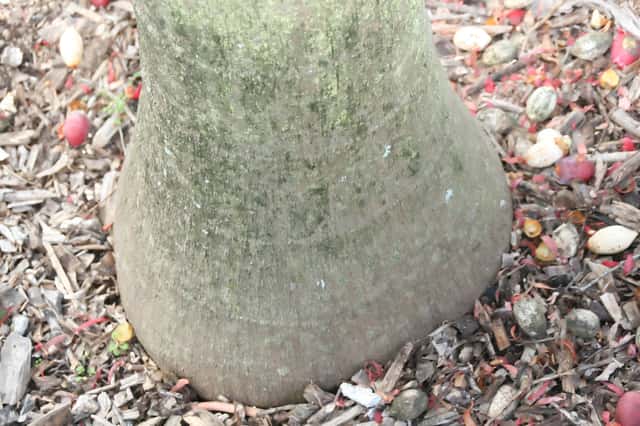
The Montgomery Palm (Veitchia arecina) is a fast-growing tropical palm native to the islands of Vanuatu in the Melanesian archipelago. Featuring a slender solitary trunk with a distinctive pale green crownshaft and lush pinnate fronds, it is widely prized as an ornamental specimen in tropical and subtropical gardens.
How Big Does Montgomery Palm Grow?
TLDR: Montgomery Palm can reach up to 20.0m tall with Fast growth rate.
Max height
20.0m
Spread
4.0m
Growth rate
Fast
Foliage
Evergreen
Plant Uses
Ornamental
Great for decoration
Is your plant showing symptoms?
Click on the symptom to discover possible causes:
What Diseases Commonly Affect Montgomery Palm?
TLDR: Montgomery Palm is susceptible to 8 known diseases. Monitor regularly for early detection.
Root Rot
Root rot is a serious fungal disease that affects the root system of plants, causing them to decay and die. It is primarily caused by overwatering, poor drainage, or soil-borne fungi such as Pythium, Phytophthora, Rhizoctonia, and Fusarium. The disease thrives in waterlogged conditions where roots are deprived of oxygen, making them susceptible to fungal infection.
Scale Insects
Scale insects are small sap-sucking pests that appear as brown, shell-like bumps on plant stems and leaves. There are over 25 species, divided into armored (hard) and unarmored (soft) scales. They feed by piercing plant tissue and extracting sap, which weakens the plant and can lead to yellowing, stunted growth, and even death if left untreated. They also excrete honeydew, which attracts ants and promotes sooty mold growth.
Mealybugs
Mealybugs are small, soft-bodied insects covered with a white, waxy, cottony material. They are common pests of houseplants and outdoor plants in mild climates. These sap-sucking insects feed on plant tissue, causing damage, stunted growth, and can lead to plant death if left untreated. They produce sticky honeydew which attracts sooty mold.
Magnesium Deficiency
Magnesium deficiency is a nutrient disorder characterized by interveinal chlorosis, where leaf tissue between veins turns yellow while the veins remain green. This deficiency affects older leaves first as magnesium is a mobile nutrient that plants relocate to support new growth. Magnesium is essential for chlorophyll production and photosynthesis, making this deficiency critical for plant health.
Fun Facts
Veitchia arecina is endemic to the islands of Espiritu Santo, Malo, and Aore in Vanuatu.
Its ellipsoid fruits turn brilliant glossy red when ripe, attracting birds.
It can reach up to 20 metres in height under optimal growing conditions.
Frequently asked questions
Can the Montgomery Palm be grown indoors?
Is the Montgomery Palm toxic?
Compare with similar plants
| Attribute | Difficulty | Light | Watering | Pet Safe |
|---|---|---|---|---|
| Dark Fieldcap | Medium | Low light | 2d | ⚠️ |
| Azalea | Medium | Partial shade | 3d | ⚠️ |
| Bougainvillea | Medium | Direct sun | 7d | ⚠️ |
| Wild Lettuce | Medium | Direct sun | 7d | ⚠️ |



