Crassulaceae
How to Care for Mother of Millions (Kalanchoe delagoensis)
Kalanchoe delagoensis
An easy-care succulent that thrives on neglect. Water sparingly every 10 days in the growing season, reduce to monthly in winter. Provide bright, direct light. Use sandy, well-draining soil. Avoid overwatering at all costs — root rot is the main killer. Keep indoors in cold climates (below 10°C). All parts are toxic to pets and livestock due to cardiac glycosides.
Every 10 days
Bright indirect
10° - 35°C
30% - 50%
Categories
What is Mother of Millions?
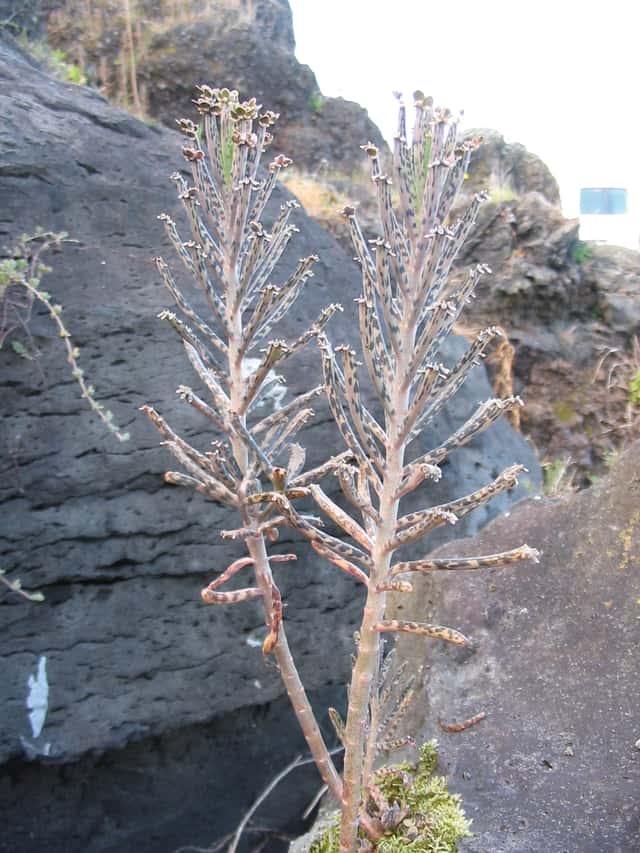
Mother of Millions (Kalanchoe delagoensis) is a easy-care plant from the Crassulaceae family. Kalanchoe delagoensis, commonly known as Mother of Millions or Chandelier Plant, is a striking succulent native to Madagascar. Also known by its synonym Bryophyllum delagoense, this fast-growing plant is famous for producing tiny plantlets along the edges of its tubular, mottled leaves — a form of v...
Mother of Millions grows up to 1.2m, spread of 60cm, watering every 10 days, 10°C – 35°C, 30–50% humidity. It is suitable for indoor environments and not safe for pets.
Unlike many tropical plants, Mother of Millions tolerates watering mistakes. Best for beginners. Without precautions, ingestion can cause irritation in pets. Keep out of reach of cats and dogs. Without adequate drainage, root rot can develop within 20 days.
How to Care for Mother of Millions?
TLDR: Mother of Millions needs Bright indirect, watering every 10 days, and temperatures between 10-35°C with 30-50% humidity.
How Often Should You Water Mother of Millions?
Water every 10 days during spring, summer and fall, letting the soil dry out completely between waterings. In winter, reduce to once a month. This is a drought-tolerant succulent — when in doubt, underwater rather than overwater.
How Much Light Does Mother of Millions Need?
Needs bright light to full sun — at least 6 hours daily. Outdoors, acclimate gradually to avoid sunburn. Indoors, place in the brightest window available (south or west-facing). Insufficient light causes etiolation and leggy growth.
What Is the Best Soil for Mother of Millions?
Plant in sandy or gritty cactus mix with excellent drainage. A pH of 6.0–6.5 is ideal. Never use heavy clay or moisture-retaining mixes. Ensure the pot has drainage holes.
What Pot Should You Use for Mother of Millions?
Terracotta or unglazed clay pots are ideal — they allow excess moisture to evaporate and reduce root rot risk. Choose pots with drainage holes. Avoid large pots; this plant prefers slightly snug conditions.
Care Schedule
Fertilize
Every 30 days
What Is Mother of Millions and Where Does It Come From?
Kalanchoe delagoensis, commonly known as Mother of Millions or Chandelier Plant, is a striking succulent native to Madagascar. Also known by its synonym Bryophyllum delagoense, this fast-growing plant is famous for producing tiny plantlets along the edges of its tubular, mottled leaves — a form of vegetative reproduction that makes it incredibly prolific. Upright stems can reach 120 cm, topped in winter and spring with clusters of pendant, tubular orange-red flowers. Because of its aggressive spread via these plantlets, it is classified as an invasive weed in Australia, Florida, South Africa, and several Pacific Islands.
How to Propagate Mother of Millions?
Leaf-tip Plantlets
Plantlets will root on their own even without soil contact. Collect only what you intend to grow — discard extras responsibly to prevent invasive spread outdoors.
- 1 Collect the tiny plantlets that naturally drop from leaf edges
- 2 Place them on the surface of dry, sandy cactus mix — do not bury
- 3 Mist lightly every few days until roots appear
- 4 Once rooted (1-2 weeks), treat as a normal succulent
Materials needed:
Stem Cutting
Do not water immediately after planting — the calloused end needs time to initiate roots without rotting.
- 1 Cut a healthy stem 5-10 cm long with a clean, sharp knife
- 2 Allow the cut end to callous for 2-3 days in a dry, shaded spot
- 3 Plant in dry sandy soil and do not water for the first week
- 4 Begin watering sparingly once new growth appears
Materials needed:
How Big Does Mother of Millions Grow?
TLDR: Mother of Millions can reach up to 1.2m tall with Fast growth rate.
Max height
1.2m
Spread
60cm
Growth rate
Fast
Foliage
Evergreen
Warning: Toxic Plant
This plant can be toxic if ingested. Keep out of reach of:
Plant Uses
Ornamental
Great for decoration
Is your plant showing symptoms?
Click on the symptom to discover possible causes:
What Diseases Commonly Affect Mother of Millions?
TLDR: Mother of Millions is susceptible to 10 known diseases. Monitor regularly for early detection.
Root Rot
Root rot is a serious fungal disease that affects the root system of plants, causing them to decay and die. It is primarily caused by overwatering, poor drainage, or soil-borne fungi such as Pythium, Phytophthora, Rhizoctonia, and Fusarium. The disease thrives in waterlogged conditions where roots are deprived of oxygen, making them susceptible to fungal infection.
Powdery Mildew
Powdery mildew is a common fungal disease caused by various fungi species including Erysiphe, Podosphaera, Oïdium, and Leveillula. It affects over 10,000 plant species worldwide. The disease thrives in warm, dry climates with high humidity and appears as a distinctive white powdery coating on plant surfaces.
Downy Mildew
Downy mildew is a fungal-like disease caused by oomycetes (water molds) that thrives in cool, wet conditions. It affects a wide range of plants, causing yellowing leaves with fuzzy white-gray growth underneath, leading to defoliation and reduced yields if left untreated.
Mealybugs
Mealybugs are small, soft-bodied insects covered with a white, waxy, cottony material. They are common pests of houseplants and outdoor plants in mild climates. These sap-sucking insects feed on plant tissue, causing damage, stunted growth, and can lead to plant death if left untreated. They produce sticky honeydew which attracts sooty mold.
Meaning & Symbolism
Symbolises abundance, resilience, and the power of life to multiply and persist against all odds.
Fun Facts
Each leaf can produce dozens of plantlets — a single plant can theoretically generate thousands of offspring in one season, hence the name Mother of Millions.
Its synonym Bryophyllum delagoense reflects an older genus classification; both names are still widely used in botanical literature.
The cardiac glycosides in this plant (bufadienolides) are so potent they have caused mass livestock poisonings in Australia and South Africa.
Despite being invasive outdoors, it is a popular and easy-care houseplant in colder climates where frost keeps it contained.
Frequently asked questions
Is Mother of Millions toxic to cats and dogs?
Why are tiny plants growing on my Kalanchoe delagoensis leaves?
How often should I water Mother of Millions?
Can I grow Kalanchoe delagoensis outdoors?
Why is my Mother of Millions growing tall and leggy?
Compare with similar plants
| Attribute | Difficulty | Light | Watering | Pet Safe |
|---|---|---|---|---|
| Small Scabious | Easy | Direct sun | 7d | ✓ |
| Field Maple | Easy | Bright indirect | 14d | ✓ |
| Silver Birch | Easy | Direct sun | 14d | ✓ |
| Cushion Bush | Easy | Direct sun | 14d | ✓ |




