Adoxaceae
Guelder Rose (Viburnum opulus): Care, Growing & Garden Uses
Viburnum opulus
Guelder Rose is a low-maintenance deciduous shrub that thrives in full sun to partial shade with consistently moist, well-drained soil. Water regularly during the first two years after planting, then only during extended dry spells. Fertilize once in spring and prune after flowering to maintain shape. Hardy to -29°C, it needs no winter protection in most temperate gardens.
Every 7 days
Bright indirect
-29° - 30°C
40% - 70%
Categories
What is Guelder Rose?
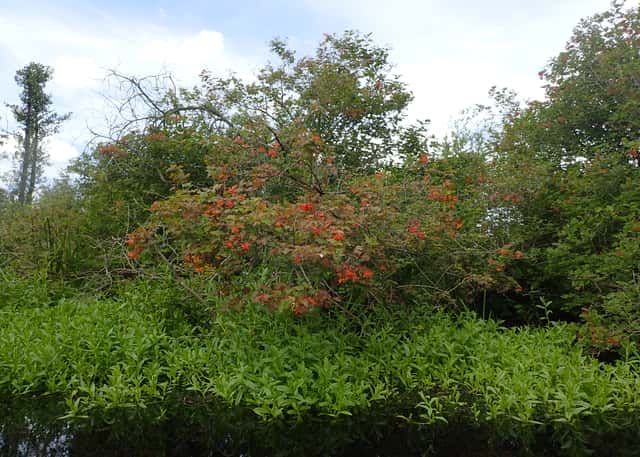
Guelder Rose (Viburnum opulus) is a medium-care plant from the Adoxaceae family. Viburnum opulus, commonly known as Guelder Rose or European Cranberrybush, is a deciduous shrub native to Europe, North Africa, and Central Asia. It produces spectacular flat-topped clusters of white flowers in late spring, followed by brilliant red berries that persist into winter. The lobed, maple...
Guelder Rose grows up to 5.0m, spread of 460cm, watering every 7 days, -29°C – 30°C, 40–70% humidity. It is not suitable for indoor environments and not safe for pets.
Without precautions, ingestion can cause irritation in pets. Keep out of reach of cats and dogs.
How to Care for Guelder Rose?
TLDR: Guelder Rose needs Bright indirect, watering every 7 days, and temperatures between -29-30°C with 40-70% humidity.
How Often Should You Water Guelder Rose?
Water newly planted shrubs deeply every 7 days during the first growing season. Once established, Guelder Rose is moderately drought tolerant — water only during prolonged dry spells, allowing the top 2-3 cm of soil to dry between waterings. Reduce watering completely in winter.
How Much Light Does Guelder Rose Need?
Guelder Rose thrives in full sun to partial shade, needing at least 4-6 hours of direct sunlight daily. Full sun promotes the best flowering and berry production. In hotter climates, afternoon shade helps prevent leaf scorch.
What Is the Best Soil for Guelder Rose?
Plant in moist, well-drained loamy soil enriched with organic matter. Guelder Rose is adaptable to a wide pH range (5.5–8.0) and tolerates clay soils provided they are not waterlogged. Amend heavy clay with grit or compost to improve drainage.
What Pot Should You Use for Guelder Rose?
Plant in a large, frost-resistant container (minimum 60 cm diameter) with drainage holes if growing in pots. Use a terracotta or wooden planter to allow airflow to roots. Note: Guelder Rose prefers open ground and is best suited to garden planting.
Care Schedule
Fertilize
Every 60 days
What Is Guelder Rose and Where Does It Come From?
Viburnum opulus, commonly known as Guelder Rose or European Cranberrybush, is a deciduous shrub native to Europe, North Africa, and Central Asia. It produces spectacular flat-topped clusters of white flowers in late spring, followed by brilliant red berries that persist into winter. The lobed, maple-like leaves turn red-purple in autumn, making this a four-season garden plant beloved by wildlife.
How to Propagate Guelder Rose?
Softwood Stem Cutting
Keep the cutting mix moist but not waterlogged. Bottom heat (20°C) significantly improves rooting success.
- 1 Take a 10-15 cm cutting from a healthy, non-flowering shoot in late spring
- 2 Remove the lower leaves leaving only 2-3 at the tip
- 3 Dip the cut end in rooting hormone powder
- 4 Insert into a mix of perlite and peat-free compost
- 5 Cover with a clear plastic bag to maintain humidity
- 6 Place in bright indirect light at 18-22°C and check for rooting after 4 weeks
Materials needed:
Seed Propagation
Seed germination is slow and erratic due to double dormancy. Vegetative propagation is faster and more reliable.
- 1 Collect ripe red berries in autumn
- 2 Remove the flesh and clean the seeds
- 3 Stratify: 16 weeks warm (20°C) followed by 16 weeks cold (4°C)
- 4 Sow in seed compost in spring after cold stratification
- 5 Germination may take a second season
Materials needed:
How Big Does Guelder Rose Grow?
TLDR: Guelder Rose can reach up to 5.0m tall with Medium growth rate.
Max height
5.0m
Spread
4.6m
Growth rate
Medium
Foliage
Deciduous
Warning: Toxic Plant
This plant can be toxic if ingested. Keep out of reach of:
Plant Uses
Ornamental
Great for decoration
Medicinal
Medicinal properties
Edible
Can be consumed
Medicinal Uses
- Bark has been used in traditional European medicine as an antispasmodic and to treat menstrual cramps, muscle spasms, and anxiety
- Berries contain viburnin and have mild sedative properties
Culinary Uses
- Berries are edible when cooked and can be made into jellies, jams, and sauces
- High in vitamin C; bitter when raw but palatable after frost or cooking
Is your plant showing symptoms?
Click on the symptom to discover possible causes:
What Diseases Commonly Affect Guelder Rose?
TLDR: Guelder Rose is susceptible to 10 known diseases. Monitor regularly for early detection.
Powdery Mildew
Powdery mildew is a common fungal disease caused by various fungi species including Erysiphe, Podosphaera, Oïdium, and Leveillula. It affects over 10,000 plant species worldwide. The disease thrives in warm, dry climates with high humidity and appears as a distinctive white powdery coating on plant surfaces.
Aphids
Aphids are small, soft-bodied, pear-shaped insects (1/16 to 1/8 inch long) that feed by sucking nutrient-rich sap from plants. They reproduce rapidly and can quickly weaken plants, causing distorted growth and transmitting plant viruses. Aphids come in various colors including green, black, red, yellow, brown, and gray. They secrete honeydew, a sticky substance that attracts ants and encourages sooty mold growth.
Leaf Spot
Leaf spot is a common fungal disease caused by various pathogens including Alternaria, Ascochyta, Colletotrichum, Septoria, and Venturia. It primarily affects leaves, causing discolored spots that can lead to premature leaf drop if left untreated.
Cercospora Leaf Spot
Cercospora leaf spot is a common fungal disease caused by Cercospora species that affects many plant types, particularly beets, roses, and leafy vegetables. The disease thrives in warm, humid conditions and can cause significant defoliation, reducing plant vigor and yield. It spreads rapidly through water splash, wind, and contaminated tools.
Meaning & Symbolism
In European folklore, Guelder Rose symbolizes purity, grace, and protection. In Ukrainian tradition (where it is called Kalyna), it holds deep national significance as a symbol of beauty, the homeland, and the indestructibility of the Ukrainian people.
Fun Facts
Guelder Rose is the national floral symbol of Ukraine, where it is called Kalyna and features in traditional songs and embroidery
The bright red berries persist on the shrub well into winter, providing vital food for birds when little else is available
Despite looking like cranberries, the berries are not true cranberries — they belong to an entirely different plant family
A mature Guelder Rose can reach 5 metres in height and live for several decades in suitable conditions
Frequently asked questions
How often should I water Guelder Rose?
Are Viburnum opulus berries poisonous?
When does Guelder Rose flower?
Can I grow Guelder Rose in a pot?
Does Guelder Rose attract wildlife?
Compare with similar plants
| Attribute | Difficulty | Light | Watering | Pet Safe |
|---|---|---|---|---|
| Dark Fieldcap | Medium | Low light | 2d | ⚠️ |
| Azalea | Medium | Partial shade | 3d | ⚠️ |
| Bougainvillea | Medium | Direct sun | 7d | ⚠️ |
| Wild Lettuce | Medium | Direct sun | 7d | ⚠️ |



