Malvaceae
Musk Mallow: Aromatic Plant
Malva moschata
Musk mallow thrives with minimal fuss: give it full sun, average well-drained soil, and water only when the topsoil dries out. Deadhead spent blooms to prolong flowering, and watch for rust or leaf spot in humid, crowded conditions.
Every 9 days
Bright indirect
° - °C
% - %
Categories
What is Musk Mallow?
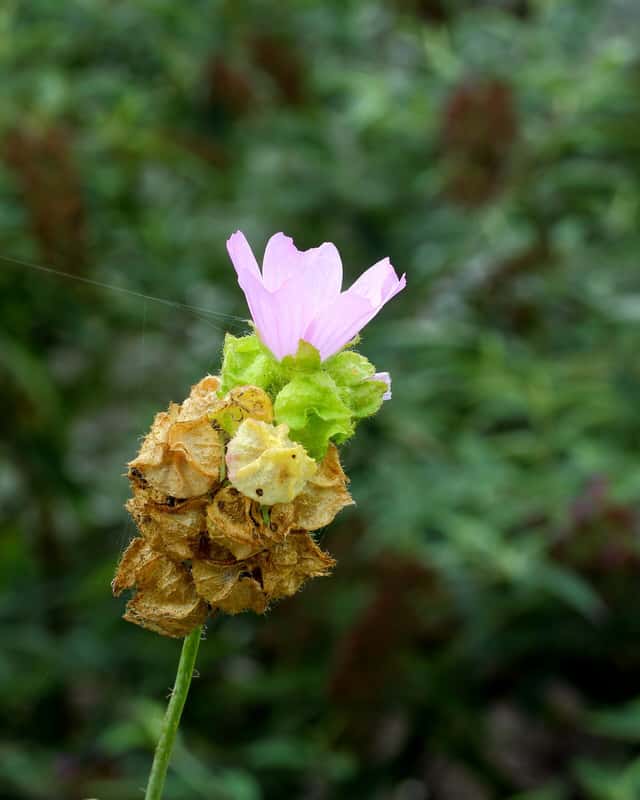
Musk Mallow (Malva moschata) is a easy-care plant from the Malvaceae family. A tall, airy European wildflower prized in cottage gardens for its finely cut, musk-scented foliage and abundant rose-pink, saucer-shaped blooms held on slender stems from early summer into fall. Naturalized across much of North America, it self-seeds readily in meadows, hedgebanks, and sunny border...
Musk Mallow grows up to 90cm, spread of 60cm, watering every 9 days. It is not suitable for indoor environments and safe for pets.
Unlike many tropical plants, Musk Mallow tolerates watering mistakes. Best for beginners. Unlike many popular species, Musk Mallow is safe to keep around pets.
How to Care for Musk Mallow?
TLDR: Musk Mallow needs Bright indirect, watering every 9 days, and temperatures between 15-30°C with 40-70% humidity.
How Often Should You Water Musk Mallow?
Let the soil dry out partially between waterings; musk mallow tolerates occasional drought but resents consistently soggy soil, which invites root rot.
How Much Light Does Musk Mallow Need?
Give it full sun for the best flowering, though it tolerates partial shade in hotter climates.
What Is the Best Soil for Musk Mallow?
Plant in average to fertile, well-drained soil - clay, loam, or sand all work as long as drainage is good.
What Pot Should You Use for Musk Mallow?
A wide terracotta or unglazed clay pot with generous drainage holes suits its fibrous roots and helps prevent waterlogging.
Care Schedule
Repot
Every 365 days
What Is Musk Mallow and Where Does It Come From?
A tall, airy European wildflower prized in cottage gardens for its finely cut, musk-scented foliage and abundant rose-pink, saucer-shaped blooms held on slender stems from early summer into fall. Naturalized across much of North America, it self-seeds readily in meadows, hedgebanks, and sunny borders, attracting bees and butterflies all season long.
How to Propagate Musk Mallow?
Seed sowing
Musk mallow self-seeds freely once established, so allow a few seed heads to mature if you want volunteer seedlings the following year.
- 1 Sow seeds directly outdoors after the last frost, or start indoors in a cold frame in early spring
- 2 Cover lightly with soil, about 3mm deep
- 3 Keep the soil consistently moist until germination
- 4 Thin seedlings to 30-45cm apart once true leaves appear
Materials needed:
Basal cuttings
Side-shoot cuttings taken in July or August also root well; keep the compost moist but never waterlogged.
- 1 In late spring, cut a young basal shoot with 2-3 leaves close to the base of the plant
- 2 Remove the lower leaves and dip the cut end in rooting hormone
- 3 Insert into a pot of moist, well-draining compost
- 4 Keep in bright, indirect light until roots establish
Materials needed:
How Big Does Musk Mallow Grow?
TLDR: Musk Mallow can reach up to 90cm tall with Medium growth rate.
Max height
90cm
Spread
60cm
Growth rate
Medium
Foliage
Deciduous
Plant Uses
Edible
Can be consumed
Medicinal
Medicinal properties
Ornamental
Great for decoration
Aromatic
Pleasant fragrance
Medicinal Uses
- Soothing poultice for bruises and insect bites
- Traditional remedy for coughs and sore throats
- Mild laxative, especially for children
- Anti-inflammatory and diuretic infusion
Culinary Uses
- Young leaves added raw to salads
- Flowers used as an edible, mildly flavored garnish
- Immature seeds eaten as a nutty snack
Is your plant showing symptoms?
Click on the symptom to discover possible causes:
What Diseases Commonly Affect Musk Mallow?
TLDR: Musk Mallow is susceptible to 9 known diseases. Monitor regularly for early detection.
Rust
Rust is a common fungal disease caused by fungi in the order Pucciniales that affects a wide variety of plants. The disease gets its name from the characteristic orange, yellow, or reddish-brown pustules that appear on leaves, resembling metal rust. This obligate fungal parasite requires living plants to survive and can cause significant economic losses in agricultural crops.
Leaf Spot
Leaf spot is a common fungal disease caused by various pathogens including Alternaria, Ascochyta, Colletotrichum, Septoria, and Venturia. It primarily affects leaves, causing discolored spots that can lead to premature leaf drop if left untreated.
Anthracnose
Anthracnose is a fungal disease caused by fungi in the genus Colletotrichum that affects many plants, including vegetables, fruits, and trees. The disease thrives in cool, wet conditions, causing dark, sunken lesions on leaves, stems, flowers, and fruits.
Crown Gall
Crown gall is a bacterial disease caused by Agrobacterium tumefaciens that affects over 140 species of plants. The bacteria insert DNA into plant cells, causing them to divide uncontrollably and form large tumor-like growths (galls) primarily on roots, stems, and at the soil line. These galls restrict water and nutrient flow, severely impacting plant health and potentially killing the plant.
Meaning & Symbolism
In Victorian floriography, musk mallow meant being consumed by love; folklore also linked it to forgiveness and remembrance.
Compare with similar plants
| Attribute | Difficulty | Light | Watering | Pet Safe |
|---|---|---|---|---|
| Field Maple | Easy | Bright indirect | 14d | ✓ |
| Silver Birch | Easy | Direct sun | 14d | ✓ |
| Common Blanketflower | Easy | Direct sun | 10d | ✓ |
| Cushion Bush | Easy | Direct sun | 14d | ✓ |





