Asteraceae
Narrowleaf Hawkweed: Complete Growing & Care Guide
Hieracium umbellatum
A low-maintenance, drought-tolerant perennial once established. Prefers full sun to light shade and well-drained soil, even poor or sandy soil. Rarely needs fertilizing.
Every 7 days
Bright indirect
-25° - 30°C
30% - 50%
Categories
What is Narrowleaf Hawkweed?
Narrowleaf Hawkweed (Hieracium umbellatum) is a easy-care plant from the Asteraceae family. Narrowleaf hawkweed is a perennial herb in the Asteraceae family, native to temperate regions across the Northern Hemisphere (Europe, Asia, and North America). It forms a basal rosette with narrow, toothed leaves and produces umbrella-shaped clusters of dandelion-like yellow flowerheads from mid-sum...
Narrowleaf Hawkweed grows up to 80cm, spread of 45cm, watering every 7 days, -25°C – 30°C, 30–50% humidity. It is not suitable for indoor environments and safe for pets.
Unlike many tropical plants, Narrowleaf Hawkweed tolerates watering mistakes. Best for beginners. Unlike many popular species, Narrowleaf Hawkweed is safe to keep around pets.
How to Care for Narrowleaf Hawkweed?
TLDR: Narrowleaf Hawkweed needs Bright indirect, watering every 7 days, and temperatures between -25-30°C with 30-50% humidity.
How Often Should You Water Narrowleaf Hawkweed?
Water moderately at planting; established plants tolerate dry spells and need little supplemental watering.
How Much Light Does Narrowleaf Hawkweed Need?
Grows best in full sun but tolerates light shade.
What Is the Best Soil for Narrowleaf Hawkweed?
Adapts to sandy, loamy, or clay soils as long as they are well-drained; tolerates poor fertility.
What Pot Should You Use for Narrowleaf Hawkweed?
Not applicable (outdoor garden/border plant)
What Is Narrowleaf Hawkweed and Where Does It Come From?
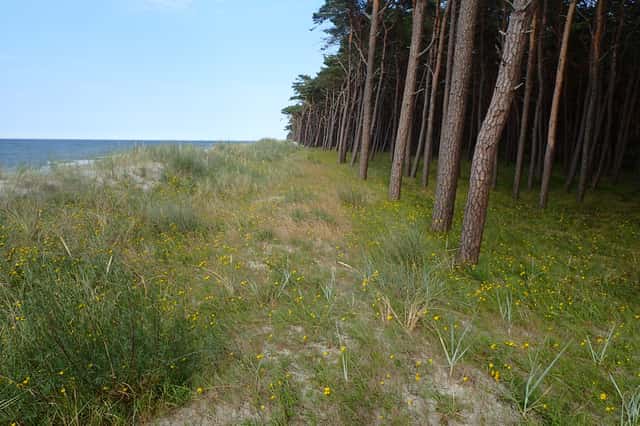
Narrowleaf hawkweed is a perennial herb in the Asteraceae family, native to temperate regions across the Northern Hemisphere (Europe, Asia, and North America). It forms a basal rosette with narrow, toothed leaves and produces umbrella-shaped clusters of dandelion-like yellow flowerheads from mid-summer to fall. It is a hardy, adaptable plant commonly found along roadsides, in open woodlands, and on sandy or disturbed ground.
How to Propagate Narrowleaf Hawkweed?
Seed sowing
Seeds germinate best with light exposure; do not bury too deep.
- 1 Sow seeds directly outdoors or in trays in spring
- 2 Keep the substrate lightly moist until germination
- 3 Transplant seedlings once true leaves appear
Materials needed:
Clump division
Keep soil moist until new divisions establish.
- 1 Divide the clump in early spring or fall
- 2 Separate basal rosettes with roots attached
- 3 Replant immediately into well-drained soil
Materials needed:
How Big Does Narrowleaf Hawkweed Grow?
TLDR: Narrowleaf Hawkweed can reach up to 80cm tall with Fast growth rate.
Max height
80cm
Spread
45cm
Growth rate
Fast
Foliage
Deciduous
Plant Uses
Edible
Can be consumed
Medicinal
Medicinal properties
Medicinal Uses
- Traditional medicinal use poorly documented (low confidence)
Culinary Uses
- Young leaves occasionally eaten in small quantities
Is your plant showing symptoms?
Click on the symptom to discover possible causes:
What Diseases Commonly Affect Narrowleaf Hawkweed?
TLDR: Narrowleaf Hawkweed is susceptible to 3 known diseases. Monitor regularly for early detection.
Gray Mold (Botrytis Blight)
Gray mold, caused by the fungus Botrytis cinerea, is a widespread necrotrophic pathogen affecting over 1,400 plant species. It thrives in cool, humid conditions and attacks weakened or aging plant tissues, causing soft rot and characteristic gray fuzzy growth.
Bacterial Leaf Spot
Bacterial leaf spot is a plant disease caused by bacteria in the Xanthomonas and Pseudomonas genera that affects various ornamental and edible plants. The bacteria infect leaves through wounds or natural openings, causing characteristic lesions that can lead to premature leaf drop and plant weakening.
Slugs and Snails
Slugs and snails are mollusks that feed on plant tissue, causing irregular holes in leaves and damage to young seedlings. They are most active at night and in moist conditions, leaving characteristic silvery slime trails. These pests can quickly devastate gardens, especially during wet seasons.
Fun Facts
Its yellow flowerheads look like tiny dandelions arranged in umbrella-like clusters.
It is native to nearly the entire temperate Northern Hemisphere.
Frequently asked questions
Does Narrowleaf Hawkweed need a lot of water?
Is this plant toxic to pets?
How do you propagate Narrowleaf Hawkweed?
Compare with similar plants
| Attribute | Difficulty | Light | Watering | Pet Safe |
|---|---|---|---|---|
| Field Maple | Easy | Bright indirect | 14d | ✓ |
| Silver Birch | Easy | Direct sun | 14d | ✓ |
| Cushion Bush | Easy | Direct sun | 14d | ✓ |
| Wild Lettuce | Medium | Direct sun | 7d | ⚠️ |





