Aspleniaceae
Birds Nest Fern (Asplenium australasicum)
Asplenium australasicum
Prefers filtered light, consistently moist but well-draining soil, and high humidity. Avoid getting water into the center rosette to prevent bacterial disease.
Every 8 days
Partial shade
10° - 27°C
60% - 80%
Categories
What is Birds Nest Fern?
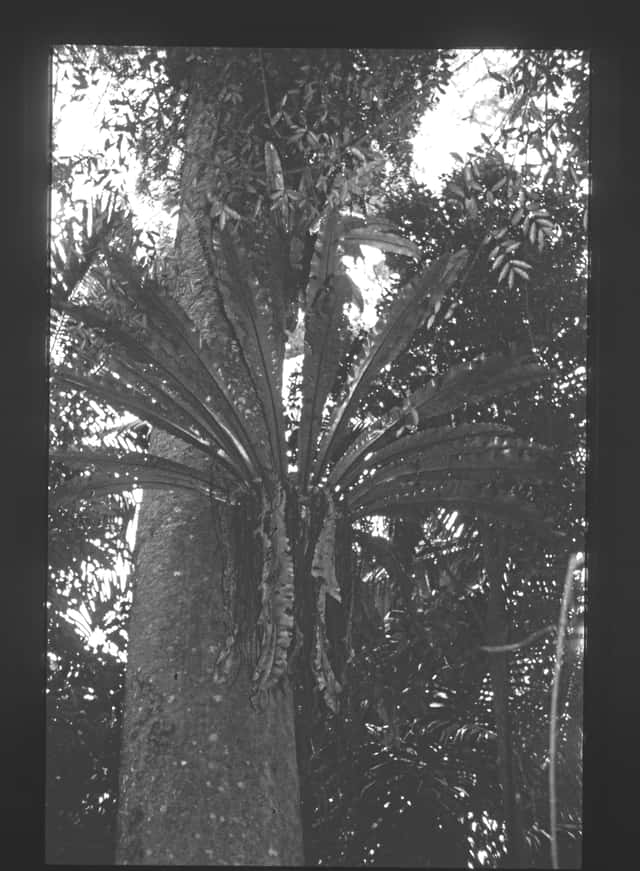
Birds Nest Fern (Asplenium australasicum) is a medium-care plant from the Aspleniaceae family. Asplenium australasicum, commonly known as the birds nest fern, is an epiphytic fern native to the rainforests of eastern Australia. Its broad, wavy fronds grow in a rosette, forming a bowl shape that collects fallen leaves and rainwater in the wild.
Birds Nest Fern grows up to 90cm, spread of 90cm, watering every 8 days, 10°C – 27°C, 60–80% humidity. It is suitable for indoor environments and safe for pets.
Unlike many popular species, Birds Nest Fern is safe to keep around pets. Without adequate drainage, root rot can develop within 16 days.
How to Care for Birds Nest Fern?
TLDR: Birds Nest Fern needs Partial shade, watering every 8 days, and temperatures between 10-27°C with 60-80% humidity.
How Often Should You Water Birds Nest Fern?
Water when the top layer of soil dries out, applying water at the base rather than the center to avoid pooling that can cause rot.
How Much Light Does Birds Nest Fern Need?
Filtered, indirect light is ideal; direct sun scorches the fronds.
What Is the Best Soil for Birds Nest Fern?
Use a light, well-draining mix such as an orchid or bromeliad blend with plenty of perlite.
What Pot Should You Use for Birds Nest Fern?
A pot with good drainage, ideally a porous material like terracotta
Care Schedule
Fertilize
Every 60 days
Repot
Every 730 days
What Is Birds Nest Fern and Where Does It Come From?
Asplenium australasicum, commonly known as the birds nest fern, is an epiphytic fern native to the rainforests of eastern Australia. Its broad, wavy fronds grow in a rosette, forming a bowl shape that collects fallen leaves and rainwater in the wild.
How to Propagate Birds Nest Fern?
Spore propagation
Home propagation is difficult; commercial growers usually rely on tissue culture instead.
- 1 Collect mature spores from the underside of fronds
- 2 Sow onto sterile, moist growing medium
- 3 Keep in a high-humidity environment at 21-27C
- 4 Wait for germination and seedling development
Materials needed:
How Big Does Birds Nest Fern Grow?
TLDR: Birds Nest Fern can reach up to 90cm tall with Medium growth rate.
Max height
90cm
Spread
90cm
Growth rate
Medium
Foliage
Evergreen
Plant Uses
Ornamental
Great for decoration
Air Purifying
Improves air quality
Is your plant showing symptoms?
Click on the symptom to discover possible causes:
What Diseases Commonly Affect Birds Nest Fern?
TLDR: Birds Nest Fern is susceptible to 10 known diseases. Monitor regularly for early detection.
Bacterial Blight
Bacterial blight is a serious plant disease caused by pathogenic bacteria that enters plants through wounds or natural openings. It spreads rapidly in warm, wet conditions and can cause significant damage to leaves, stems, and flowers. The bacteria are transmitted by water splash, contaminated tools, and insects.
Pseudocercospora
Leaf Spot
Leaf spot is a common fungal disease caused by various pathogens including Alternaria, Ascochyta, Colletotrichum, Septoria, and Venturia. It primarily affects leaves, causing discolored spots that can lead to premature leaf drop if left untreated.
Scale Insects
Scale insects are small sap-sucking pests that appear as brown, shell-like bumps on plant stems and leaves. There are over 25 species, divided into armored (hard) and unarmored (soft) scales. They feed by piercing plant tissue and extracting sap, which weakens the plant and can lead to yellowing, stunted growth, and even death if left untreated. They also excrete honeydew, which attracts ants and promotes sooty mold growth.
Meaning & Symbolism
Represents resilience and adaptability, thriving as an epiphyte on trees in Australian rainforests.
Fun Facts
Grows naturally on tree trunks in Australian rainforests
Its fronds form a bowl-shaped rosette that collects water and nutrients in the wild
As a fern, it reproduces via spores and never produces flowers
Frequently asked questions
Is the birds nest fern toxic to pets?
How often should I water it?
What kind of light does it need?
Compare with similar plants
| Attribute | Difficulty | Light | Watering | Pet Safe |
|---|---|---|---|---|
| Dark Fieldcap | Medium | Low light | 2d | ⚠️ |
| Azalea | Medium | Partial shade | 3d | ⚠️ |
| Bougainvillea | Medium | Direct sun | 7d | ⚠️ |
| Wild Lettuce | Medium | Direct sun | 7d | ⚠️ |



