Betulaceae
Common Hazel: Edible Plant
Corylus avellana
Common Hazel is a robust and easy-care shrub that thrives in full sun to partial shade and in most soil types with good drainage and moderate fertility. Well-established shrubs are drought-tolerant but benefit from deep watering during dry periods and a light spring pruning to thin out the oldest branches each year.
Every 10 days
Bright indirect
-34° - 38°C
40% - 80%
Categories
What is Common Hazel?
Common Hazel (Corylus avellana) is a easy-care plant from the Betulaceae family. Common Hazel (Corylus avellana) is a deciduous shrub or small tree native to Europe and Western Asia, from the British Isles to the Caucasus and Turkey. It typically reaches a height of 3–6 meters with a broad, multi-stemmed growth habit, forming dense thickets and hedgerows. The leaves are round to...
Common Hazel grows up to 6.0m, spread of 450cm, watering every 10 days, -34°C – 38°C, 40–80% humidity. It is not suitable for indoor environments and safe for pets.
Unlike many tropical plants, Common Hazel tolerates watering mistakes. Best for beginners. Unlike many popular species, Common Hazel is safe to keep around pets.
How to Care for Common Hazel?
TLDR: Common Hazel needs Bright indirect, watering every 10 days, and temperatures between -34-38°C with 40-80% humidity.
How Often Should You Water Common Hazel?
Water the hazel deeply but infrequently – approximately every 10 days during warm, dry periods – and allow the soil to dry out slightly between waterings to prevent root rot. Established shrubs are drought-tolerant and rarely need artificial watering during normal Danish summers.
How Much Light Does Common Hazel Need?
Hazel thrives best in full sun to light partial shade with at least 4–6 hours of direct light per day; full sun provides the best nut production, while partial shade still allows for healthy growth and attractive foliage.
What Is the Best Soil for Common Hazel?
Plant in well-draining, light to medium-heavy soil with moderate fertility – pH 5.0–7.5 is ideal. Hazel tolerates sand, clay, and loamy soil, but does not thrive in waterlogged or very nutrient-rich, heavy soil.
Care Schedule
Fertilize
Every 365 days
What Is Common Hazel and Where Does It Come From?
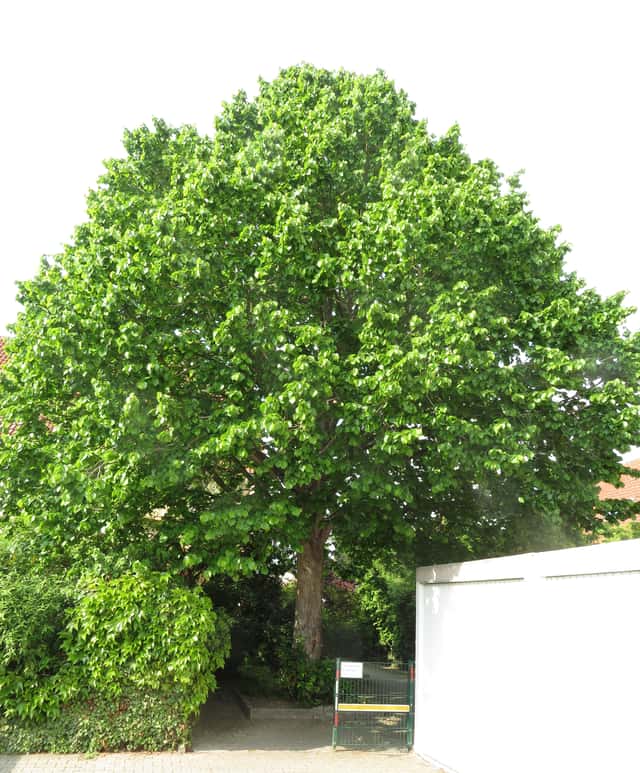
Common Hazel (Corylus avellana) is a deciduous shrub or small tree native to Europe and Western Asia, from the British Isles to the Caucasus and Turkey. It typically reaches a height of 3–6 meters with a broad, multi-stemmed growth habit, forming dense thickets and hedgerows. The leaves are round to oval with doubly serrated margins and a characteristic rough texture; in autumn, they turn golden yellow. The female flowers are remarkably discreet – only the bright red stigmas are visible from the closed buds – while the male catkins hang in long, yellowish-green clusters and are a sure sign of early spring. The hazel is one of the earliest spring shrubs in the Northern European landscape. It flowers as early as January to April, before the leaves emerge, and is pollinated exclusively by wind. Its fruits are the well-known hazelnuts, which ripen in clusters with a cup-shaped involucre in September–October. The nuts are rich in fat (up to 60%), protein, and vitamin E, and have been an important food source for humans in Europe since the Stone Age. Hazel grows at forest edges, in hedgerows, scrublands, and along watercourses, and is a key species for biodiversity: its early pollen is crucial for bees, and it hosts the larvae of over 70 butterfly and moth species. The shrub is extremely hardy and adaptable; it thrives in almost all soil types, from sandy soil to clay, and from sea level to the mountains. It spreads naturally via suckers and can be effectively rejuvenated by coppicing – a traditional management method that both extends the shrub's lifespan and produces flexible, pliable wood suitable for weaving (hazel rods). In Denmark, hazel is a characteristic element of oak forests and scrublands throughout the country.
How to Propagate Common Hazel?
Seed Propagation (nuts)
- 1 Harvest ripe hazelnuts in September–October, before they fall from the bush
- 2 Clean the nuts and store them cold and moist (cold stratification) for 3–4 months at 2–5 °C, e.g., in moist sand in the refrigerator
- 3 Plant the nuts individually 3–4 cm deep in pots with well-draining soil in February–March
- 4 Place the pot in a cool, bright room (10–15 °C) – germination occurs within 4–8 weeks
- 5 The plants can be transplanted outdoors after hardening off when they are 20–30 cm tall and the risk of frost is over
Layering (ground layering)
- 1 Choose a healthy, flexible branch from the current season's growth in spring
- 2 Bend the branch down to the soil surface and bury it 10–15 cm deep in a small trench
- 3 Secure the branch with a U-shaped peg or stone and cover with soil
- 4 Keep the soil consistently moist throughout the summer
- 5 After approximately 6 months (fall), root development is typically sufficient – sever the connection to the mother plant and transplant the young plant
Suckers
- 1 Identify vigorous suckers around the hazel bush in early spring or fall
- 2 Carefully dig down and expose the sucker's own root system
- 3 Sever the sucker from the mother plant with a clean, sharp spade or saw
- 4 Move the sucker directly to a prepared planting site and water thoroughly
How Big Does Common Hazel Grow?
TLDR: Common Hazel can reach up to 6.0m tall with Medium growth rate.
Max height
6.0m
Spread
4.5m
Growth rate
Medium
Foliage
Deciduous
Plant Uses
Ornamental
Great for decoration
Edible
Can be consumed
Medicinal
Medicinal properties
Medicinal Uses
- Bark and leaves have astringent properties and are used in herbal medicine against diarrhea and mild inflammation
- Extracts of leaves and bark have traditionally been used as a fever-reducing agent (febrifuge) and to promote sweating (diaphoretic)
- Nut oil has a mild but effective action against pinworms/threadworms in children when ingested in small doses
- The catkins (male flowers) contain flavonoids and have traditionally been used for skin rashes and as a blood purifier in European folk medicine
Culinary Uses
- Hazelnuts are eaten raw or roasted and are a classic snack as well as an ingredient in bread, cakes, cookies, and chocolate products (e.g., Nutella)
- Hazelnuts are ground into hazelnut flour or purees (praline paste) used in confectionery, ice cream, truffles, and desserts
- Cold-pressed hazelnut oil is used as salad oil and for baking – it has a mild, nutty flavor and is rich in monounsaturated fatty acids
- Young leaves can be eaten as a salad in early spring
- Hazelnuts can be blended with water to make plant-based hazelnut drink (milk alternative)
Is your plant showing symptoms?
Click on the symptom to discover possible causes:
What Diseases Commonly Affect Common Hazel?
TLDR: Common Hazel is susceptible to 7 known diseases. Monitor regularly for early detection.
Powdery Mildew
Powdery mildew is a common fungal disease caused by various fungi species including Erysiphe, Podosphaera, Oïdium, and Leveillula. It affects over 10,000 plant species worldwide. The disease thrives in warm, dry climates with high humidity and appears as a distinctive white powdery coating on plant surfaces.
Bacterial Blight
Bacterial blight is a serious plant disease caused by pathogenic bacteria that enters plants through wounds or natural openings. It spreads rapidly in warm, wet conditions and can cause significant damage to leaves, stems, and flowers. The bacteria are transmitted by water splash, contaminated tools, and insects.
Leaf Spot
Leaf spot is a common fungal disease caused by various pathogens including Alternaria, Ascochyta, Colletotrichum, Septoria, and Venturia. It primarily affects leaves, causing discolored spots that can lead to premature leaf drop if left untreated.
Crown Gall
Crown gall is a bacterial disease caused by Agrobacterium tumefaciens that affects over 140 species of plants. The bacteria insert DNA into plant cells, causing them to divide uncontrollably and form large tumor-like growths (galls) primarily on roots, stems, and at the soil line. These galls restrict water and nutrient flow, severely impacting plant health and potentially killing the plant.
Meaning & Symbolism
The hazel holds deep symbolic meaning in Celtic and Norse mythology as the tree of wisdom par excellence. In Irish tradition, nine hazel trees stood around the Well of Wisdom; their nuts granted divine insight and poetic inspiration (imbas) to those who ate them. Hazel sticks were – and are still – used as divining rods (dowsing rods) to find hidden water sources and treasures. In Norse tradition, hazel was associated with Thor and protection against lightning, and hazel stick fences were believed to ward off evil spirits. In Danish folk tradition, hazel is considered a lucky plant, and its early flowering heralds a good spring.
Compare with similar plants
| Attribute | Difficulty | Light | Watering | Pet Safe |
|---|---|---|---|---|
| Field Maple | Easy | Bright indirect | 14d | ✓ |
| Silver Birch | Easy | Direct sun | 14d | ✓ |
| Cushion Bush | Easy | Direct sun | 14d | ✓ |
| Peruvian peppertree | Easy | Direct sun | 14d | ⚠️ |
Choose & Compare
Sources & References
- PFAF - Plants For A Future: Corylus avellana
- Gardenia.net: European Hazelnut (Corylus avellana) Benefits, Challenges, Uses
- Practical Plants: Corylus avellana (Hazel)
- Bulb Society: Common Hazel Corylus avellana Care, Characteristics, Culture, Propagation
- NC State Extension Gardener Plant Toolbox: Corylus avellana
- PNW Pest Management Handbooks: Hazelnut Eastern Filbert Blight