Juglandaceae
English walnut: Edible Plant
Juglans regia
A sun-loving, large garden tree that thrives in deep, well-drained, and nutrient-rich soil. It is hardy, but late spring frosts can damage young shoots. Its roots and leaves secrete juglone, which inhibits the growth of many other plants, so maintain adequate distance from sensitive crops.
Every 14 days
Direct sun
-27° - 35°C
30% - 80%
Categories
What is English walnut?
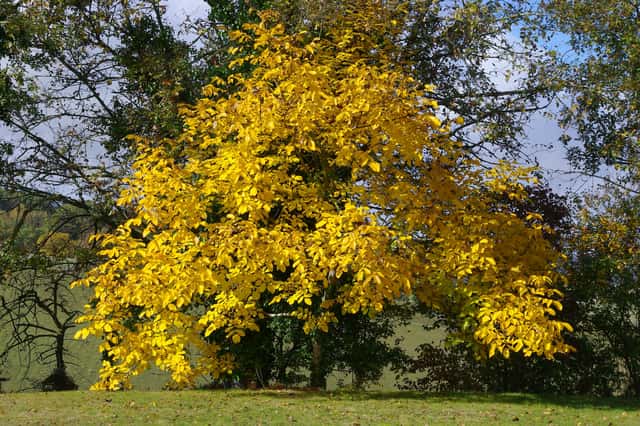
English walnut (Juglans regia) is a medium-care plant from the Juglandaceae family. The English walnut (Juglans regia) is a deciduous tree in the Juglandaceae family, growing up to 20–30 meters tall. Originally native from the Balkans to Central Asia, it is now cultivated worldwide for its delicious, oil-rich nuts and valuable timber. It is characterized by a wide, spreading crown...
English walnut grows up to 25.0m, spread of 2000cm, watering every 14 days, -27°C – 35°C, 30–80% humidity. It is not suitable for indoor environments and not safe for pets.
Without precautions, ingestion can cause irritation in pets. Keep out of reach of cats and dogs.
How to Care for English walnut?
TLDR: English walnut needs Direct sun, watering every 14 days, and temperatures between -27-35°C with 30-80% humidity.
How Often Should You Water English walnut?
Water young trees regularly and deeply during the first few years to develop a strong root system. Mature trees are drought-tolerant but benefit from watering during prolonged dry spells and nut ripening. Avoid waterlogging.
How Much Light Does English walnut Need?
Requires full sun; it develops poorly and produces fewer nuts in the shade. Plant in an open, sunny location with enough space for its spreading crown.
What Is the Best Soil for English walnut?
Prefers deep, loose, well-drained, nutrient-rich loamy soil. It poorly tolerates waterlogged, compacted, or shallow soils. A near-neutral pH (6–7.5) is ideal, but it can tolerate a range of 4.5–8.2.
What Pot Should You Use for English walnut?
A large, deep-rooted tree that is not suitable for long-term container growth. Plant in open ground in a spacious area; it can only be kept temporarily in deep containers during the sapling stage.
Care Schedule
Fertilize
Every 180 days
What Is English walnut and Where Does It Come From?
The English walnut (Juglans regia) is a deciduous tree in the Juglandaceae family, growing up to 20–30 meters tall. Originally native from the Balkans to Central Asia, it is now cultivated worldwide for its delicious, oil-rich nuts and valuable timber. It is characterized by a wide, spreading crown and fragrant, odd-pinnate leaves. In spring, its inconspicuous greenish flowers bloom in catkins and are wind-pollinated.
How to Propagate English walnut?
How Big Does English walnut Grow?
TLDR: English walnut can reach up to 25.0m tall with Medium growth rate.
Max height
25.0m
Spread
20.0m
Growth rate
Medium
Foliage
Deciduous
Warning: Toxic Plant
This plant can be toxic if ingested. Keep out of reach of:
Plant Uses
Ornamental
Great for decoration
Edible
Can be consumed
Medicinal
Medicinal properties
Medicinal Uses
- Leaves and green husks are traditionally used as a decoction for their astringent and skin-cleansing effects
- The high unsaturated fatty acid content of walnut kernels supports cardiovascular health
- In folk medicine, leaf tea was used for digestive complaints and skin problems
Culinary Uses
- Consumed raw or roasted as a snack
- An ingredient for pastries, cakes, and confectionery
- Cold-pressed walnut oil for flavoring salads and dishes
- Preparation of liqueurs (e.g., nocino) and preserves from unripe green walnuts
Is your plant showing symptoms?
Click on the symptom to discover possible causes:
What Diseases Commonly Affect English walnut?
TLDR: English walnut is susceptible to 13 known diseases. Monitor regularly for early detection.
Anthracnose
Anthracnose is a fungal disease caused by fungi in the genus Colletotrichum that affects many plants, including vegetables, fruits, and trees. The disease thrives in cool, wet conditions, causing dark, sunken lesions on leaves, stems, flowers, and fruits.
Bacterial Blight
Bacterial blight is a serious plant disease caused by pathogenic bacteria that enters plants through wounds or natural openings. It spreads rapidly in warm, wet conditions and can cause significant damage to leaves, stems, and flowers. The bacteria are transmitted by water splash, contaminated tools, and insects.
Crown Gall
Crown gall is a bacterial disease caused by Agrobacterium tumefaciens that affects over 140 species of plants. The bacteria insert DNA into plant cells, causing them to divide uncontrollably and form large tumor-like growths (galls) primarily on roots, stems, and at the soil line. These galls restrict water and nutrient flow, severely impacting plant health and potentially killing the plant.
Phytophthora Root Rot
Disease caused by fungus-like organisms (oomycetes) that live in soil and can survive for years. It affects roots, stem, and crown of plants, being especially severe in waterlogged or poorly drained soils. It is the second most common cause of root rot in trees and shrubs.
Meaning & Symbolism
The walnut is a symbol of wisdom, intellect, longevity, and fertility; in many cultures, it is revered as a tree of knowledge and abundance.
Compare with similar plants
| Attribute | Difficulty | Light | Watering | Pet Safe |
|---|---|---|---|---|
| Azalea | Medium | Partial shade | 3d | ⚠️ |
| Wild Lettuce | Medium | Direct sun | 7d | ⚠️ |
| Cape Primrose | Medium | Partial shade | 7d | ✓ |
| Honey Locust | Medium | Direct sun | 14d | ✓ |