Pinaceae
Nordmann fir: Pet-Safe Plant
Abies nordmanniana
The Nordmann fir is a robust, frost-resistant conifer that requires little maintenance once established. Plant it in an open, sunny to lightly shaded location in moist, well-drained soil. Pruning should be avoided as much as possible. Fertilize once a year in the spring with a specialized conifer fertilizer. The tree is not suitable for small gardens due to its ultimate size.
Every 10 days
Bright indirect
-30° - 25°C
50% - 80%
Categories
What is Nordmann fir?
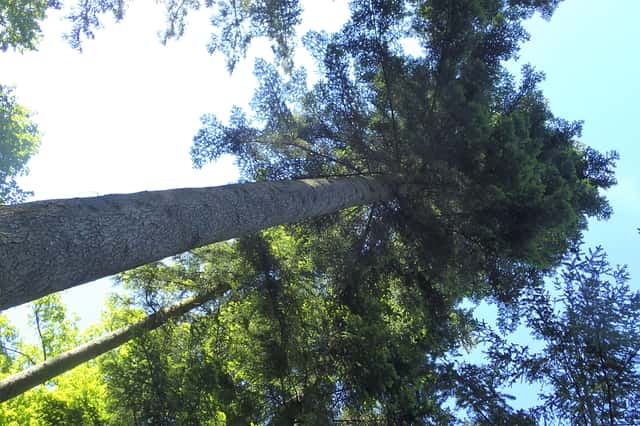
Nordmann fir (Abies nordmanniana) is a medium-care plant from the Pinaceae family. The Nordmann fir (Abies nordmanniana) is a large, majestic conifer native to the mountain forests of the Caucasus, northeastern Turkey, and Georgia. The tree has a graceful, broad pyramidal crown with horizontally spreading branches that grow in tiers. The glossy, dark green needles are soft and non...
Nordmann fir grows up to 15.0m, spread of 600cm, watering every 10 days, -30°C – 25°C, 50–80% humidity. It is not suitable for indoor environments and safe for pets.
Unlike many popular species, Nordmann fir is safe to keep around pets.
How to Care for Nordmann fir?
TLDR: Nordmann fir needs Bright indirect, watering every 10 days, and temperatures between -30-25°C with 50-80% humidity.
How Often Should You Water Nordmann fir?
Water young Nordmann firs regularly during the first few years after planting, especially during dry spells. Keep the soil consistently moist but avoid waterlogging. Once well-rooted, the tree is relatively drought-tolerant, although thorough watering during prolonged dry periods is beneficial. As an indoor Christmas tree: saw a small section off the base of the trunk and refill the stand daily with water.
How Much Light Does Nordmann fir Need?
The Nordmann fir grows best in a sunny to lightly shaded location with at least six hours of direct sunlight per day. Young specimens tolerate more shade, but full sun is ideal for beautiful, compact growth. Avoid locations with intense afternoon sun on very heavy, dry soil.
What Is the Best Soil for Nordmann fir?
Plant the Nordmann fir in fertile, slightly acidic to neutral, moist but well-drained soil (pH 5.5–7.0). Loamy soil or light clay works well. Amend the soil at planting with compost or well-rotted organic matter. The tree does not tolerate prolonged wet or highly alkaline soils.
What Pot Should You Use for Nordmann fir?
The Nordmann fir is an outdoor tree and is not suitable as a long-term houseplant. As a temporary Christmas tree, it can be placed in a stable, water-holding Christmas tree stand in a cool, bright spot for several weeks. For sustainable growth, outdoor cultivation in the ground is required due to its ultimate size.
Care Schedule
Fertilize
Every 365 days
What Is Nordmann fir and Where Does It Come From?
The Nordmann fir (Abies nordmanniana) is a large, majestic conifer native to the mountain forests of the Caucasus, northeastern Turkey, and Georgia. The tree has a graceful, broad pyramidal crown with horizontally spreading branches that grow in tiers. The glossy, dark green needles are soft and non-prickly, featuring two prominent white stripes on the underside. In the wild, the Nordmann fir can reach heights of up to 50 meters; in gardens and parks, it typically reaches a height of 9 to 15 meters. The tree is best known as a Christmas tree because its needles are very slow to drop.
How to Propagate Nordmann fir?
How Big Does Nordmann fir Grow?
TLDR: Nordmann fir can reach up to 15.0m tall with Slow growth rate.
Max height
15.0m
Spread
6.0m
Growth rate
Slow
Foliage
Evergreen
Plant Uses
Ornamental
Great for decoration
Is your plant showing symptoms?
Click on the symptom to discover possible causes:
What Diseases Commonly Affect Nordmann fir?
TLDR: Nordmann fir is susceptible to 8 known diseases. Monitor regularly for early detection.
Root Rot
Root rot is a serious fungal disease that affects the root system of plants, causing them to decay and die. It is primarily caused by overwatering, poor drainage, or soil-borne fungi such as Pythium, Phytophthora, Rhizoctonia, and Fusarium. The disease thrives in waterlogged conditions where roots are deprived of oxygen, making them susceptible to fungal infection.
Phytophthora Root Rot
Disease caused by fungus-like organisms (oomycetes) that live in soil and can survive for years. It affects roots, stem, and crown of plants, being especially severe in waterlogged or poorly drained soils. It is the second most common cause of root rot in trees and shrubs.
Canker
Canker is a disease caused by various fungi and bacteria that create necrotic, sunken areas on bark of branches, stems, and trunks. Pathogens enter through wounds and natural openings, especially when plants are stressed. Canker can gradually weaken or kill branches by disrupting water and nutrient flow.
Rust
Rust is a common fungal disease caused by fungi in the order Pucciniales that affects a wide variety of plants. The disease gets its name from the characteristic orange, yellow, or reddish-brown pustules that appear on leaves, resembling metal rust. This obligate fungal parasite requires living plants to survive and can cause significant economic losses in agricultural crops.
Meaning & Symbolism
In Europe, the Nordmann fir is the preeminent symbol of Christmas and family togetherness. Its perfect pyramidal shape, soft needles, and sturdy branches make it the most popular Christmas tree. In its native Caucasus, the fir is considered a symbol of eternity, resilience, and invulnerability due to its evergreen nature and impressive lifespan.
Compare with similar plants
| Attribute | Difficulty | Light | Watering | Pet Safe |
|---|---|---|---|---|
| Azalea | Medium | Partial shade | 3d | ⚠️ |
| Wild Lettuce | Medium | Direct sun | 7d | ⚠️ |
| Cape Primrose | Medium | Partial shade | 7d | ✓ |
| Honey Locust | Medium | Direct sun | 14d | ✓ |