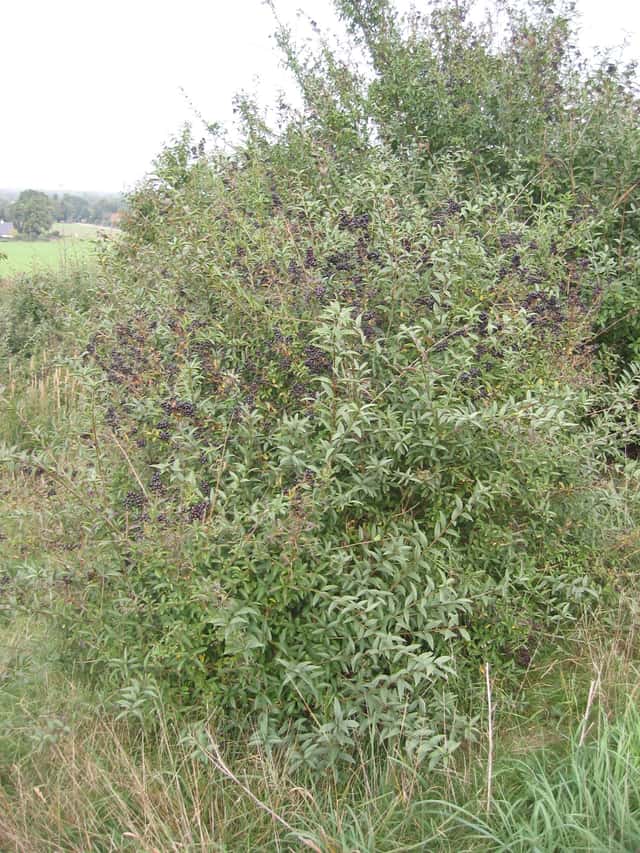
Oleaceae
Common Privet (Ligustrum vulgare)
Ligustrum vulgare
Grow common privet in full sun to part shade in well-draining soil. Water regularly while establishing, then only during prolonged dry spells since it becomes fairly drought tolerant. Prune once or twice a year to maintain hedge shape. Keep pets and children away from the toxic berries.
Every 7 days
Bright indirect
-20° - 35°C
40% - 70%
Categories
What is Common Privet?
Common Privet (Ligustrum vulgare) is a easy-care plant from the Oleaceae family. Common privet (Ligustrum vulgare) is a semi-evergreen to deciduous shrub native to Europe, North Africa, and parts of western Asia. Long prized as a hedging plant, it produces small, dense, dark-green leaves and clusters of small white flowers in late spring to summer, followed by black berries in a...
Common Privet grows up to 4.0m, spread of 300cm, watering every 7 days, -20°C – 35°C, 40–70% humidity. It is not suitable for indoor environments and not safe for pets.
Unlike many tropical plants, Common Privet tolerates watering mistakes. Best for beginners. Without precautions, ingestion can cause irritation in pets. Keep out of reach of cats and dogs.
How to Care for Common Privet?
TLDR: Common Privet needs Bright indirect, watering every 7 days, and temperatures between -20-35°C with 40-70% humidity.
How Often Should You Water Common Privet?
Water weekly during the first growing season to establish roots; afterwards only during extended dry periods, as it dislikes waterlogged soil.
How Much Light Does Common Privet Need?
Thrives in full sun for the best flowering and fruiting, but tolerates partial shade and even light woodland conditions.
What Is the Best Soil for Common Privet?
Adapts to most well-draining soils, including clay and chalky ground; avoid waterlogged or heavily compacted sites.
What Pot Should You Use for Common Privet?
Not typically grown in pots; if containerized, use a large, sturdy pot with good drainage holes
Care Schedule
Fertilize
Every 60 days
What Is Common Privet and Where Does It Come From?
Common privet (Ligustrum vulgare) is a semi-evergreen to deciduous shrub native to Europe, North Africa, and parts of western Asia. Long prized as a hedging plant, it produces small, dense, dark-green leaves and clusters of small white flowers in late spring to summer, followed by black berries in autumn. It tolerates heavy pruning, a wide range of soils, and both sun and partial shade, making it a resilient choice for garden borders and privacy screens. Note that all parts, especially the berries, are toxic if ingested.
How to Propagate Common Privet?
Semi-hardwood stem cutting
Keep the soil consistently moist but not soggy, and cover with a plastic bag to retain humidity until new growth appears.
- 1 Cut a 10-15cm semi-hardwood shoot below a leaf node in mid to late summer
- 2 Remove lower leaves and dip the cut end in rooting hormone
- 3 Insert into a pot of moist, well-draining potting mix
- 4 Keep in a warm, sheltered spot with indirect light until roots form
Materials needed:
How Big Does Common Privet Grow?
TLDR: Common Privet can reach up to 4.0m tall with Medium growth rate.
Max height
4.0m
Spread
3.0m
Growth rate
Medium
Foliage
Semi-evergreen
Warning: Toxic Plant
This plant can be toxic if ingested. Keep out of reach of:
Plant Uses
Ornamental
Great for decoration
Ground Cover
Soil coverage
Is your plant showing symptoms?
Click on the symptom to discover possible causes:
What Diseases Commonly Affect Common Privet?
TLDR: Common Privet is susceptible to 4 known diseases. Monitor regularly for early detection.
Anthracnose
Anthracnose is a fungal disease caused by fungi in the genus Colletotrichum that affects many plants, including vegetables, fruits, and trees. The disease thrives in cool, wet conditions, causing dark, sunken lesions on leaves, stems, flowers, and fruits.
Canker
Canker is a disease caused by various fungi and bacteria that create necrotic, sunken areas on bark of branches, stems, and trunks. Pathogens enter through wounds and natural openings, especially when plants are stressed. Canker can gradually weaken or kill branches by disrupting water and nutrient flow.
Powdery Mildew
Powdery mildew is a common fungal disease caused by various fungi species including Erysiphe, Podosphaera, Oïdium, and Leveillula. It affects over 10,000 plant species worldwide. The disease thrives in warm, dry climates with high humidity and appears as a distinctive white powdery coating on plant surfaces.
Root Rot
Root rot is a serious fungal disease that affects the root system of plants, causing them to decay and die. It is primarily caused by overwatering, poor drainage, or soil-borne fungi such as Pythium, Phytophthora, Rhizoctonia, and Fusarium. The disease thrives in waterlogged conditions where roots are deprived of oxygen, making them susceptible to fungal infection.
Meaning & Symbolism
Symbol of privacy, protection, and resilience; long used in European hedgerows to mark boundaries and offer enduring shelter.
Fun Facts
Common privet can grow up to several meters tall in the wild if left unpruned as a hedge
Its small white flowers have a strong scent that some find pleasant and others overpowering
The black berries persist into winter and are an important food source for birds despite being toxic to humans and pets
Frequently asked questions
Is common privet toxic to pets?
How much sun does common privet need?
How often should I water common privet?
What diseases affect common privet?
Compare with similar plants
| Attribute | Difficulty | Light | Watering | Pet Safe |
|---|---|---|---|---|
| Field Maple | Easy | Bright indirect | 14d | ✓ |
| Silver Birch | Easy | Direct sun | 14d | ✓ |
| Cushion Bush | Easy | Direct sun | 14d | ✓ |
| Peruvian peppertree | Easy | Direct sun | 14d | ⚠️ |





